Why Stratford Drive matters.
Stratford Drive is a graceful corridor where Zilker's outdoor culture, riverfront landscapes, architectural distinction, and environmental stewardship create one of Austin's most memorable park-edge thoroughfares.
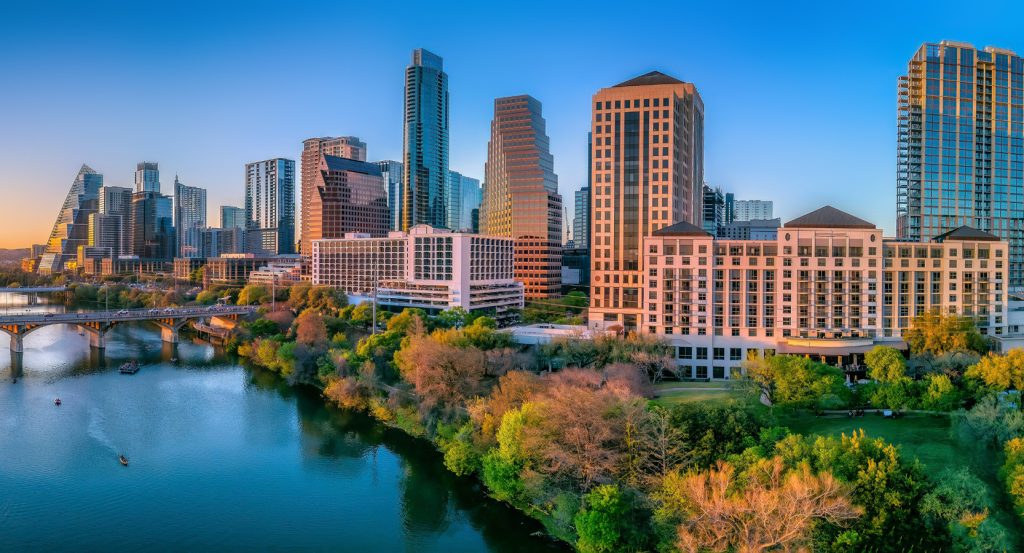
Running through Zilker between Barton Springs Road and Lake Austin Boulevard, the roadway connects celebrated parkland, cultural institutions, recreational facilities, and the Colorado River corridor that define Austin's outdoor identity. Each successive stretch reveals mature pecan groves, limestone embankments, skyline vistas, cycling routes, and expansive parkland that reinforce the drive's unmistakable character. The defining moment arrives as Stratford Drive demonstrates how recreation, conservation, and thoughtful civic investment continue shaping one of Central Austin's defining corridors. The result is an experience defined by natural beauty, cultural vitality, and one of Zilker's most rewarding streets.
What defines Stratford Drive.
Stratford Drive is best known for bordering Zilker Metropolitan Park, a public landscape encompassing 351 acres that originated through land donations from Andrew Jackson Zilker in 1917 and evolved into Austin's premier recreational destination through decades of civic investment. The roadway provides direct access to the Ann and Roy Butler Hike-and-Bike Trail, a 10-mile urban trail encircling Lady Bird Lake, while also connecting nearby Barton Springs Pool, whose spring-fed waters maintain an average temperature of 68-70°F (20-21°C) throughout the year. Surrounding landscapes incorporate limestone retaining walls, native plantings, pedestrian pathways, cycling infrastructure, and recreational amenities developed alongside the Colorado River after completion of the Tom Miller Dam in 1940, which created modern Lady Bird Lake's predecessor before the reservoir was renamed in 2007. Nearby recreational and cultural resources include the Zilker Botanical Garden, established in 1955, the Austin Nature and Science Center, founded in 1960, and the Umlauf Sculpture Garden & Museum, opened in 1991, creating one of Austin's densest concentrations of environmental and cultural institutions. Native live oak, bald cypress, pecan, cedar elm, Mexican sycamore, inland sea oats, and prairie grasses reinforce the corridor's ecological character while supporting riparian habitat along the Colorado River. Collectively, the corridor's civic history, engineering legacy, recreational infrastructure, environmental stewardship, and cultural institutions establish Stratford Drive as one of Austin's defining park corridors.
Bordering the roadway, the Austin High Bridge, completed in 1939, carries Lake Austin Boulevard across the Union Pacific Railroad while providing one of the city's most recognizable approaches into the park district. Nearby, Deep Eddy Pool, first opened in 1915 and acquired by the City of Austin in 1936, remains Texas's oldest continuously operating swimming pool through its spring-fed waters, limestone setting, and enduring recreational traditions. The nearby Austin Rowing Club, founded in 1982, expanded public access to rowing, paddling, and competitive water sports while strengthening Austin's longstanding relationship with Lady Bird Lake. Together, these transportation structures, historic recreational facilities, and community organizations demonstrate how Stratford Drive reflects a corridor where engineering, recreation, and civic character continue reinforcing one another.
How Stratford Drive fits.
Stratford Drive works as an exploration of Austin's riverfront landscapes, outdoor recreation, and cultural heritage.
Begin at Barton Springs Pool, where spring-fed waters, limestone surroundings, and generations of local tradition establish the natural character surrounding Stratford Drive while introducing Austin's most celebrated outdoor gathering place. Continue to Zilker Botanical Garden, where themed collections, shaded pathways, and internationally inspired garden design deepen the experience before guiding the journey toward its historical conclusion. Conclude at Umlauf Sculpture Garden & Museum, where Charles Umlauf's sculptures and thoughtfully integrated landscapes provide the historical payoff by illustrating Austin's longstanding commitment to public art and cultural preservation. The progression moves naturally from Austin's defining natural landmark to cultivated landscapes before culminating in one of the city's most significant artistic institutions.
Where your story begins.
Foresyte Travel reveals places that feel extraordinary long before you arrive.
Enjoy editorial crafted for luxury travelers.
Foresyte may earn a commission when you book.