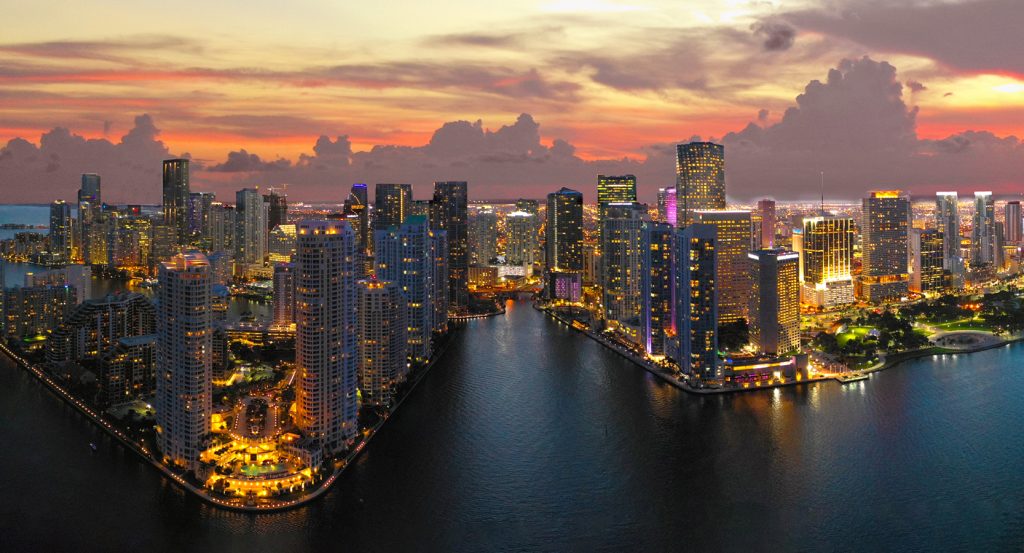
Why you should experience 162nd Avenue in Miami, Florida.
162nd Avenue is an expansive corridor where West Kendall's planned communities, agricultural legacy, environmental stewardship, and suburban growth converge along one of western Miami-Dade County's defining north-south routes.
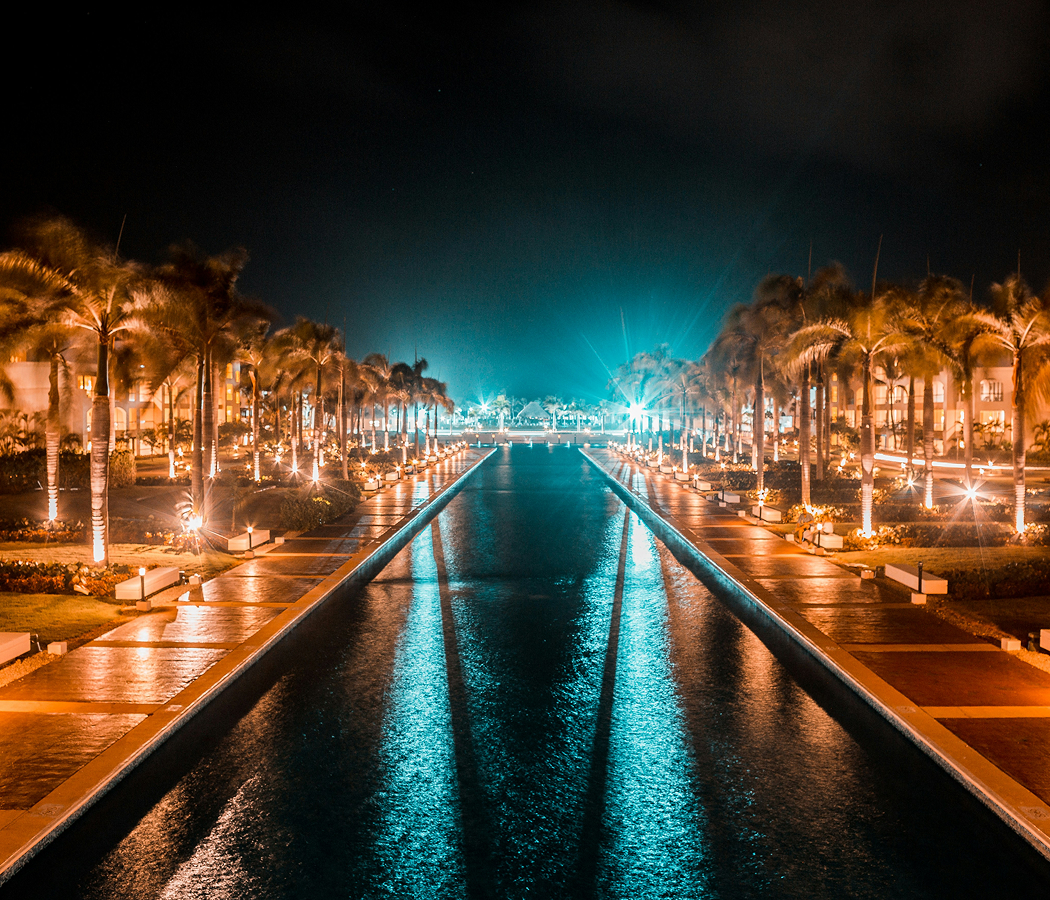
Running through West Kendall between Richmond West and The Hammocks, the corridor connects established residential communities, neighborhood parks, conservation lands, schools, commercial centers, and agricultural landscapes that collectively demonstrate the western edge of Miami's continuing urban evolution. Broad landscaped medians, royal palms, native hardwoods, neighborhood green spaces, and generous setbacks create a streetscape where suburban development remains closely connected to the surrounding natural environment. Throughout the corridor, thoughtful planning, expanding community infrastructure, and preserved open space reinforce a setting shaped by both long-established farming traditions and modern residential growth. The result is an experience defined by spacious landscapes, environmental continuity, and one of western Miami-Dade County's most important suburban corridors.
What you should know about 162nd Avenue.
162nd Avenue is best known for following the alignment of Southwest 162nd Avenue, a major north-south arterial developed as western Miami-Dade County expanded rapidly during the late twentieth century, providing critical connections between emerging suburban communities and the county's agricultural interior. The corridor borders portions of the historic Redland agricultural region, whose limestone soils have supported commercial cultivation of tropical fruit, ornamental nurseries, vegetables, and avocado groves for generations, while nearby The Hammocks emerged during the 1970s as one of Miami-Dade County's largest master-planned communities centered around interconnected lakes, greenways, and recreational open space. West of the corridor, the Everglades Protection Area and the Biscayne Aquifer continue influencing land use, water management, and environmental planning throughout the region, while royal palms, live oaks, slash pines, gumbo limbo, great egrets, red-shouldered hawks, burrowing owls, and gopher tortoises contribute to the corridor's ecological character.
Extensive canal networks managed by the South Florida Water Management District regulate water movement between western conservation lands and expanding suburban communities, reinforcing the corridor's longstanding relationship with one of the nation's most complex hydrological systems. Agricultural enterprises surrounding the corridor continue producing tropical fruit, ornamental plants, and nursery stock that supply regional and international markets, extending an economic tradition established long before surrounding suburban neighborhoods were developed. Growing employment centers, healthcare providers, professional offices, and locally owned businesses have broadened the corridor's economic profile while remaining closely connected to the surrounding agricultural and residential landscape. Together, these environmental systems, agricultural industries, and expanding commercial enterprises demonstrate how 162nd Avenue continues expressing western Miami-Dade County's enduring balance between conservation, cultivation, and community growth.
How to fold 162nd Avenue into your trip.
162nd Avenue works as an exploration of western Miami-Dade County's natural landscapes, agricultural traditions, and outdoor recreation.
Begin at Kendale Lakes Park, where shaded walking paths, athletic facilities, mature tree canopies, and open green space introduce the recreational character that defines many of West Kendall's planned communities. Continue to Larry and Penny Thompson Memorial Park, where one of Miami-Dade County's largest public parks combines freshwater lakes, native vegetation, campgrounds, and extensive recreational amenities within a preserved natural setting. Conclude at Zoo Miami, where expansive open-air exhibits featuring wildlife from around the world provide the historical culmination by illustrating the region's longstanding relationship with subtropical ecology and environmental education. The progression moves naturally from neighborhood green space through preserved parkland before concluding with one of Florida's foremost zoological institutions, revealing why 162nd Avenue remains closely connected to the natural character of western Miami-Dade County.
Where your story begins.
Foresyte Travel reveals places that feel extraordinary long before you arrive.
Experience premium editorial crafted for luxury travelers.