Why 32nd Street matters.
32nd Street is a refined corridor where Camelback East's desert landscapes, architectural distinction, neighborhood vitality, and enduring cultural character create one of East Phoenix's most engaging streets.
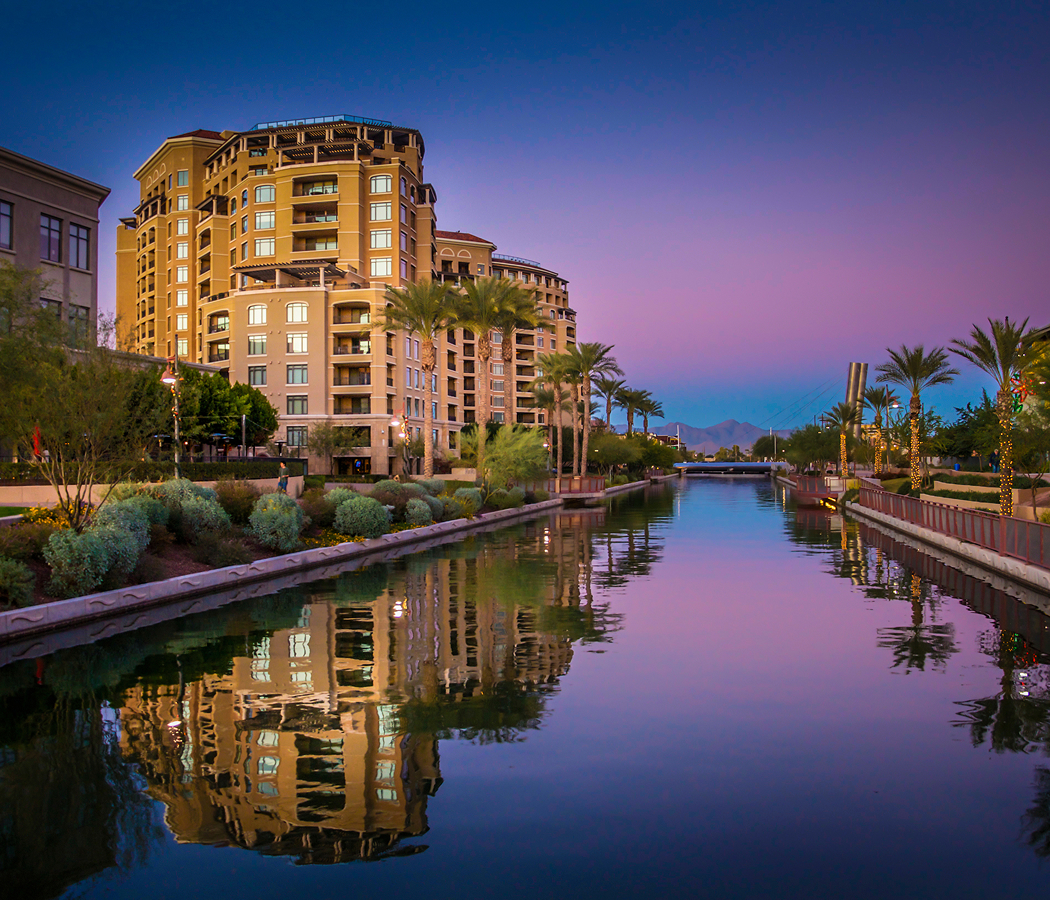
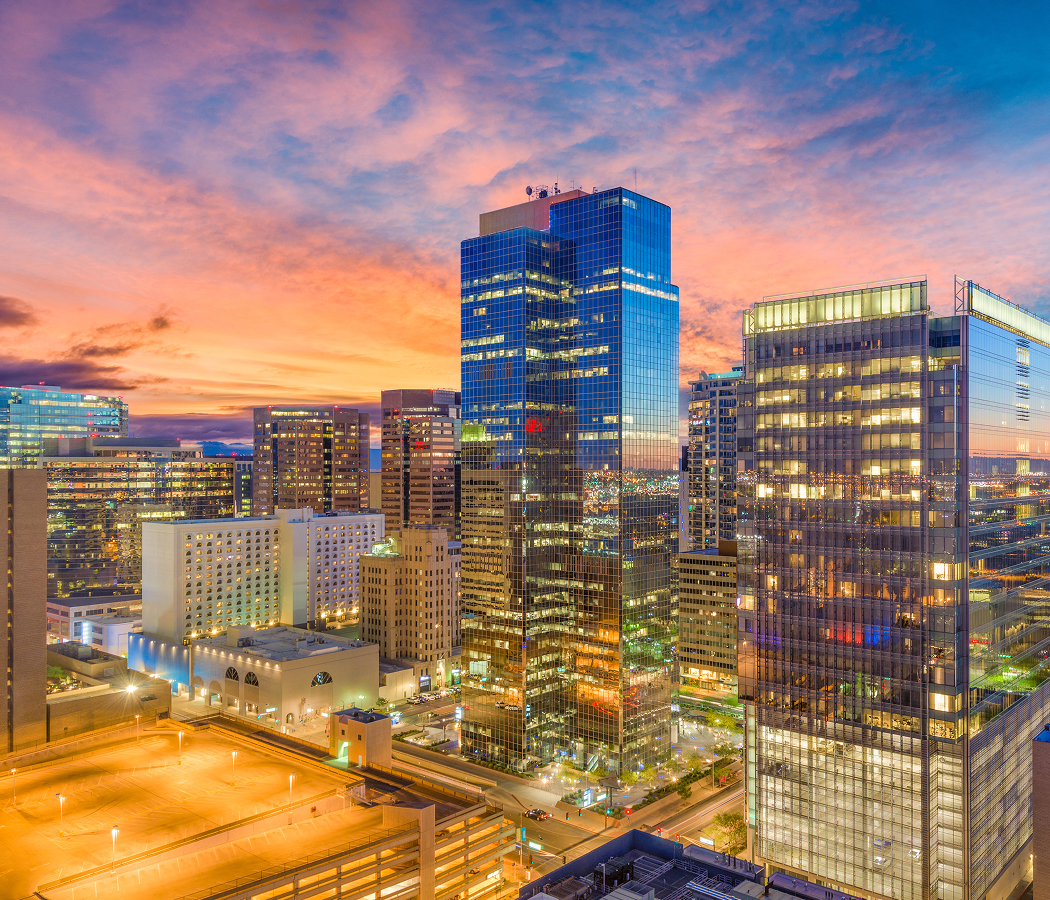
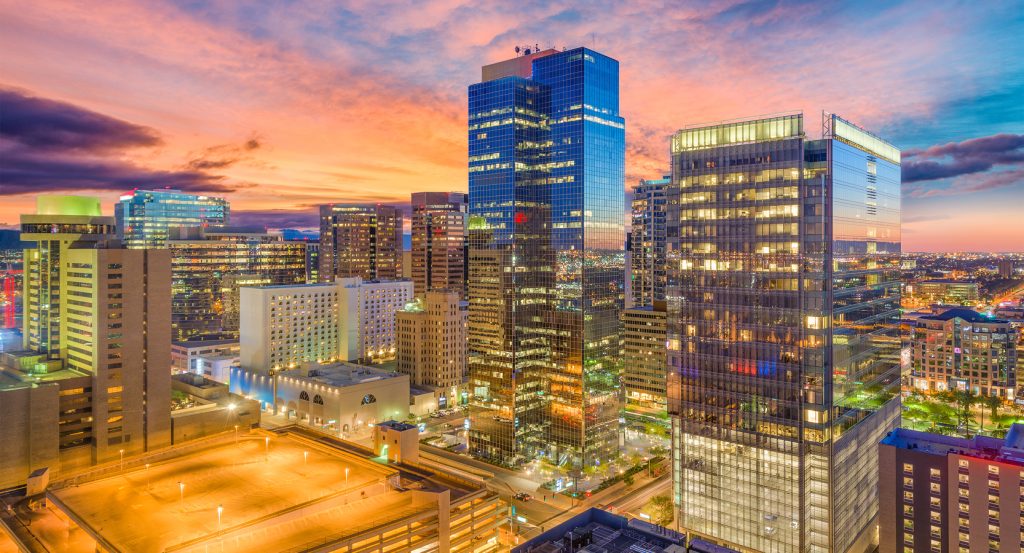
Running through Camelback East between Arcadia and the Biltmore area, the street connects established neighborhoods, destination resorts, hiking preserves, neighborhood businesses, and employment centers that reflect decades of thoughtful growth across East Phoenix. Each successive stretch reveals mature desert landscaping, broad residential avenues, mountain vistas, contemporary commercial destinations, and shaded streetscapes that reinforce the corridor's unmistakable identity. The defining moment arrives as 32nd Street demonstrates how natural beauty, architectural continuity, and sustained reinvestment continue shaping one of East Phoenix's defining corridors. The result is an experience defined by scenic character, neighborhood sophistication, and one of Camelback East's most rewarding streets.
What you should know 32nd Street.
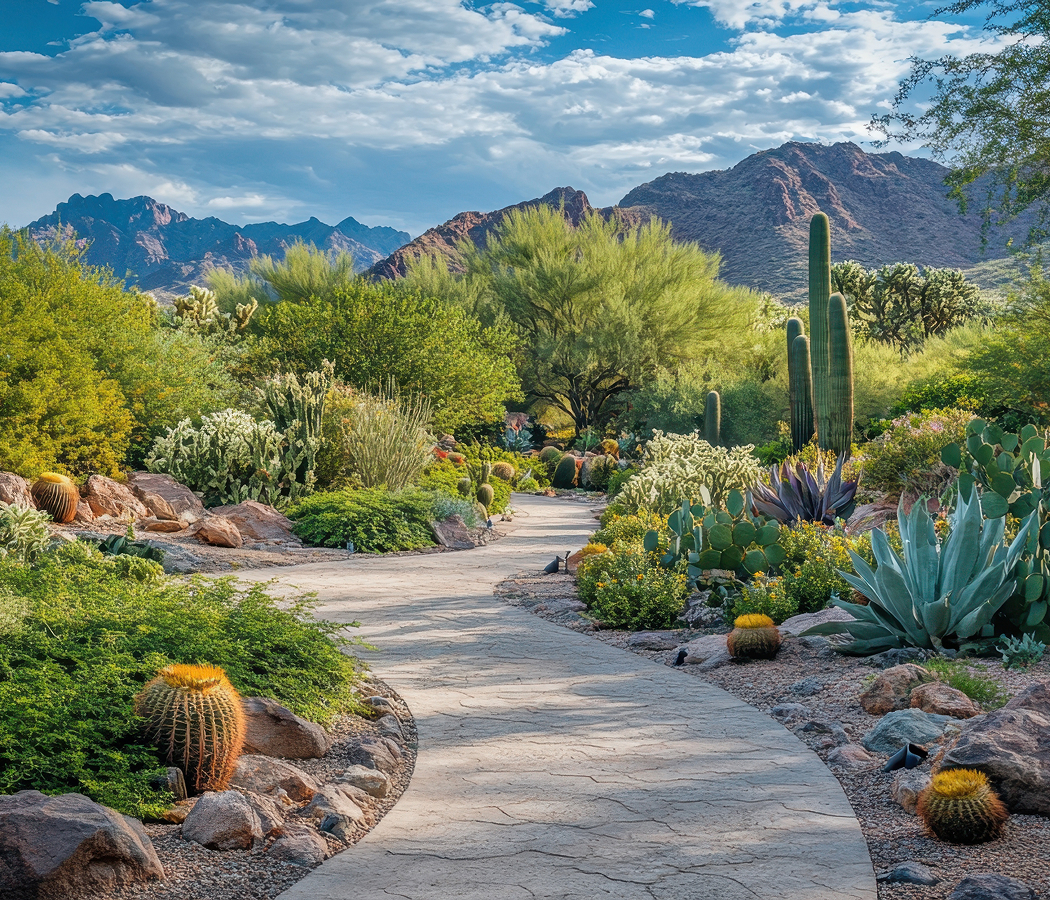
32nd Street is best known for linking the residential districts of Camelback East, an area shaped by postwar expansion, proximity to the Phoenix Mountains, and steady commercial investment throughout the mid-twentieth century. Residential and commercial development introduced Ranch, Mid-Century Modern, Contemporary, and custom-designed buildings distinguished by painted brick, native stone, exposed timber beams, structural steel, curtain wall glazing, low-pitched rooflines, irrigated landscaping, and desert-adapted planting that continue defining the corridor's architectural identity. The street evolved alongside neighborhood shopping centers, professional offices, hospitality properties, and recreational destinations while preserving prominent views toward Piestewa Peak and the surrounding mountain preserves that distinguish Camelback East from much of metropolitan Phoenix. Blue palo verde, mesquite, desert willow, saguaro, agave, and red yucca reinforce the avenue's relationship with the Sonoran Desert while softening the surrounding urban landscape. Continued reinvestment has modernized commercial properties, expanded neighborhood services, strengthened pedestrian amenities, and maintained 32nd Street as one of East Phoenix's principal neighborhood corridors. Collectively, the corridor's residential origins, architectural diversity, desert setting, and sustained investment established 32nd Street as one of Camelback East's defining thoroughfares.
Adjacent to the corridor, the Arizona Biltmore, which opened in 1929, introduced one of Arizona's most celebrated resort properties through its geometric design, ornamental concrete textile blocks, and enduring association with luxury hospitality in the Sonoran Desert. Nearby, the Phoenix Mountains Preserve, formally established during the 1970s, permanently protected thousands of acres of desert habitat while preserving hiking trails, native vegetation, and panoramic ridgelines surrounding 32nd Street. The nearby Biltmore Fashion Park, opened in 1963, became one of metropolitan Phoenix's earliest upscale open-air shopping centers, reinforcing the corridor's longstanding relationship with retail, hospitality, and commercial innovation. Together, these hospitality destinations, protected desert landscapes, and commercial institutions demonstrate how 32nd Street reflects a Camelback East environment where preservation, architectural excellence, and economic vitality continue complementing one another.
How 32nd Street fits.
32nd Street works as an exploration of Camelback East's desert landscapes, refined hospitality, and architectural heritage.
Begin at Piestewa Peak, where celebrated hiking trails and panoramic desert vistas establish the natural landscape surrounding 32nd Street while introducing the geological character that defines Camelback East. Continue to Wrigley Mansion, where remarkable architecture and sweeping views deepen appreciation for the area's historic residential prestige before guiding the experience toward its historical conclusion. Conclude at Heard Museum, where internationally recognized collections provide the historical payoff by illustrating the Indigenous cultures whose history long predates modern Phoenix. The progression moves naturally from dramatic desert scenery to architectural heritage before culminating in one of Arizona's most significant cultural institutions.
Where your story begins.
Foresyte Travel reveals places that feel extraordinary long before you arrive.
Enjoy editorial crafted for luxury travelers.
Foresyte may earn a commission when you book.