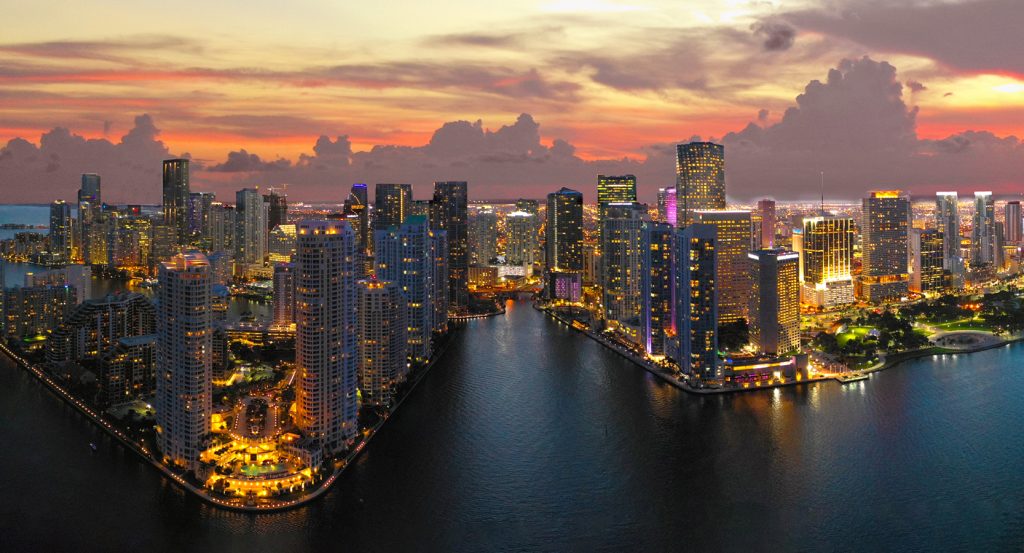
Why you should experience 5th Avenue in Miami, Florida.
5th Avenue is a peaceful corridor where Overtown's enduring heritage, neighborhood resilience, civic traditions, and evolving streetscape reflect one of Miami's most historically significant communities.
Running through Overtown between Northwest 7th Avenue and Interstate 95, the corridor connects established residential blocks, churches, neighborhood businesses, schools, and community institutions that continue illustrating the neighborhood's pivotal role in Miami's social and cultural development. Mature live oaks, royal palms, neighborhood parks, historic masonry buildings, and long-established homes create a streetscape where generations of civic leadership, entrepreneurship, and community advocacy remain deeply rooted. Throughout the corridor, family-operated businesses, nonprofit organizations, and active public spaces reinforce an environment shaped by cultural continuity, neighborhood stewardship, and lasting historical significance. The result is an experience defined by resilience, architectural character, and one of Central Miami's most enduring urban corridors.
What you should know about 5th Avenue.
5th Avenue is best known for traversing Overtown, a neighborhood established during Miami's early twentieth-century expansion that became the city's principal African American community under the segregation policies that shaped much of Florida's urban development. The corridor developed across former pine rocklands and agricultural tracts as Miami's expanding street grid introduced masonry residences, wood-frame homes, churches, schools, neighborhood businesses, and civic institutions serving a rapidly growing population. Residential construction incorporated reinforced concrete block, decorative stucco façades, clay barrel roof tiles, terrazzo entrances, covered porches, jalousie windows, and climate-responsive architectural details that remain characteristic of the surrounding streetscape. Construction of Interstate 95, the Dolphin Expressway, nearby rail infrastructure, municipal drainage improvements, and an expanding arterial street network dramatically altered portions of Overtown while simultaneously redefining transportation patterns and redevelopment opportunities across the neighborhood. Royal palms, live oaks, gumbo limbo, sabal palms, white ibis, northern mockingbirds, zebra longwing butterflies, and native pollinator species continue contributing to the corridor's subtropical landscape despite extensive urbanization.
Historic Black-owned banks, insurance companies, physicians' offices, legal practices, and professional organizations established Overtown as one of South Florida's most important centers of African American economic development during the twentieth century. Community redevelopment corporations, neighborhood associations, affordable housing initiatives, and streetscape improvement projects have supported ongoing reinvestment while preserving the district's historical character and residential character. Longstanding barber shops, beauty salons, neighborhood grocers, bakeries, professional offices, and family-operated restaurants continue reflecting generations of local entrepreneurship that sustain community life while reinforcing Overtown's enduring economic traditions. Together, these professional institutions, redevelopment initiatives, and longstanding businesses demonstrate how 5th Avenue reflects the historical evolution and lasting civic character of Overtown.
How to fold 5th Avenue into your trip.
5th Avenue works as an exploration of Overtown's cultural legacy, artistic expression, and African American history.
Begin at Black Archives Historic Lyric Theater, where restored performance spaces and interpretive exhibitions introduce the neighborhood's remarkable legacy of music, theater, and community leadership while establishing historical context for the surrounding streets. Continue to Greater Bethel AME Church, where one of Miami's oldest African Methodist Episcopal congregations demonstrates the enduring role of faith, education, and civic leadership in shaping Overtown across generations. Conclude at D.A. Dorsey House, where the preserved residence of one of Miami's most influential Black entrepreneurs provides the historical payoff by connecting the neighborhood's development with its tradition of business leadership, philanthropy, and community building. The progression moves from cultural expression through civic leadership before culminating in entrepreneurial history, revealing how 5th Avenue connects Overtown's artistic, spiritual, and economic legacy.
Where your story begins.
Foresyte Travel reveals places that feel extraordinary long before you arrive.
Experience premium editorial crafted for luxury travelers.