
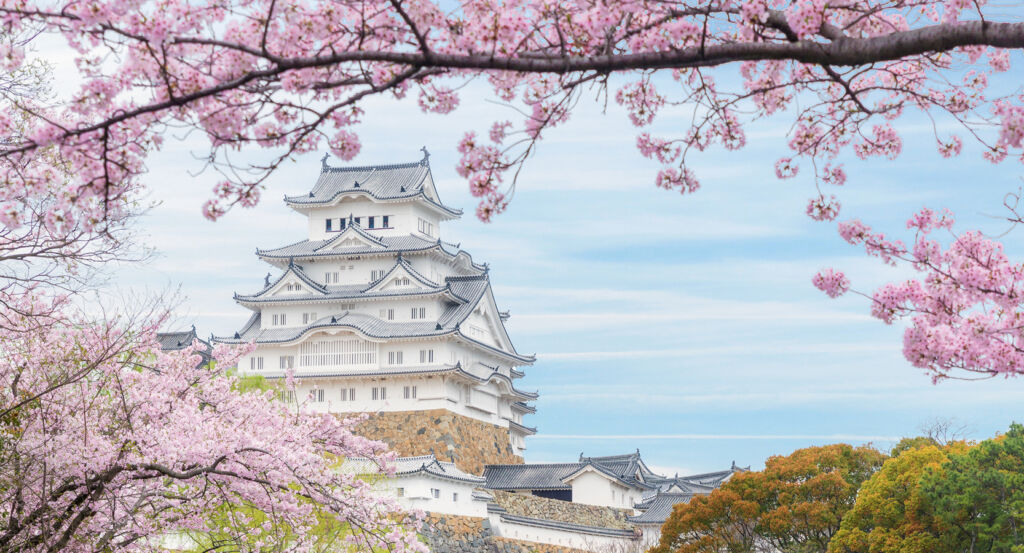
Why you should experience EXES in Okinawa, Japan.
EXES is a refined resort stay that is defined by intentional privacy and elevated restraint, offering a controlled, low-density experience where Okinawa's coastline becomes a backdrop for calm.
Set away from the mass-market resort corridors, EXES occupies a quieter stretch of Okinawa where space, silence, and pacing are treated as luxuries in their own right. Arrival immediately signals separation from conventional resort energy. There is no crowd choreography, no performative welcome, no sense of being absorbed into a system designed for volume. Instead, the transition from exterior to interior feels deliberate and measured. The architecture communicates composure through scale rather than grandeur, favoring horizontal openness, clean lines, and visual breathing room. Public spaces are calm and uncrowded, designed to disperse guests. Seating is intentional and spaced, circulation is intuitive, and nothing competes for attention. The environment does not ask you to engage; it allows you to arrive at your own pace. Guest rooms reinforce this philosophy with layouts that feel quietly expansive. Space is allocated for movement and rest. Beds are substantial and deeply comfortable, positioned to support sleep quality. Furnishings are elegant but restrained, chosen for tactile comfort and longevity. Windows and terraces frame Okinawa's natural surroundings in a way that feels observational rather than immersive, allowing the landscape to remain present without dominating the interior. Bathrooms emphasize routine and ritual, offering generous layouts that support unhurried transitions between day and night. Across the property, the experience feels composed, private, and intentionally paced. EXES is ideal for travelers who want Okinawa to feel exclusive without being theatrical, a destination encountered through quiet continuity rather than constant stimulation.
What you should know about EXES.
EXES is best known for low-density hospitality and spatial discretion, a philosophy that treats absence, of noise, of crowds, of excess programming, as a functional design choice.
Unlike resorts that equate value with activity density, EXES derives its character from restraint. The property limits visual and social saturation by design. You rarely encounter large groups, and shared spaces are proportioned to feel personal. This has a profound effect on how time is perceived. Days stretch. Transitions feel smooth. The nervous system responds accordingly. Architectural choices reinforce this calm. Materials are matte and grounding, finishes avoid glare, and textures are selected to absorb sound. Acoustic behavior is among the hotel's quiet strengths. Environmental sounds, wind, distant water, natural ambience, are allowed to exist, while mechanical and human noise is carefully controlled. The result is not silence, but stability. Lighting strategy follows a similar logic. Daylight enters spaces generously and evenly, shaping rooms through soft gradation. Artificial lighting remains warm, low, and consistent, avoiding dramatic shifts that would disrupt circadian rhythm. At night, the property feels dim without feeling dark, an environment designed for rest rather than performance. Service culture mirrors this discretion. Interactions are calm, precise, and unintrusive. Staff communicate with clarity and respect personal space, offering assistance when needed. There is an implicit understanding that guests here value autonomy and quiet competence over engagement theatrics. Another understated dimension of EXES is how it reframes luxury. Rather than signaling status through visual excess or branded experiences, it defines luxury as control, control over pace, exposure, sound, and interaction. You are never rushed, never crowded, never overstimulated. Over multiple nights, this consistency becomes deeply restorative. The hotel does not rely on overt Okinawan motifs or decorative storytelling to establish place. Instead, it reflects a deeper regional sensibility: luxury as space to breathe, time to reset, and permission to do nothing.
How to fold EXES into your trip.
EXES works best when you treat it as a primary retreat or intentional pause, rather than a backdrop for constant activity.
This is not a hotel designed to support packed itineraries or early-to-late sightseeing schedules. Begin your days slowly. Wake without urgency, allow light to enter the room naturally, and ease into the morning rather than launching into it. Breakfast becomes a grounding ritual. Movement should be minimal and deliberate. Short walks, light swimming, and time spent simply sitting with the landscape are not filler here, they are the core experience. If you choose to explore beyond the property, do so selectively. A single excursion per day is often enough. Return early, reset fully, and let the evening unfold. Midday is best spent embracing stillness. Read, rest, stretch, or simply observe how light shifts across the surroundings. Because the environment is designed to reduce physical demand, boredom often surfaces briefly before dissolving into calm. This transition is part of the process. Evenings at EXES should remain unstructured. Dine without rush, linger without obligation, and allow the day to close gently. Over longer stays, the effect compounds. Sleep deepens. Appetite regulates. Thought patterns slow. You stop measuring time in activities and start experiencing it as flow. Business travelers benefit from this environment when clarity and recovery are priorities after high-pressure periods. Leisure travelers discover a form of rest that persists beyond checkout. EXES is particularly effective as a bookend to a broader Okinawa itinerary, either as a decompression point after dense travel or as a foundation before re-entering movement-heavy environments. Anchoring your stay at EXES allows the island to be experienced as a place of recovery rather than consumption, where the value of the destination lies not in how much you do, but in how fully you are able to slow down. The hotel does not compete with mega-resorts, entertainment-driven properties, or cultural landmarks. It offers something quieter and more enduring: an environment that removes friction so the body and mind can recalibrate on their own terms. In doing so, it delivers a stay that feels rare, controlled, and deeply restorative, where privacy is protected, rhythm is respected, and Okinawa reveals itself not through performance, but through sustained calm.
Where your story begins.
Foresyte Travel reveals places that feel extraordinary long before you arrive.
Experience premium editorial crafted for luxury travelers.

















































































































