
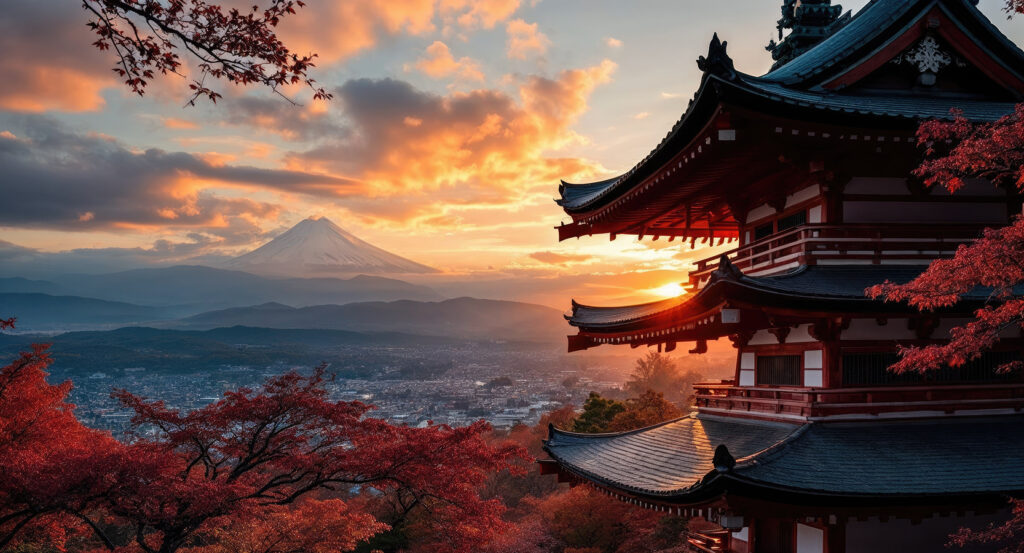
Why you should experience Ohara in Kyoto, Japan.
Ohara is a tranquil rural retreat where ancient temples, traditional farming landscapes, and centuries of spiritual heritage converge within a secluded valley north of Kyoto's urban core.
Forest-covered mountains, terraced fields, historic temple complexes, moss-covered pathways, traditional village scenery, and seasonal landscapes create a destination that feels far removed from the bustle of Central Kyoto. For centuries, Ohara served as a place of refuge for monks, aristocrats, and religious devotees seeking peace amid the natural beauty of the surrounding countryside. Its isolation helped preserve a distinctive cultural character rooted in agriculture, spirituality, and traditional rural life. Today, visitors are drawn by the area's quiet atmosphere and deep historical connections to some of Kyoto's most important religious traditions. The result is a neighborhood that feels serene, timeless, and deeply connected to nature. To the south, Sakyo Ward's temple districts, cultural landmarks, and mountain communities extend naturally from Ohara toward the heart of the ancient capital, reinforcing the neighborhood's position within one of Japan's most treasured cultural landscapes. Every stone pathway, temple garden, and mountain vista reflects a neighborhood shaped by spirituality, nature, and tradition.
What you should know about Ohara.
Ohara is best known for being home to Sanzen-in Temple, among Kyoto's most celebrated Tendai Buddhist temples and a masterpiece of Japanese garden design.
Founded more than a thousand years ago and deeply connected to the Tendai Buddhist tradition, the temple became renowned for its tranquil setting and beautifully integrated natural landscapes. Its moss-covered gardens, ancient trees, and historic structures create an atmosphere of contemplation that has inspired visitors for generations. The temple's remote location helped establish Ohara as a destination for spiritual retreat and religious study, attracting monks, pilgrims, and members of the imperial court throughout its history. Today, Sanzen-in remains one of Kyoto's most admired temple complexes, particularly during autumn foliage and spring greenery seasons. Few places in Japan possess such a harmonious blend of spiritual significance and natural beauty.
How to fold Ohara into your trip.
Ohara works as an exploration of the temple complexes, rural landscapes, and scenic pathways that define one of Kyoto's most peaceful destinations.
Begin at Sanzen-in Temple, where the neighborhood's defining connection to spiritual heritage and garden artistry immediately comes into focus. Continue toward Jakkoin Temple, whose quiet grounds and historical significance reveal the aristocratic and religious traditions that shaped the valley for centuries. From there, make your way through the Ohara countryside, where traditional farmhouses, terraced fields, and mountain scenery provide a broader perspective on the rural culture that continues to define the area. Along the route, you'll encounter temple gardens, forested trails, village pathways, neighborhood cafés, historic landmarks, scenic viewpoints, and cultural treasures that showcase the neighborhood's remarkable depth. The progression moves naturally from renowned temple complex to historic sanctuary to pastoral landscape, revealing the forces that shaped the neighborhood. Ohara remains one of Japan's most rewarding destinations, preserving a remarkable balance between spiritual significance, cultural heritage, and natural beauty.
Where your story begins.
Foresyte Travel reveals places that feel extraordinary long before you arrive.
Experience premium editorial crafted for luxury travelers.

















































































































