Why you should experience Cornelia Avenue in Chicago, Illinois.
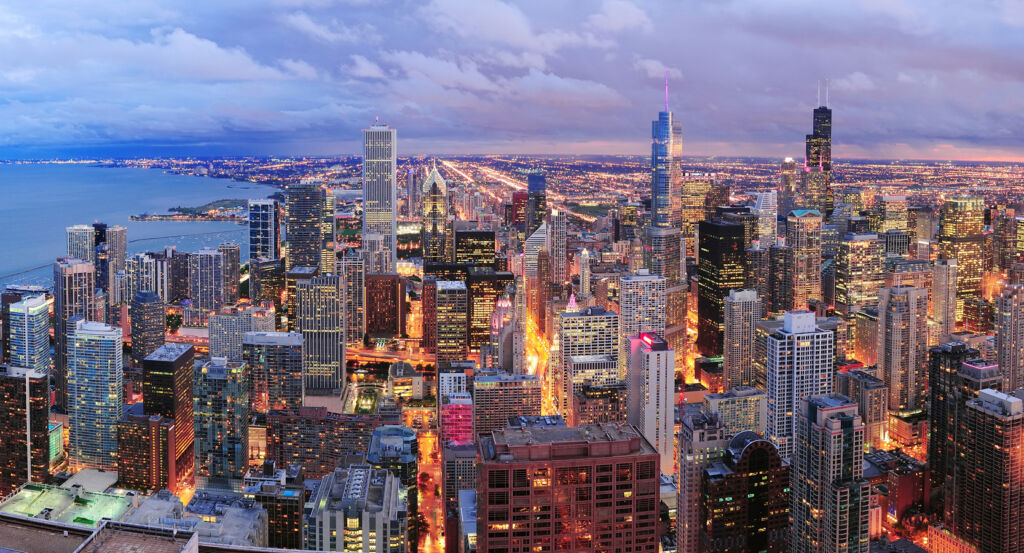
Cornelia Avenue is a welcoming corridor where Lakeview's residential heritage, neighborhood institutions, architectural character, and Chicago's North Side tradition create one of the community's most enduring streetscapes.
Running through Lakeview between Southport Corridor and Wrigleyville, Cornelia Avenue connects historic homes, brick apartment buildings, neighborhood parks, churches, schools, and long-established commercial districts that collectively reflect more than 140 years of continuous urban development. The corridor reveals how streetcar expansion, railroad accessibility, residential planning, and sustained community investment transformed former prairie into one of Chicago's most cohesive neighborhoods. Tree-lined blocks, early twentieth-century masonry architecture, and carefully preserved residences continue defining the avenue while reinforcing its longstanding identity. The result is a corridor distinguished by architectural continuity, neighborhood stability, and generations of civic stewardship.
What you should know about Cornelia Avenue.
Cornelia Avenue is best known for extending through Lakeview, where incorporation of Lake View Township in 1857, annexation to Chicago in 1889, and expansion of the Chicago & North Western Railway established the structure for rapid residential development across the North Side. Construction between the 1890s and the 1930s introduced a substantial collection of Chicago greystones, courtyard apartment buildings, brick two-flats, Prairie School residences, Queen Anne houses, and Tudor Revival homes that continue defining the corridor's architectural character. Expansion of the Chicago Surface Lines streetcar network, nearby service provided by today's CTA Brown Line and CTA Red Line, and continued growth surrounding Wrigley Field, completed in 1914, strengthened Cornelia Avenue's connections to commerce, recreation, and employment while attracting German, Swedish, Irish, and later diverse immigrant communities that shaped Lakeview's cultural identity. Investment in neighborhood institutions including Nettelhorst School, Our Lady of Mount Carmel Parish, and nearby park facilities reinforced the corridor's importance within one of Chicago's best-established residential districts. Continued preservation of historic housing stock, residential rehabilitation, and public infrastructure improvements have maintained Cornelia Avenue as an enduring component of Lakeview's architectural and community heritage.
Formation of the Lakeview East Chamber of Commerce strengthened neighborhood investment through business advocacy, streetscape improvements, community programming, and support for locally owned enterprises serving districts surrounding Cornelia Avenue. Architects including Dwight Perkins, Clarence Hatzfeld, Schmidt, Garden & Martin, and numerous Chicago residential designers contributed schools, churches, apartment buildings, and homes that enriched the architectural fabric of the surrounding neighborhood. Long-term planning by the Chicago Department of Planning and Development, transportation improvements administered by the Chicago Department of Transportation, preservation of early twentieth-century residential architecture, and sustained neighborhood investment collectively demonstrate how transportation, architecture, education, and community leadership have preserved Cornelia Avenue's historic identity. Together, Lake View Township, the Chicago & North Western Railway, the Chicago Surface Lines, the CTA Brown Line, the CTA Red Line, Wrigley Field, Nettelhorst School, Our Lady of Mount Carmel Parish, Dwight Perkins, Clarence Hatzfeld, the Lakeview East Chamber of Commerce, and more than a century of residential stewardship establish Cornelia Avenue among Lakeview's most historically representative corridors.
How to fold Cornelia Avenue into your trip.
Cornelia Avenue works as an exploration of Lakeview's residential heritage, neighborhood culture, and architectural character.
Begin at Graceland Cemetery, where distinguished landscape design, notable memorials, and the resting places of many influential Chicago figures introduce the historical setting surrounding Cornelia Avenue before naturally expanding into the neighborhood. Continue to Southport Corridor, where independent boutiques, neighborhood architecture, and longstanding local businesses reflect Lakeview's continuing commercial vitality before guiding the experience toward its conclusion. Conclude at Wrigley Field, where more than a century of baseball history, enduring architectural character, and deep civic tradition provide the historical and cultural payoff, illustrating how recreation, architecture, and community character continue shaping Lakeview. The progression moves naturally from historical reflection to neighborhood commerce before concluding with one of Chicago's defining athletic venues.
Where your story begins.
Foresyte Travel reveals places that feel extraordinary long before you arrive.
Experience premium editorial crafted for luxury travelers.