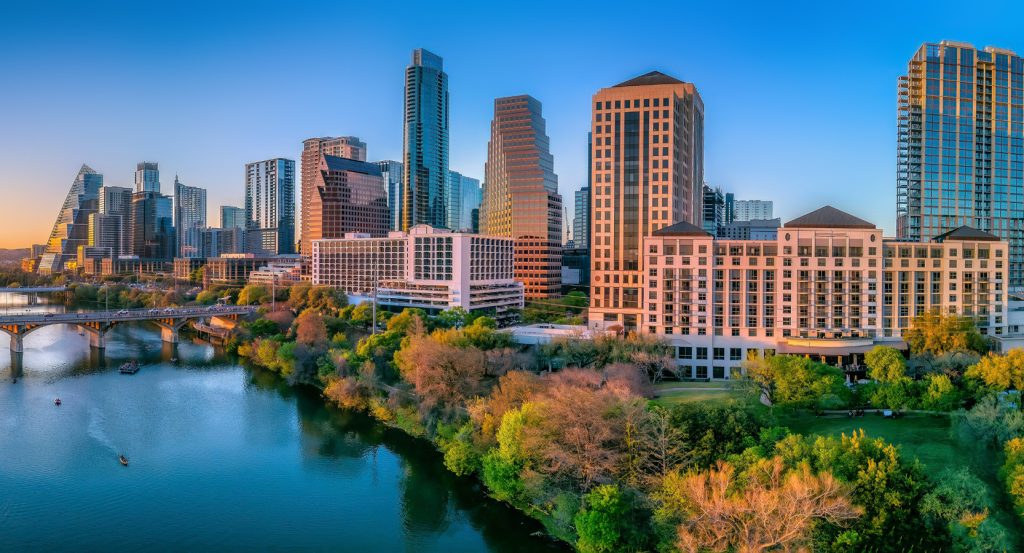
Why you should experience Sandra Muraida Way in Austin, Texas.
Sandra Muraida Way is a spirited corridor where Downtown's civic heritage, riverfront setting, cultural vitality, and architectural evolution create one of the city's most distinctive urban connections.
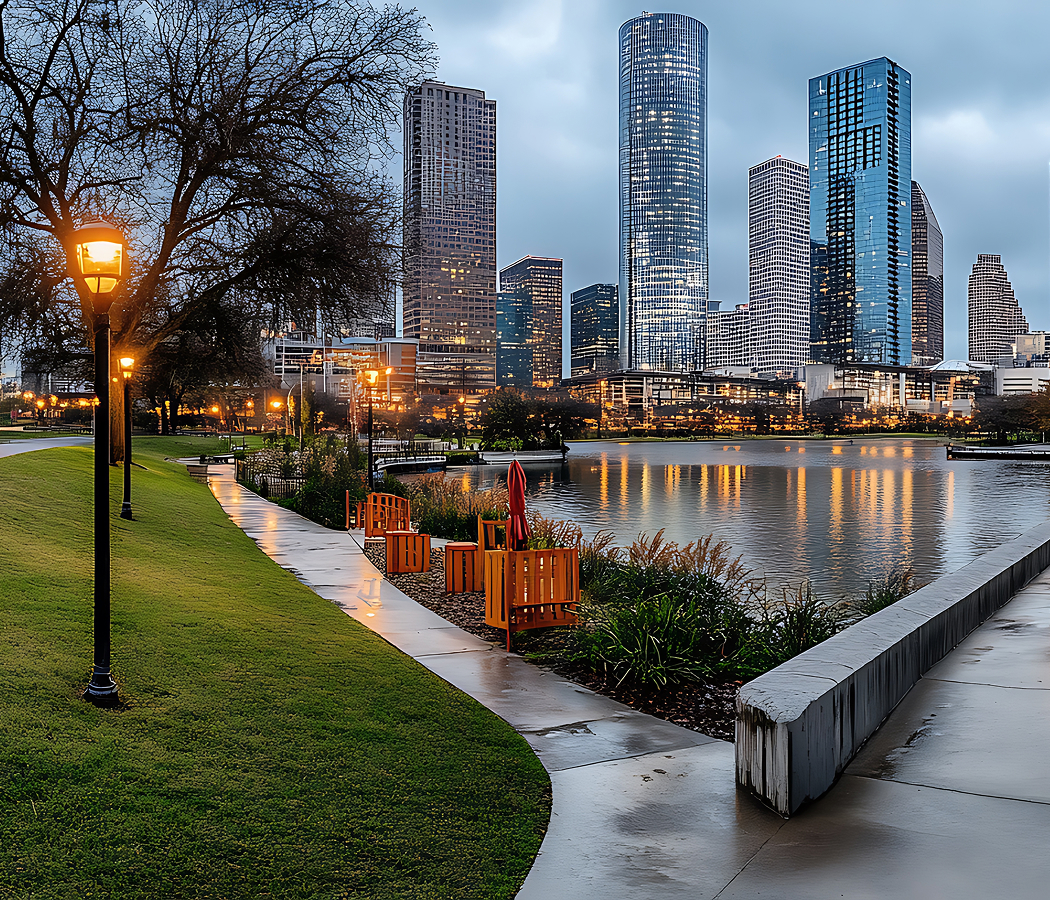
Running through Downtown between Bouldin Creek and East Cesar Chavez, the roadway connects Lady Bird Lake, civic landmarks, cultural destinations, public gathering spaces, and Austin's evolving skyline through one of the city's most recognizable crossings. Each successive stretch reveals riverfront trails, modern high-rises, landscaped overlooks, public art, and panoramic views that reinforce the corridor's unmistakable identity. The defining moment arrives as Sandra Muraida Way demonstrates how civic investment, transportation infrastructure, and public space continue shaping one of Central Austin's defining corridors. The result is an experience defined by urban energy, riverfront beauty, and one of Downtown's most rewarding streets.
What you should know about Sandra Muraida Way.
Sandra Muraida Way is best known for incorporating the First Street Bridge, officially renamed the Ann W. Richards Congress Avenue Bridge? No, the corridor instead carries traffic across the First Street Bridge, which was renamed Sandra Muraida Way in 2015 to honor Sandra Muraida, the first Hispanic woman elected to the Austin City Council, who served from 1977 to 1985 and became a leading advocate for neighborhood revitalization, parks, and Hispanic representation in Austin civic life. The roadway spans Lady Bird Lake, the Colorado River reservoir created following completion of Tom Miller Dam in 1940 and renamed from Town Lake in 2007 in recognition of Lady Bird Johnson's environmental legacy. The current First Street Bridge, completed in 2004, replaced an earlier crossing while introducing wider sidewalks, dedicated bicycle facilities, scenic overlooks, and improved multimodal access connecting Downtown with the South Central Waterfront. The corridor directly links the Ann and Roy Butler Hike-and-Bike Trail, a continuous 10-mile shared-use trail encircling Lady Bird Lake, with the city's expanding downtown street network, public parks, and waterfront destinations. Surrounding development includes contemporary office towers, residential high-rises, hospitality projects, landscaped plazas, and public art installations that reflect Downtown's rapid twenty-first-century transformation. Collectively, the corridor's civic commemoration, bridge engineering, riverfront infrastructure, transportation improvements, and urban redevelopment establish Sandra Muraida Way as one of Austin's defining waterfront corridors.
Adjacent to the roadway, Auditorium Shores underwent a comprehensive redevelopment completed in 2013, expanding event lawns, shoreline access, pedestrian circulation, and public gathering spaces while strengthening Austin's relationship with Lady Bird Lake. Nearby, the Long Center for the Performing Arts, opened in 2008 within the preserved structure of the former Lester E. Palmer Municipal Auditorium, anchors one of Texas's leading performing arts venues through resident companies including the Austin Symphony Orchestra, Austin Opera, and Ballet Austin. The nearby Stevie Ray Vaughan Memorial, dedicated in 1994, has become one of Austin's most visited public sculptures, commemorating the internationally acclaimed guitarist along the lakefront trail through a bronze monument created by sculptor Ralph Helmick. Together, these civic spaces, cultural institutions, and public artworks demonstrate how Sandra Muraida Way reflects a corridor where transportation, public memory, and Austin's cultural character continue reinforcing one another.
How to fold Sandra Muraida Way into your trip.
Sandra Muraida Way works as an exploration of Austin's waterfront, civic history, and performing arts.
Begin at Auditorium Shores, where expansive lawns, skyline views, and riverfront trails establish the natural and civic character surrounding Sandra Muraida Way while introducing one of Austin's defining public gathering places. Continue to Stevie Ray Vaughan Memorial, where public art, musical heritage, and lakeside scenery deepen the experience before guiding the journey toward its historical conclusion. Conclude at The Long Center for the Performing Arts, where acclaimed performances, preserved civic architecture, and resident arts organizations provide the historical payoff by illustrating Austin's enduring commitment to culture and public life. The progression moves naturally from waterfront recreation to musical heritage before culminating in one of the city's foremost performing arts institutions.
Where your story begins.
Foresyte Travel reveals places that feel extraordinary long before you arrive.
Experience premium editorial crafted for luxury travelers.