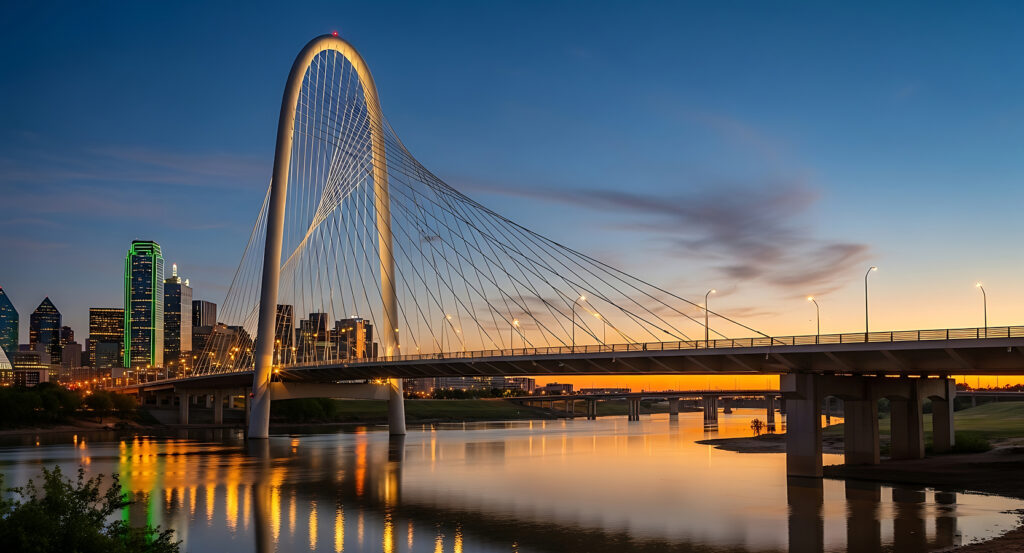
Why you should experience Colorado Boulevard in Dallas, Texas.
Colorado Boulevard is a spirited corridor where Oak Cliff's architectural heritage, neighborhood pride, commercial tradition, and cultural vitality create one of Southwest Dallas' defining thoroughfares.
Running through Oak Cliff between Kessler Park and North Oak Cliff, the boulevard connects historic shopping districts, established neighborhoods, community institutions, and tree-lined residential blocks that reflect more than a century of continuous growth. Each successive stretch reveals early twentieth-century storefronts, mature live oaks, distinguished brick residences, landscaped medians, and welcoming pedestrian spaces that reinforce the boulevard's enduring identity. The defining moment arrives as Colorado Boulevard demonstrates how architectural preservation, local enterprise, and neighborhood stewardship continue shaping one of Oak Cliff's most recognizable streets. The result is an experience defined by architectural richness, neighborhood continuity, and one of Oak Cliff's most rewarding corridors.
What you should know about Colorado Boulevard.
Colorado Boulevard is best known for developing during Oak Cliff's rapid expansion throughout the 1910s, 1920s, and 1930s, when electric streetcar service encouraged residential and commercial growth west of Downtown. Development introduced Craftsman, Tudor Revival, Spanish Eclectic, and Colonial Revival residences alongside neighborhood storefronts and commercial buildings featuring brick masonry, decorative terra-cotta detailing, limestone accents, original wood sash windows, ornamental parapets, and recessed storefront entrances that continue defining the corridor's architectural identity. The boulevard became closely associated with the evolution of the Lake Cliff and North Oak Cliff communities, where established business districts and architecturally cohesive residential streets reflected Oak Cliff's emergence as one of Dallas' premier early suburban communities. Mature tree canopies, generous building setbacks, continuous commercial frontages, interconnected sidewalks, and preserved streetscapes maintain the physical character established during the boulevard's formative decades while reinforcing Colorado Boulevard's cohesive urban environment. Continued reinvestment has restored historic commercial buildings while supporting independent businesses, neighborhood gathering places, and thoughtfully rehabilitated residences that preserve the boulevard's longstanding character. Collectively, the corridor's streetcar-era origins, architectural craftsmanship, commercial tradition, and sustained preservation established Colorado Boulevard as one of Oak Cliff's defining historic corridors.
The Old Oak Cliff Conservation League continues documenting neighborhood history, promoting preservation initiatives, and encouraging stewardship of architecturally significant buildings that reinforce Colorado Boulevard's historic identity. Preservation Dallas supports research, educational programming, and advocacy that strengthen appreciation for the boulevard's early twentieth-century architectural legacy throughout Oak Cliff. Native live oaks, cedar elms, magnolias, ornamental hedges, limestone garden walls, and carefully maintained planting beds create a mature landscape that complements the surrounding architecture while preserving the boulevard's distinctive visual rhythm. Together, these preservation organizations, neighborhood initiatives, and enduring landscape traditions demonstrate how Colorado Boulevard continues retaining its historic character through sustained community stewardship and thoughtful conservation.
How to fold Colorado Boulevard into your trip.
Colorado Boulevard works as an exploration of Oak Cliff's architectural heritage and neighborhood culture.
Begin at Lake Cliff Park, where historic landscapes, mature trees, and views across the park establish the historical setting surrounding Colorado Boulevard while naturally introducing Oak Cliff's early suburban identity. Continue to Texas Theatre, where the beautifully restored 1931 cinema deepens appreciation for the neighborhood's architectural and cultural legacy before guiding the experience toward its historical conclusion. Conclude at Bishop Arts District, where restored storefronts, independent galleries, and locally owned restaurants provide the historical payoff by illustrating how entrepreneurial reinvestment continues extending Oak Cliff's longstanding commercial tradition. The progression moves naturally from historic parkland to architectural preservation before culminating in one of Dallas' most celebrated neighborhood destinations.
Where your story begins.
Foresyte Travel reveals places that feel extraordinary long before you arrive.
Experience premium editorial crafted for luxury travelers.