Why you should experience Corinth Street in Dallas, Texas.
Corinth Street is a resilient corridor where the Cedars' industrial heritage, transportation legacy, creative revival, and urban ambition create one of Dallas' most compelling gateways.
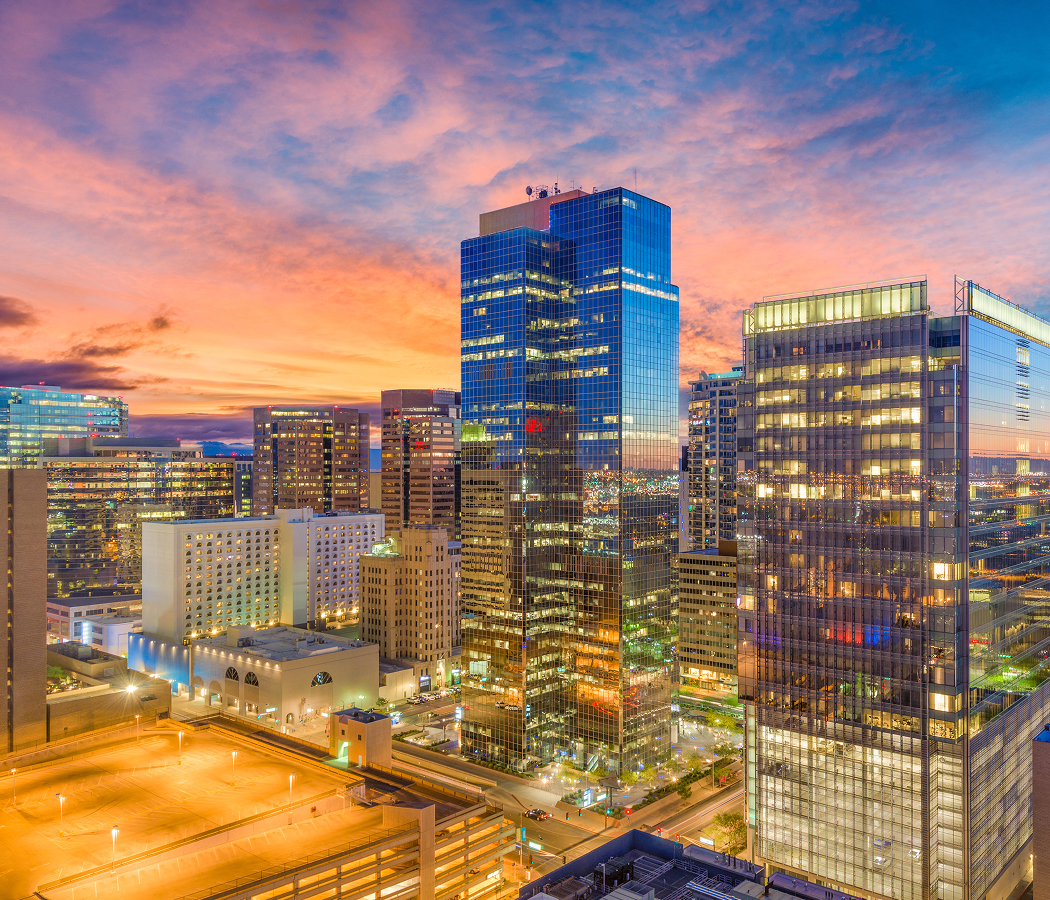
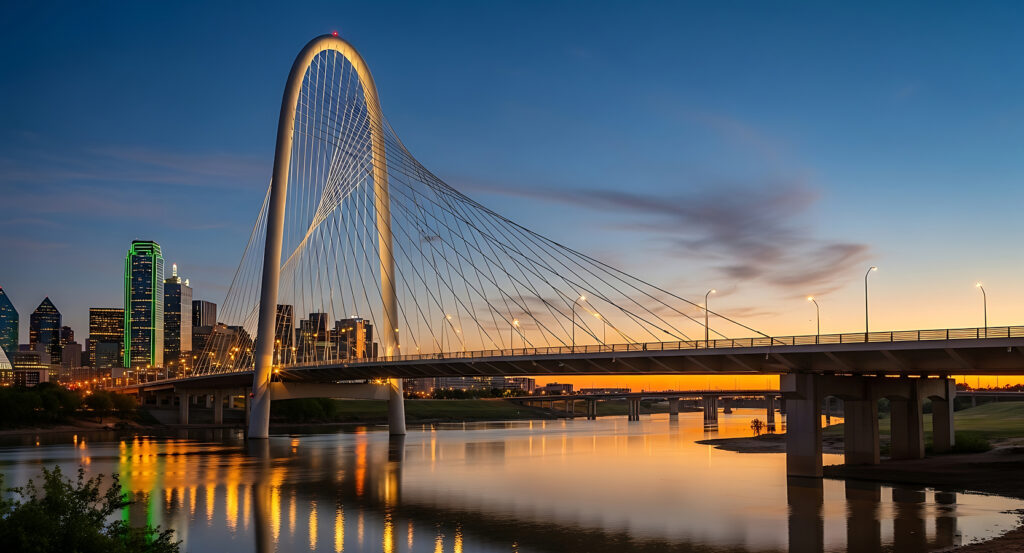
Running through the Cedars between Downtown and South Dallas, the corridor connects historic industrial buildings, contemporary creative spaces, business campuses, and evolving residential districts that reflect more than a century of continuous reinvention. Each successive block reveals restored brick warehouses, modern commercial buildings, broad streetscapes, mature shade trees, and distinctive industrial architecture that reinforce the street's unmistakable urban identity. The defining moment arrives as Corinth Street demonstrates how manufacturing heritage, entrepreneurial investment, and architectural preservation continue shaping one of Dallas' fastest-evolving districts. The result is an experience defined by industrial character, creative momentum, and one of the Cedars' most engaging corridors.
What you should know about Corinth Street.
Corinth Street is best known for developing alongside the Cedars' emergence as one of Dallas' principal industrial districts during the late nineteenth century and early twentieth century, when proximity to multiple railroad lines attracted manufacturers, wholesale distributors, grain elevators, warehouses, and produce businesses immediately south of Downtown. Development introduced substantial warehouse buildings, milling facilities, commercial lofts, and manufacturing plants featuring load-bearing brick masonry, reinforced concrete framing, heavy timber construction, steel sash windows, cast-stone detailing, and expansive loading bays that continue defining the corridor's architectural identity. The district also became closely associated with South Side on Lamar, the landmark 1910 Sears, Roebuck and Co. distribution center whose immense industrial scale helped establish the Cedars as one of North Texas' foremost centers of wholesale commerce. Broad rights-of-way, original industrial block patterns, masonry façades, warehouse proportions, and surviving freight-oriented building forms preserve the physical character established during the corridor's formative decades while reinforcing Corinth Street's cohesive industrial landscape. Continued rehabilitation has transformed many historic industrial properties into offices, studios, galleries, restaurants, and residential lofts while preserving the corridor's authentic architectural fabric. Collectively, the corridor's railroad-era origins, industrial craftsmanship, commercial prominence, and sustained adaptive reinvestment established Corinth Street as one of the Cedars' defining historic corridors.
Cedars Open Studios continues promoting artist collaboration, public exhibitions, and neighborhood engagement that reinforce Corinth Street's creative character while celebrating the district's industrial heritage. Preservation Dallas documents and advocates for historically significant industrial architecture whose continued conservation strengthens the corridor's distinctive character. Native cedar elms, live oaks, ornamental grasses, landscaped planting beds, climbing vines, brick paving accents, and pedestrian-scale lighting create a welcoming streetscape that complements the surrounding warehouse architecture while enhancing the district's walkable atmosphere. Together, these cultural organizations, preservation initiatives, and enduring landscape traditions demonstrate how Corinth Street continues retaining its distinctive character through sustained artistic stewardship and thoughtful conservation.
How to fold Corinth Street into your trip.
Corinth Street works as an exploration of Dallas' industrial heritage and creative resurgence.
Begin at South Side on Lamar, where the grand former Sears warehouse establishes the industrial story surrounding Corinth Street while naturally introducing the Cedars' commercial legacy. Continue to Alamo Drafthouse Cinema Cedars, where the thoughtfully restored industrial setting deepens appreciation for the district's contemporary cultural revival before guiding the experience toward its historical conclusion. Conclude at Pioneer Plaza, where the celebrated bronze cattle drive provides the historical payoff by connecting the Cedars' commercial evolution with the broader story of Dallas' emergence as a regional economic center. The progression moves naturally from preserved industrial architecture to contemporary creative reuse before culminating in one of the city's defining historical spaces.
Where your story begins.
Foresyte Travel reveals places that feel extraordinary long before you arrive.
Experience premium editorial crafted for luxury travelers.