Why you should experience Marsalis Avenue in Dallas, Texas.
Marsalis Avenue is a storied corridor where Oak Cliff's civic heritage, cultural legacy, neighborhood resilience, and architectural character define one of southern Dallas' most meaningful thoroughfares.
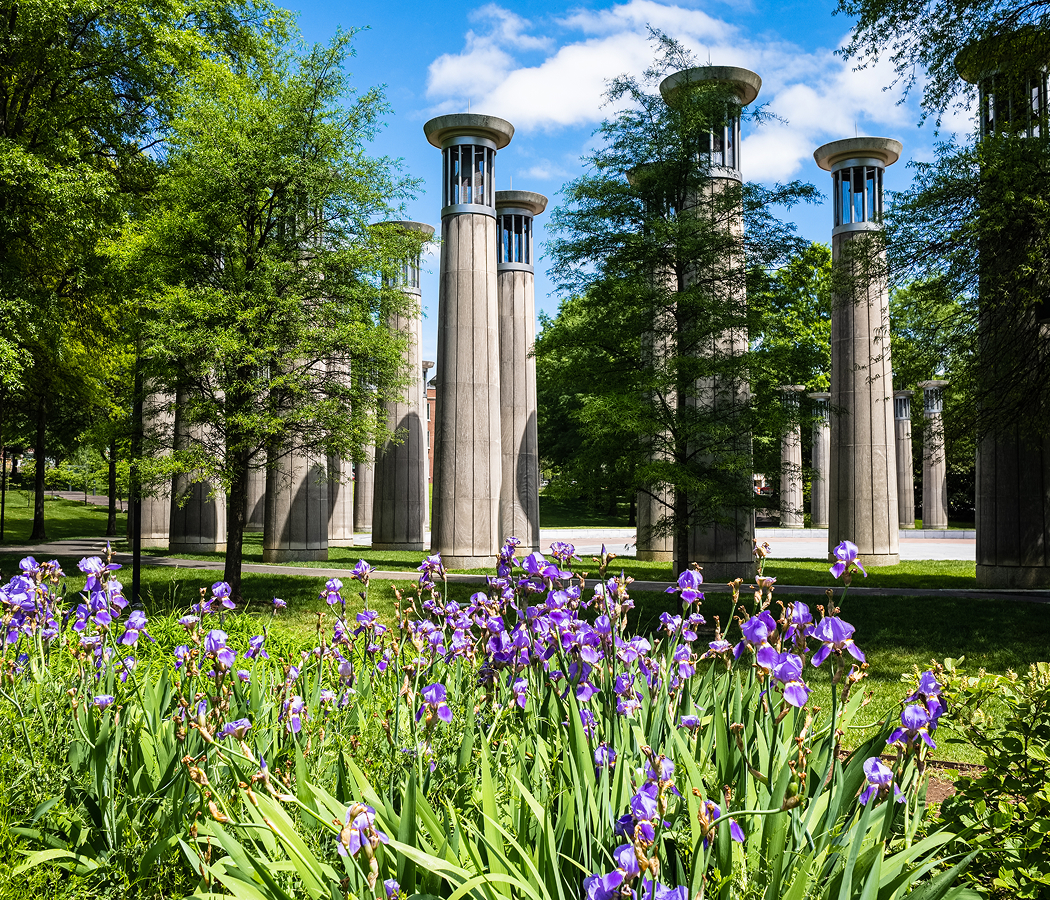
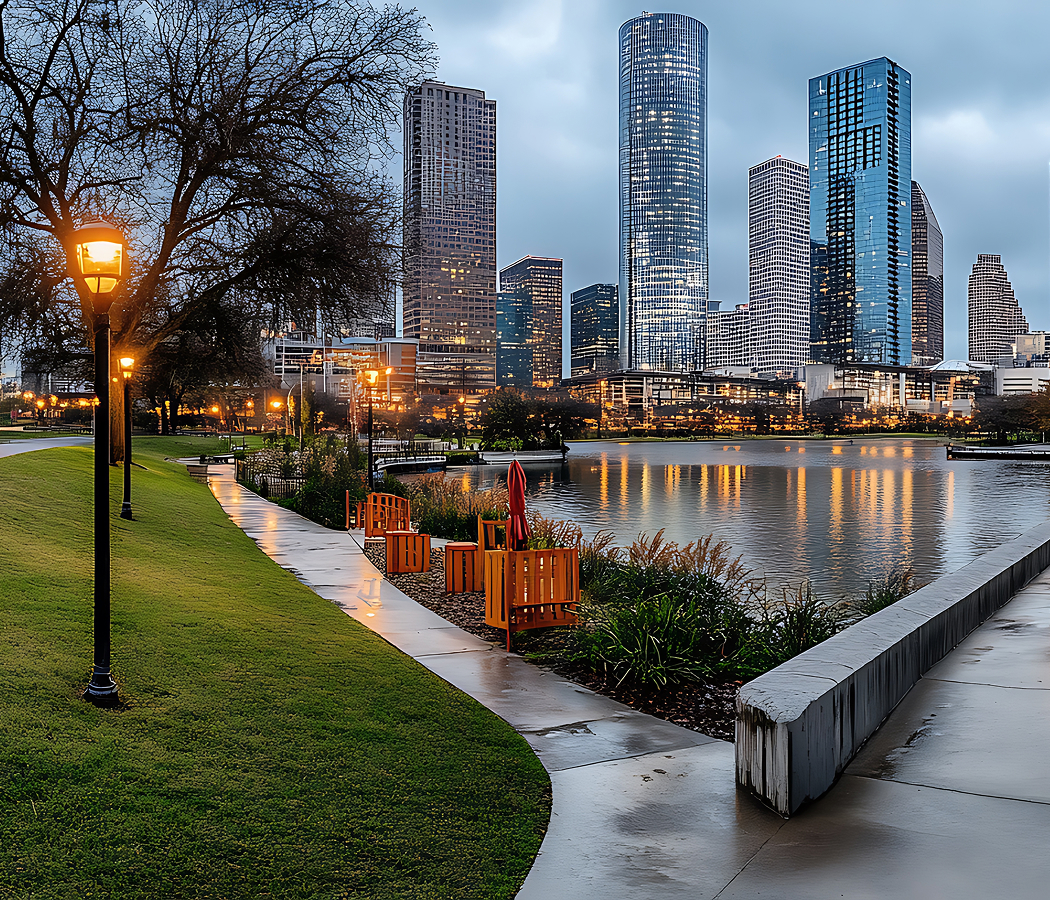
Running through Oak Cliff between The Cedars and Wynnewood, the corridor connects historic neighborhoods, churches, civic institutions, neighborhood businesses, and public parks that reflect more than a century of community development. Each successive stretch reveals early twentieth-century commercial buildings, mature live oaks, brick residences, landscaped boulevards, and enduring civic landmarks that reinforce the avenue's unmistakable identity. The defining moment arrives as Marsalis Avenue demonstrates how preservation, neighborhood leadership, and cultural continuity have continually shaped one of Dallas' most significant corridors. The result is an experience defined by community character, architectural heritage, and one of Oak Cliff's most rewarding corridors.
What you should know about Marsalis Avenue.
Marsalis Avenue is best known for developing during Oak Cliff's rapid expansion after its annexation into Dallas in 1903, when streetcar extensions and residential investment transformed the area into one of the city's principal urban neighborhoods. Construction throughout the 1900s, 1910s, 1920s, and 1930s introduced Prairie School, Craftsman, Colonial Revival, Classical Revival, and Spanish Eclectic architecture featuring brick masonry, limestone detailing, decorative woodwork, original wood sash windows, broad front porches, and ornamental masonry that continue defining the corridor's architectural identity. The avenue became an important civic spine linking residential districts with churches, neighborhood commerce, educational institutions, and municipal services that supported Oak Cliff's growing population during the early twentieth century. Subsequent reinvestment preserved substantial portions of the historic streetscape while introducing carefully integrated public infrastructure improvements that strengthened pedestrian accessibility and neighborhood connectivity. Mature tree canopies, generous rights-of-way, consistent setbacks, and long-established residential blocks continue expressing the planning principles established during Oak Cliff's formative decades. Collectively, the corridor's annexation-era expansion, architectural craftsmanship, civic importance, and enduring neighborhood planning established Marsalis Avenue as one of Oak Cliff's defining historic corridors.
The Old Oak Cliff Conservation League continues advancing preservation initiatives, neighborhood revitalization, and educational programming that reinforce Marsalis Avenue's architectural legacy while encouraging thoughtful stewardship throughout the surrounding community. The Oak Cliff Society of Fine Arts, established in 1926, helped cultivate the neighborhood's cultural character through exhibitions, performances, and community engagement that influenced the broader civic life surrounding the corridor. Native live oaks, cedar elms, magnolias, limestone retaining walls, ornamental planting beds, and landscaped parkways create a mature streetscape that complements the avenue's historic buildings while preserving its distinctive visual character. Together, these preservation organizations, cultural institutions, and enduring landscape traditions demonstrate how Marsalis Avenue continues retaining its historic character through sustained community stewardship and long-term civic investment.
How to fold Marsalis Avenue into your trip.
Marsalis Avenue works as an exploration of Oak Cliff's architectural heritage and cultural landscape.
Begin at Bishop Arts District, where restored storefronts, independent galleries, and locally owned businesses establish Oak Cliff's creative character while naturally introducing the neighborhoods connected by Marsalis Avenue. Continue to Lake Cliff Park, where historic landscaping, mature trees, and sweeping green space deepen appreciation for Oak Cliff's early civic planning before guiding the experience toward its historical conclusion. Conclude at Texas Theatre, where the restored 1931 cinema provides the historical payoff by illustrating the architectural ambition and cultural significance that continue defining Oak Cliff. The progression moves naturally from neighborhood creativity to historic parkland before culminating in one of Dallas' most celebrated cultural venues.
Where your story begins.
Foresyte Travel reveals places that feel extraordinary long before you arrive.
Experience premium editorial crafted for luxury travelers.