
Why you should experience Hotel Hakuba in Japan.
Hotel Hakuba is where the simplicity of Japanese mountain life feels refreshing, where the natural rhythm of the Northern Alps settles around you like a soft blanket, and where comfort, calm, and unpretentious hospitality come together in a way that feels genuinely restorative.
Set on a quiet stretch of open land just outside Central Happo Village, Hotel Hakuba blends spaciousness, warm service, and classic Japanese resort hospitality into a stay that feels grounded, peaceful, and wonderfully easygoing. This is not the flashiest hotel in Hakuba, and that's its strength. It's a property beloved for its tranquility, reliability, generous amenities, and the kind of welcoming atmosphere that makes it feel like a home base. From the moment you enter, wide hallways, clean lines, and soft lighting create a sense of calm. The lobby feels open and inviting, with warm wood tones, understated décor, comfortable seating, and windows that overlook snowy fields in winter and lush green in summer. There is a lived-in, earnest charm here, the kind of atmosphere that tells you the focus is on comfort, sincerity, and effortless relaxation. Rooms are bright, simple, and thoughtfully arranged. Expect comfortable bedding, large windows that let natural light flood the space, warm-toned carpets, Japanese touches, and layouts that prioritize rest over decoration. Many rooms include seating nooks, writing desks, and views of the mountains or surrounding meadows. Whether you choose a Western-style room or a Japanese-Western hybrid, the experience is consistent: clean, warm, quiet, and deeply restful after long days in the mountains. One of Hotel Hakuba's most defining features is its sense of space. Unlike many hotels tucked tightly into the Wadano or Happo districts, Hotel Hakuba sits on a broad open property with wide lawns, open-air walking paths, and landscapes that breathe. This openness brings a feeling of freedom, you can see the mountains, feel the breeze, and sense the valley's scale in a way that dense forest hotels don't always allow. Another major highlight is the hotel's onsen, a soothing, mineral-rich hot-spring bath that becomes an essential part of the experience. The indoor bath is warm, serene, and atmospheric, but the outdoor rotenburo feels especially magnetic in winter: steam rising into crisp air, snowflakes drifting gently around you, and the quiet hush of the valley settling over the water. After a day of skiing Happo-One or exploring the valley, soaking in the onsen feels like pure relief, muscles soften, breath deepens, and the mountain quiet becomes part of your body. Dining at Hotel Hakuba is generous, hearty, and comforting. The hotel is known for its expansive buffet-style meals, a blend of Japanese favorites and international dishes designed to satisfy travelers from around the world. Breakfast includes eggs, pastries, grilled fish, rice, miso soup, salads, vegetables, yogurt, fruit, and warm dishes that energize you for the slopes. Dinner brings an even wider selection: soups, curries, tempura, meats, noodles, rice dishes, vegetables, and desserts that reflect both Japanese home-cooking and classic resort cuisine.
What you did not know about Hotel Hakuba.
The land surrounding Hotel Hakuba carries a story shaped by ancient mountain formation, glacial carving, spiritual practice, early settlement, agriculture, and the region's evolution into one of Japan's most beloved mountain destinations.
Hakuba Valley lies within the Northern Japanese Alps, a majestic range formed through millions of years of tectonic movement. The valley sits at the convergence of three major tectonic plates, the Okhotsk Plate, the Eurasian Plate, and the Philippine Sea Plate, whose ongoing collision has shaped the region's towering peaks, dramatic slopes, and fault lines. During the last ice age, massive glaciers carved deep ridges and valleys, shaping the terrain that now forms Hakuba's world-famous ski domains. The retreating glaciers created the wide basin where Hotel Hakuba now stands, depositing mineral-rich soil and forming the flat, open landscape that distinguishes this part of the valley from the steeper, forested hillsides of Wadano. Hakuba's extraordinary snowfall, light, dry, and incredibly deep, is tied to its geography. Cold Siberian winds cross the Sea of Japan, absorb moisture, and collide with the Alps, releasing huge quantities of powder. The basin around Hotel Hakuba receives consistent snowfall while also benefiting from more open skies and sunlight compared to denser forest zones. The valley's earliest known inhabitants were the Jōmon people, who lived here more than 5,000 years ago. Archaeological discoveries, pottery, tools, ritual artifacts, and signs of seasonal migration, show that the region provided abundant food, fresh water, and natural shelter. The Jōmon saw the mountains as sacred, believing powerful spirits lived within the peaks, forests, and rivers. Mountain worship (Shugendō) flourished later as yamabushi monks used the surrounding peaks for spiritual training. The mountains around Hakuba, especially Shirouma, Goryu, and Hakuba-Yari, became sacred pilgrimage sites where practitioners sought purification, endurance, and enlightenment. The valley also played a role in the Chikuni Kaidō, the ancient Salt Road that connected the Sea of Japan to inland towns. Salt, seafood, rice, fabrics, and tools passed through Hakuba on packhorses and human carriers. Travelers stayed in small inns along the route, giving rise to early traditions of local hospitality that inform Hakuba's hotel culture today. Farming communities later developed throughout the valley, taking advantage of its rich soil and river systems. Rice fields, barley, buckwheat, and vegetable farms flourished in the basin, many still visible today during summer and autumn. This agricultural foundation shaped Hakuba's cuisine, community rhythms, and cultural identity. Wildlife remains abundant in the plains and forests surrounding Hotel Hakuba. Japanese macaques roam riverbanks and forests throughout the year. Sika deer graze in nearby fields. Foxes and raccoons move quietly through wooded edges. Waterfowl, hawks, and songbirds migrate through the valley with the seasons. The hotel's onsen water reflects the valley's volcanic heritage. The geothermal activity that heats these springs comes from deep underground, tied to ancient volcanic formations beneath the Alps. For centuries, locals used onsens not only for relaxation but for healing, ritual cleansing, and seasonal gatherings.
How to fold Hotel Hakuba into your trip.
Hotel Hakuba becomes the calm, spacious, onsen-centered base of your Hakuba experience, a place where mornings begin in peace, days unfold into outdoor adventure, and evenings return you to warmth, comfort, and restorative quiet.
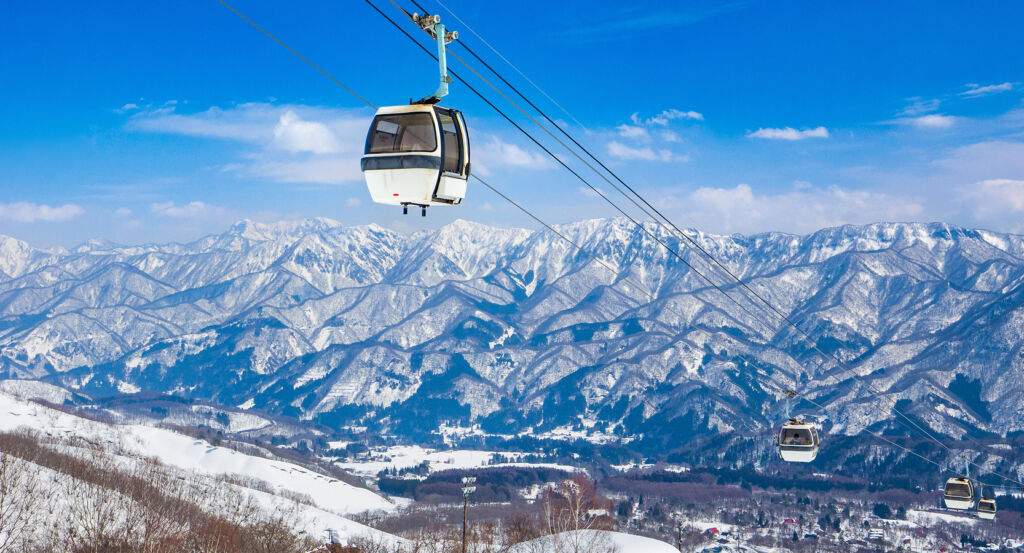
Start the morning by opening your curtains to soft light stretching across open fields, forests, and the distant peaks of the Northern Alps. In winter, snow creates a serene, white landscape. In summer, green meadows ripple under mountain breezes. Head down to breakfast for a generous, energy-rich buffet, grilled fish, eggs, rice bowls, miso soup, pastries, yogurt, fruit, vegetables, and warm dishes that prepare you for a day on the slopes or trails. After breakfast, catch the quick hotel shuttle to Happo-One or other major ski areas. In winter, spend your days carving wide groomers, floating through powder bowls, exploring forest runs, or riding gondolas to panoramic viewpoints. Stop at on-mountain restaurants for steaming ramen or curry rice. Ski until your legs burn, then ride the shuttle back to the quiet calm of the hotel's open grounds. If you prefer slower winter days, wander the riverside paths, visit shrines and cafés, stroll through Happo Village, or take peaceful walks through snowy fields. In summer, explore Hakuba's vast network of hiking trails. Visit lakes, waterfalls, and alpine viewpoints. Ride gondolas to ridge walks with sweeping views. Rent bikes to follow scenic valley routes. Explore temples, cafés, craft shops, and small villages throughout the region. After the outdoor adventures, return to the heart of your stay: the onsen. Sink into warm, mineral-rich water as your muscles unwind. Step into the outdoor bath to feel cold air on your face and heat envelop your body. Watch steam drift upward as the mountains fall into evening quiet. After bathing, relax in your room, read in the lounge, sip tea or whisky, or enjoy quiet moments on the hotel grounds. Dinner brings comforting, satisfying meals, Japanese and international dishes prepared with care and served in a warm, inviting dining room. After dinner, take a night walk outside to breathe fresh mountain air under a sky full of stars. Return to your room, sink into soft bedding, and fall asleep in deep, uninterrupted silence. Hotel Hakuba becomes not just where you stay, but the peaceful, restorative, quietly grounding base that shapes your entire Hakuba journey.
Where your story begins.
Foresyte Travel reveals places that feel extraordinary long before you arrive.
Experience premium editorial crafted for luxury travelers.

















































































































