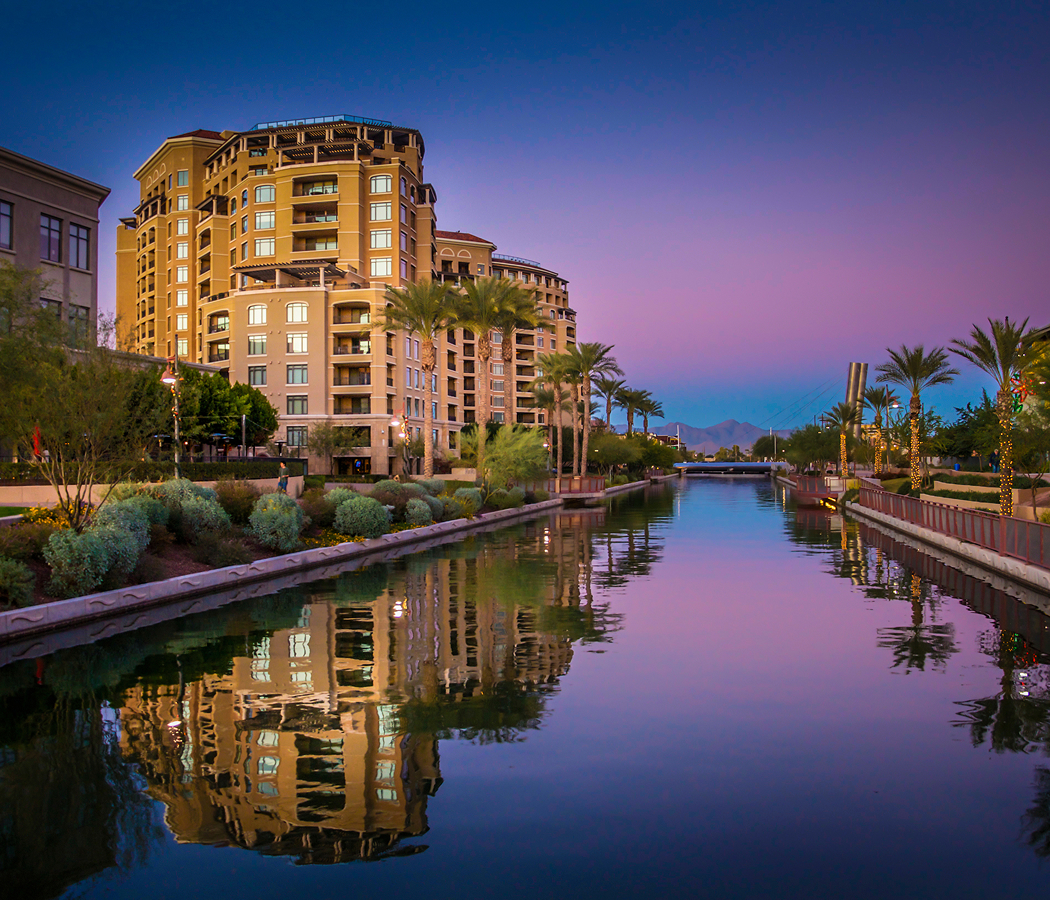
Why Bishop Avenue matters.
Bishop Avenue is a historic Bishop Arts District corridor where entrepreneurial spirit, architectural heritage, and Oak Cliff's creative character converge along one of Dallas' most influential neighborhood streets.
Running through the Bishop Arts District between North Oak Cliff, Winnetka Heights, and Kessler Park, this energetic corridor connects beautifully preserved early twentieth century storefronts, acclaimed restaurants, independent boutiques, neighborhood cafés, celebrated theaters, and welcoming pedestrian spaces that collectively showcase Dallas' remarkable tradition of local entrepreneurship and architectural preservation. Historic commercial buildings, thoughtfully restored mixed use spaces, landscaped streetscapes, thriving local businesses, public art, cultural destinations, and lively gathering places create an urban landscape where generations of merchants, artists, restaurateurs, entrepreneurs, and residents have shaped one of North Texas' defining neighborhood corridors. Bishop Avenue evolved as the commercial heart of Oak Cliff before becoming the centerpiece of the Bishop Arts District while preserving its historic fabric, creative energy, and enduring neighborhood significance. The result is a corridor defined by architectural distinction, entrepreneurial ambition, and lasting cultural influence.
What defines Bishop Avenue.
Bishop Avenue is best known for the Bishop Arts District, the restored early twentieth century commercial district whose independent businesses transformed one of Dallas' historic neighborhood centers into one of Texas' premier destinations for local shopping, dining, and the arts.
Originally developed as Oak Cliff's principal neighborhood business district, the area flourished during the streetcar era before experiencing decades of decline. A sustained preservation and revitalization effort restored its historic storefronts while attracting locally owned restaurants, galleries, cafés, theaters, and specialty retailers that reestablished the district as one of Dallas' most energetic urban destinations. Today, the Bishop Arts District continues to celebrate independent enterprise while preserving the architectural character that defines its identity. That remarkable revival has established Bishop Avenue as a corridor anchored by one of Texas' most successful historic commercial districts.
How Bishop Avenue fits.
Bishop Avenue works as an exploration of Dallas' independent shopping, neighborhood dining, and historic architecture.
Begin in the Bishop Arts District, where beautifully restored storefronts and locally owned businesses immediately establish the corridor's defining identity. Continue toward the Texas Theatre, where the meticulously restored 1931 movie palace provides broader perspective on Oak Cliff's extraordinary architectural and cultural legacy. From there, make your way to the Kessler Theater, where the intimate historic performance venue provides a memorable conclusion while celebrating one of Dallas' most cherished live music destinations. Along the route, you'll encounter architecturally significant commercial buildings, welcoming public spaces, thriving independent businesses, beautifully preserved neighborhood streets, celebrated cultural landmarks, and energetic gathering places that reveal Oak Cliff's exceptional depth. The progression moves naturally from a nationally recognized neighborhood district to a landmark historic theater to an iconic live music venue, demonstrating how Bishop Avenue connects architectural preservation, community life, and creative discovery.
Where your story begins.
Foresyte Travel reveals places that feel extraordinary long before you arrive.
Enjoy editorial crafted for luxury travelers.
Foresyte may earn a commission when you book.