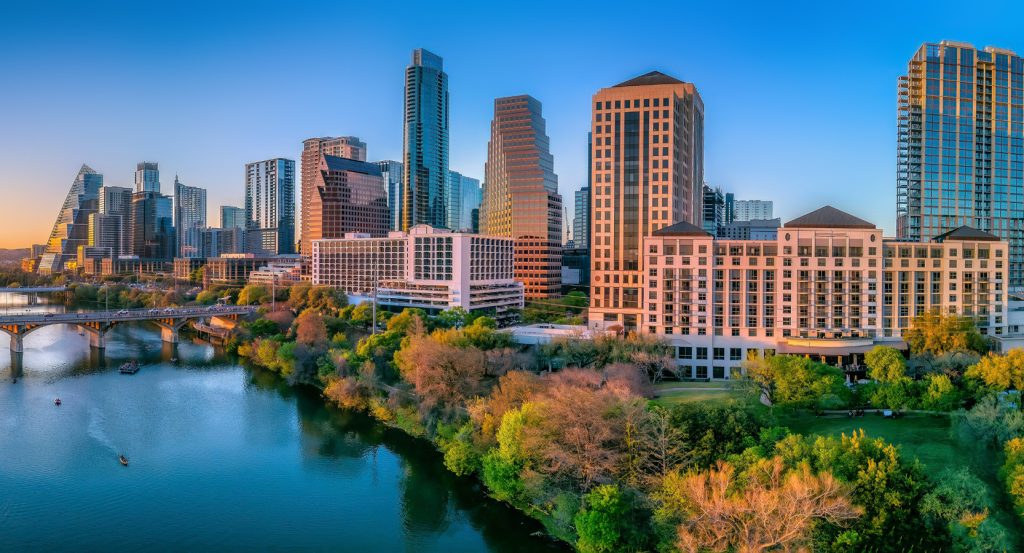
Why Braker Lane matters.
Braker Lane is an energetic corridor where North Burnet's innovation economy, commercial vitality, technological leadership, and modern Austin character converge across one of the city's most influential east-west thoroughfares.
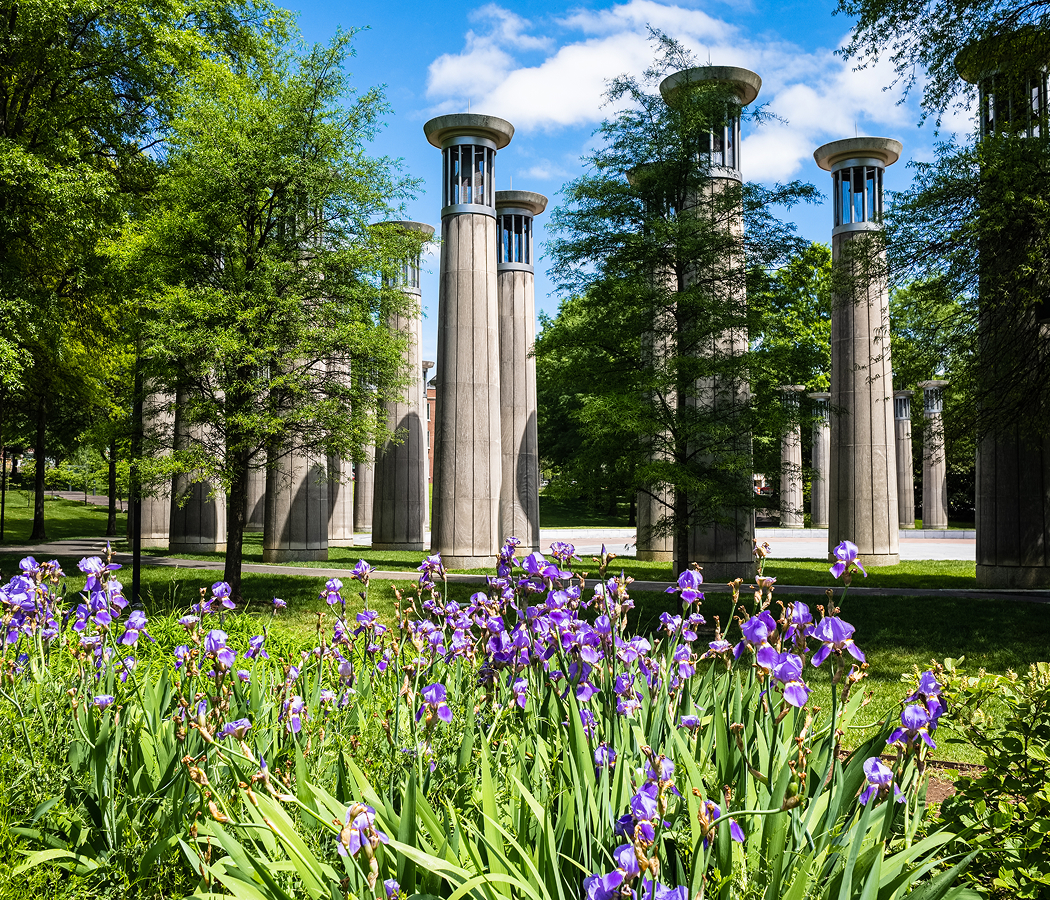
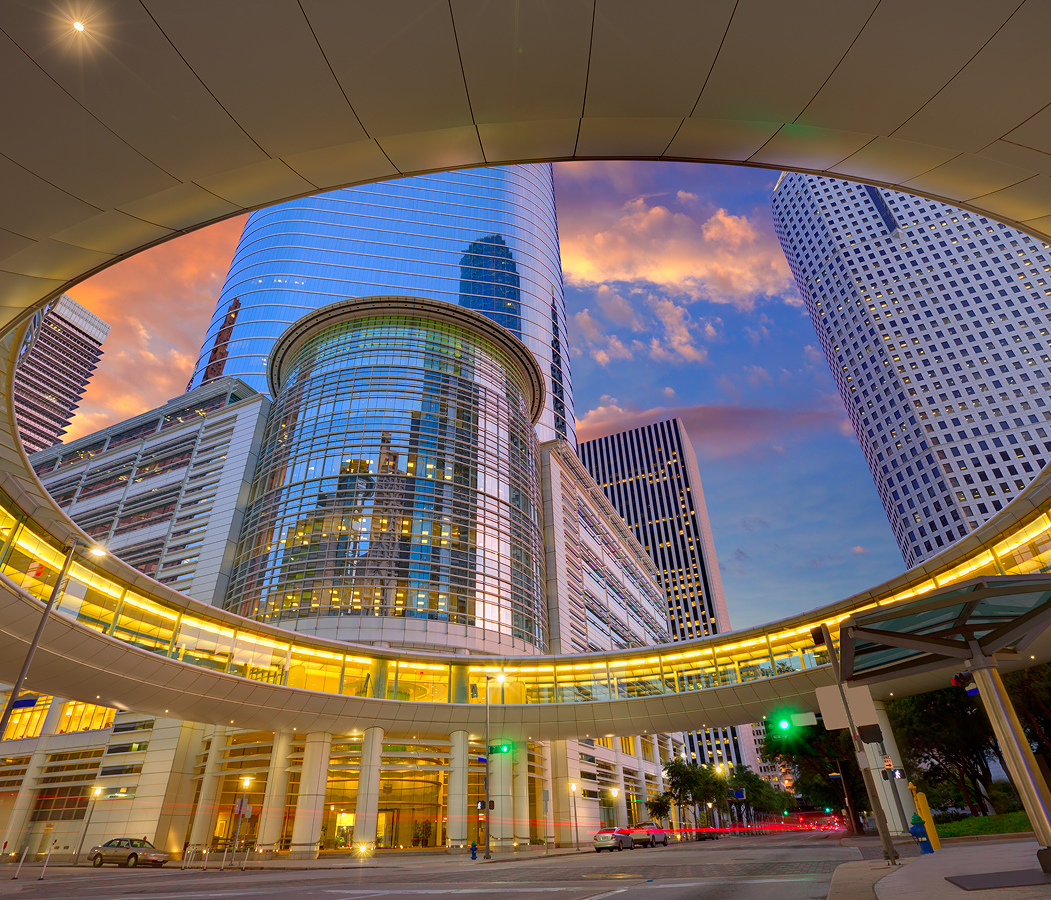
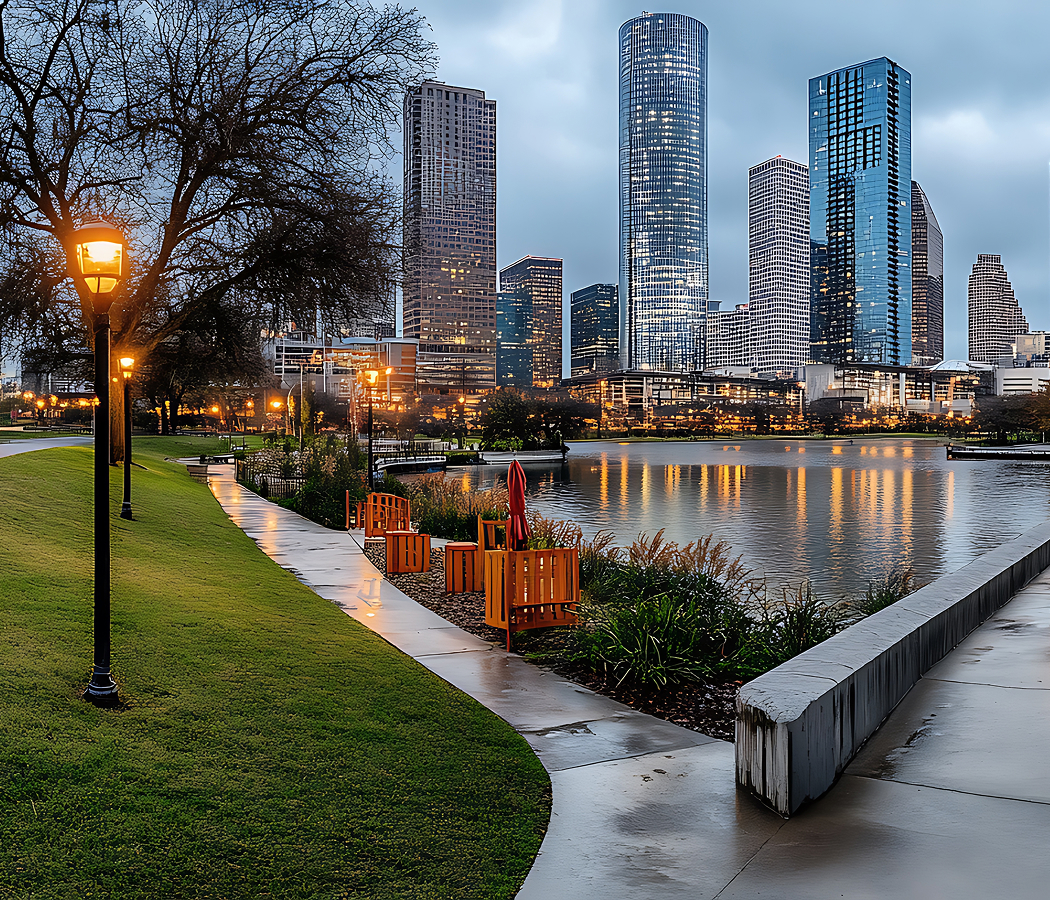
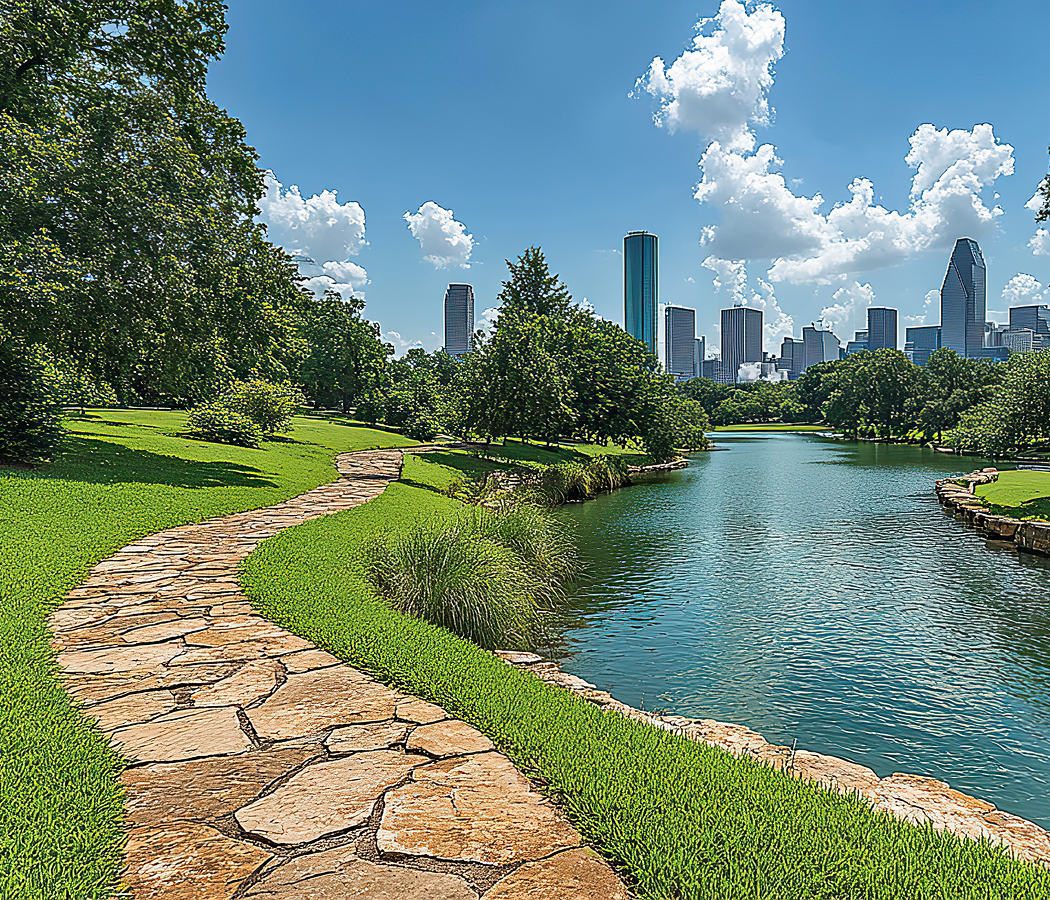
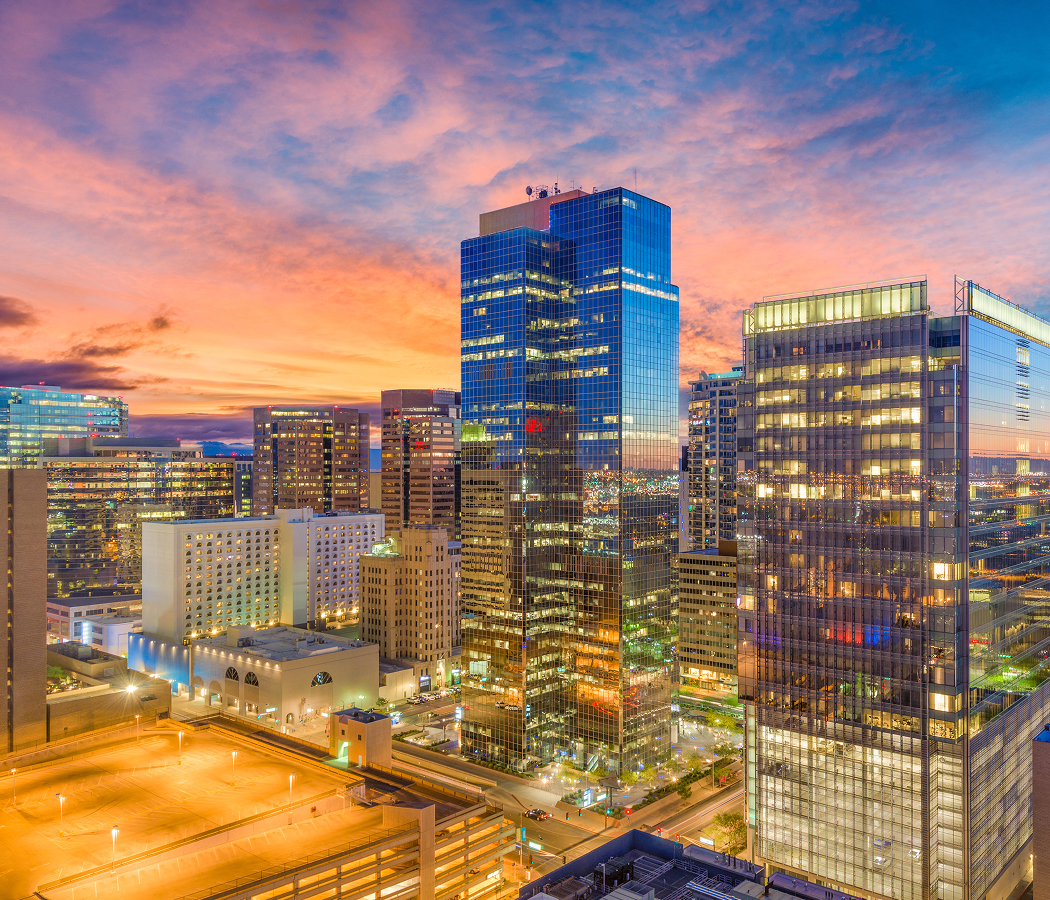
Running through North Burnet between Gateway and Windsor Hills, the corridor connects major employment centers, established neighborhoods, research campuses, retail destinations, and broad green spaces that collectively demonstrate Austin's transformation into an international technology hub. Contemporary office campuses, mature live oaks, landscaped boulevards, and expanding mixed employment districts create a setting where economic growth remains closely connected to long-term urban planning. Decades of investment have steadily reshaped the surrounding landscape while preserving important natural features and regional connectivity. The result is an experience defined by innovation, opportunity, and one of North Burnet's most significant corridors.
What defines Braker Lane.
Braker Lane is best known for serving as one of North Austin's principal transportation and employment corridors, supporting the emergence of the North Burnet/Gateway district following construction of Interstate 35 during the 1960s and the completion of Loop 1 (MoPac Expressway) in 1982, both of which accelerated large-scale commercial and technological development across northern Austin. The corridor anchors one of Texas' largest concentrations of technology employers, with nearby campuses operated by IBM, Apple, Dell Technologies, Oracle, Samsung Electronics, and numerous semiconductor, software, artificial intelligence, and cybersecurity firms that collectively helped establish Austin as a global innovation center. Braker Lane also benefits from its proximity to The Domain, opened in 2007 as one of Austin's largest mixed commercial districts, and Q2 Stadium, inaugurated in 2021 as the home of Austin FC, reinforcing the corridor's importance within the city's economic and cultural landscape. Nearby Walnut Creek and the eastern edge of the Balcones Escarpment contribute mature riparian woodland, limestone geology, native prairie remnants, and diverse wildlife habitats that remain integral components of North Austin's environmental character despite extensive urbanization. Collectively, the corridor's transportation history, technology leadership, commercial expansion, recreational investment, and ecological setting establish Braker Lane as one of Austin's defining modern corridors.
The North Burnet/Gateway Regulating Plan, adopted by the Austin City Council in 2009, established a nationally recognized structure for concentrating employment, housing, parks, and walkable urban development within one of Austin's fastest-growing districts. The nearby Walnut Creek watershed supports native riparian vegetation, migratory birds, aquatic ecosystems, and floodplain habitat extending across much of northern Travis County, reinforcing the environmental systems that continue shaping regional development. Extensive deposits of Cretaceous limestone beneath the corridor contribute to Central Texas' characteristic karst landscape, supporting groundwater recharge and native vegetation adapted to shallow calcareous soils. Together, these planning initiatives, natural systems, and geological foundations demonstrate how Braker Lane reflects a corridor where technological growth, environmental stewardship, and long-term urban vision remain closely interconnected.
How Braker Lane fits.
Braker Lane works as an exploration of North Austin's innovation economy, public spaces, and contemporary culture.
Begin at The Domain, where architecturally varied streets, public plazas, independent retailers, and nationally recognized brands introduce the commercial and technological energy that defines the surrounding district. Continue to Walnut Creek Metropolitan Park, where wooded trails, limestone creek crossings, and expansive natural habitat reveal the environmental landscape that has endured alongside North Austin's rapid urban growth. Conclude at Q2 Stadium, where Austin FC's home venue provides the historical payoff by illustrating how the city's modern economic expansion has fostered new civic traditions, international visibility, and a shared community identity. The progression moves naturally from a leading commercial district to protected urban green space before culminating at one of Austin's defining contemporary gathering places.
Where your story begins.
Foresyte Travel reveals places that feel extraordinary long before you arrive.
Enjoy editorial crafted for luxury travelers.
Foresyte may earn a commission when you book.