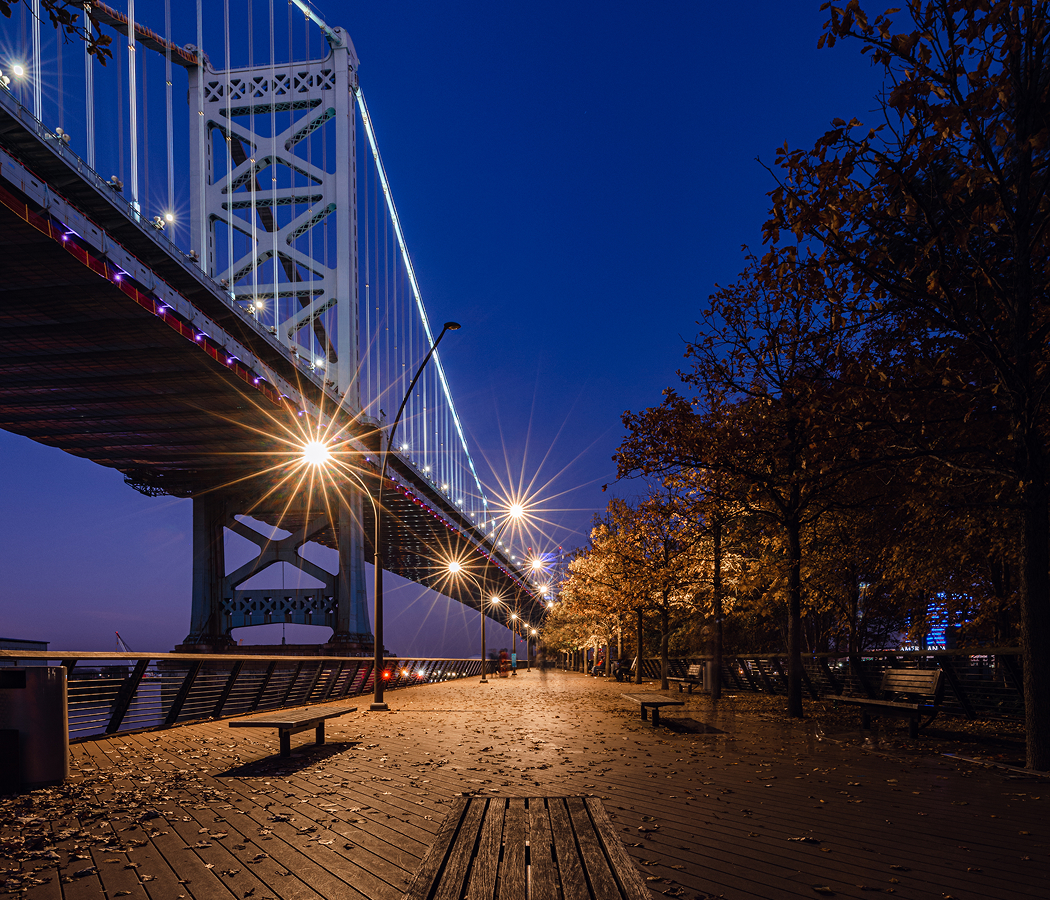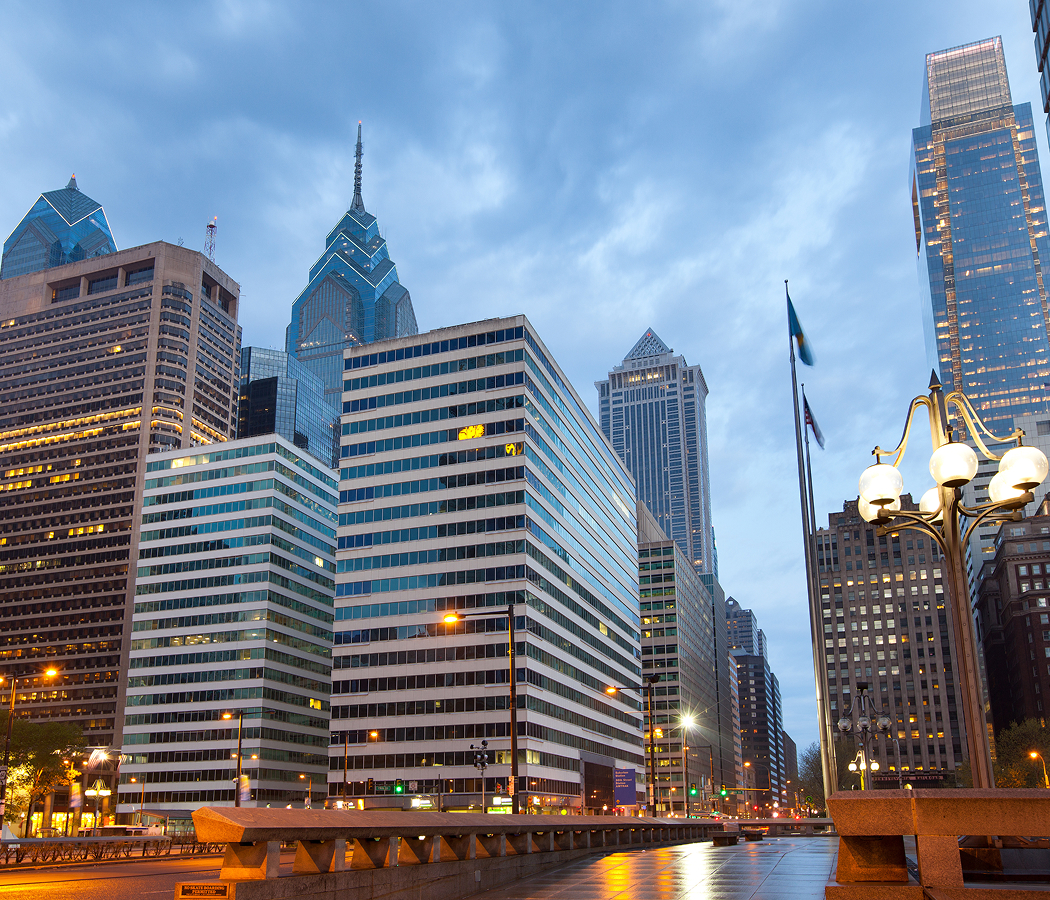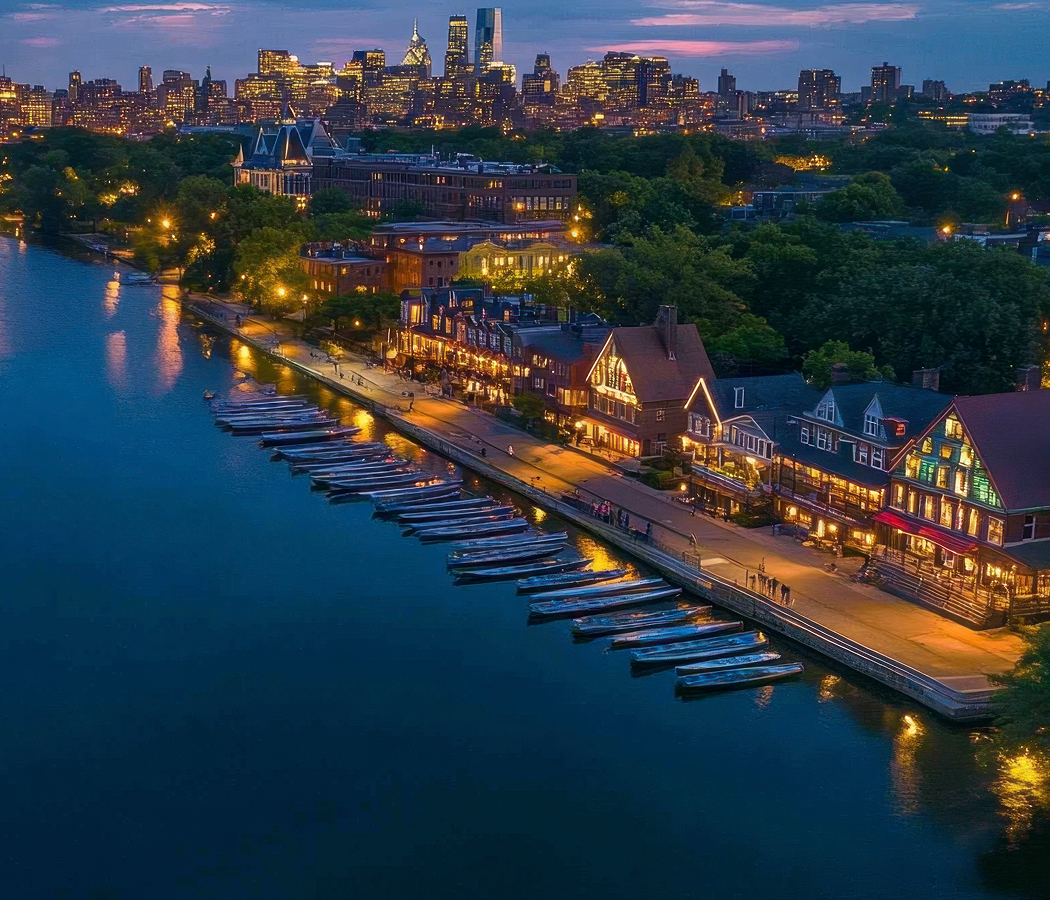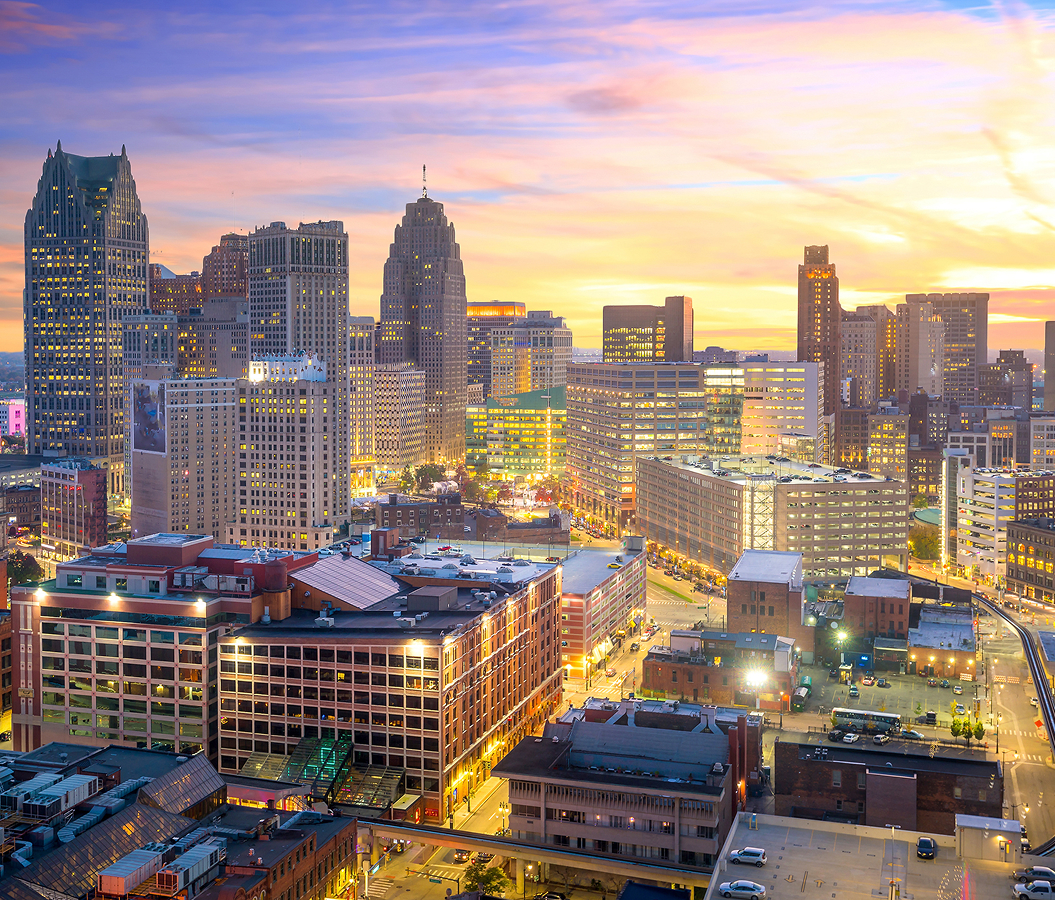
Why you should experience Catharine Street in Philadelphia, Pennsylvania.
Catharine Street is an elegant corridor where Bella Vista's immigrant heritage, architectural craftsmanship, neighborhood commerce, and enduring residential character define one of South Philadelphia's most engaging east-west streets.
Running through Bella Vista between Graduate Hospital and Queen Village, the corridor connects nineteenth-century rowhouses, neighborhood commercial blocks, religious institutions, and public gathering spaces that collectively reflect Philadelphia's evolution through immigration, skilled craftsmanship, and sustained residential investment. Successive blocks reveal how street railway expansion, artisan trades, and closely planned residential development established an avenue whose historic fabric continues shaping the surrounding neighborhood. Brick façades, marble stoops, mature street trees, and preserved masonry buildings document more than 150 years of architectural continuity. The result is an experience defined by refinement, continuity, and one of South Philadelphia's most enduring historic corridors.
What you should know about Catharine Street.
Catharine Street is best known for developing during Philadelphia's mid- and late nineteenth-century expansion as land beyond William Penn's 1682 city plan evolved into densely built residential neighborhoods serving the city's rapidly growing population. Completion of the Act of Consolidation of 1854 accelerated coordinated development across South Philadelphia, while horse-drawn streetcars and later electric railway service operated by the Union Traction Company and Philadelphia Rapid Transit Company strengthened connections with Center City, the Delaware River waterfront, and surrounding manufacturing districts. Builders introduced continuous rows of Federal, Italianate, Second Empire, and Queen Anne residences distinguished by red brick masonry, marble stoops, brownstone lintels, pressed-metal cornices, slate mansard roofs, decorative brick corbelling, cast-iron railings, and finely crafted wood interiors that reflected Philadelphia's accomplished nineteenth-century building trades. Waves of Italian, Irish, and Eastern European immigration established churches, mutual aid societies, neighborhood businesses, artisan workshops, and food markets that reinforced Bella Vista's cultural character while supporting a thriving residential community. Together, municipal consolidation, transportation expansion, Victorian architecture, immigrant enterprise, and sustained neighborhood investment established Catharine Street as one of Bella Vista's defining corridors.
Throughout the corridor, Catharine Thorn, whose given name inspired the street, remains connected to Philadelphia's colonial era through the prominent Thorn family, linking the avenue to some of the city's earliest patterns of landownership and urban growth. Nearby residential blocks preserve substantial concentrations of original nineteenth-century brick rowhouses whose carved brownstone lintels, decorative cornices, paneled entryways, and marble stoops continue expressing the craftsmanship of Philadelphia's master masons and woodworkers. Longstanding institutions including the Fleisher Art Memorial have strengthened the surrounding cultural landscape by supporting arts education, neighborhood engagement, and creative expression for more than a century. Together, colonial origins, enduring architectural craftsmanship, and established cultural institutions demonstrate how Catharine Street preserves successive chapters of Bella Vista's historical and civic identity.
How to fold Catharine Street into your trip.
Catharine Street works as an exploration of Bella Vista's architectural heritage, neighborhood traditions, and cultural character.
Begin at Italian Market, where generations of specialty merchants, produce vendors, and family-owned businesses introduce the commercial traditions that have long shaped Bella Vista's identity. Continue to Philadelphia's Magic Gardens, where Isaiah Zagar's expansive mosaic environment deepens appreciation for the neighborhood's creative spirit before naturally leading farther through the surrounding residential streets. Conclude at Physick House, where the preserved residence of physician Philip Syng Physick provides the historical payoff through Federal architecture, period interiors, and an intimate perspective on Philadelphia's early national era. Together, the sequence moves from neighborhood commerce to artistic expression before culminating in one of Philadelphia's finest preserved early American residences.
Where your story begins.
Foresyte Travel reveals places that feel extraordinary long before you arrive.
Experience premium editorial crafted for luxury travelers.