
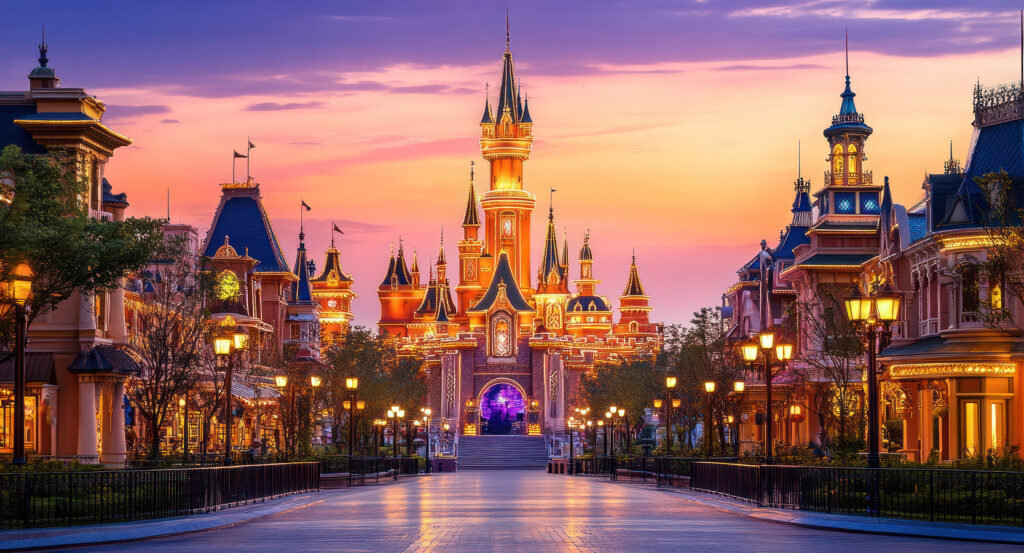
Why you should experience Courtyard by Marriott Zone Hotel in Shanghai, China.
Courtyard by Marriott Zone Hotel is a modern urban command center designed for travelers who value precision, predictability, and frictionless movement through a complex city, offering a stay that feels efficient, composed, and quietly confidence-building.
This is not a hotel that tries to seduce you with romance or overwhelm you with personality. Its strength lies in control. From the outset, the property communicates clarity of purpose. The exterior is contemporary and restrained, favoring clean geometry and professional scale over visual theatrics, signaling a hotel built for people who have places to be and time that matters. Arrival is streamlined, direct, and calm. You are not ushered into spectacle; you are oriented quickly and competently. Inside, the tone remains consistent. Public spaces are laid out with operational intelligence, prioritizing flow, legibility, and comfort. The lobby feels like a functional living environment rather than a showpiece, with seating zones that support short waits, informal meetings, or decompression between city movements. Materials skew modern and durable, chosen for longevity and ease. Lighting is balanced and forgiving, supporting both productivity and rest. Guest rooms extend this character with discipline and restraint. Layouts are logical and efficient, offering exactly what you need. Beds are comfortable and reliable, dressed in crisp linens that signal rest. Workspaces are genuinely usable, not symbolic, with proper lighting, power access, and seating that supports focus. Furnishings are contemporary and understated, selected to reduce visual noise and decision fatigue. Large windows frame authentic urban views, reminding you that you are embedded in the city. Bathrooms are modern, clean, and well organized, featuring walk-in showers or soaking tubs depending on room type, solid fixtures, and amenities chosen for consistency and quality. Everything functions as expected, which in a city like Shanghai is a quiet luxury. Dining reinforces the hotel's operational clarity. Restaurants and lounges are designed to support real routines: early mornings, working lunches, quick dinners, and informal evening conversations. Menus balance global familiarity with regional sensibility, prioritizing reliability, speed, and quality over culinary storytelling. Breakfast is structured to move volume without chaos, allowing you to fuel up and depart without stress. Service throughout the hotel is professional, responsive, and calm. Staff interactions are efficient and respectful, focused on solving needs. Requests are handled cleanly, questions are answered directly, and movement through the property feels supported. The location strengthens this experience. Courtyard by Marriott Zone Hotel is typically positioned within business-oriented districts or emerging urban zones, offering strong transit connectivity, proximity to offices or commercial centers, and access to everyday services. This makes it an ideal base for travelers balancing work, exploration, and recovery without wanting their accommodation to dominate their mental bandwidth. Courtyard by Marriott Zone Hotel is controlled, capable, and quietly empowering, ideal for travelers who want a hotel that works as hard as they do.
What you should know about Courtyard Zone Hotel.
Courtyard by Marriott Zone Hotel reflects a deliberate evolution of business-forward hospitality, shaped by behavioral data, traveler psychology, and the realities of modern urban movement.
The Courtyard brand globally was reimagined to respond to a specific type of guest: travelers who value autonomy, consistency, and efficiency over ceremony. In Shanghai, this philosophy becomes especially relevant. The city's scale, density, and velocity reward travelers who can operate with clarity and routine. Zone-branded Courtyard properties are designed to act as stabilizers within that environment. Spatial planning emphasizes predictability. Public areas are zoned to reduce congestion and support intuitive navigation. You never wonder where to go next. This is intentional. Behavioral studies show that minimizing micro-decisions in transitional spaces significantly reduces cognitive fatigue, especially for business and long-stay travelers. Materials and finishes are selected for durability and neutrality, allowing the environment to remain visually calm even under constant use. A lesser-known design priority is acoustic control. Walls, ceilings, and room placement are engineered to reduce noise bleed, ensuring that rest remains possible even during peak occupancy. This focus on sound management often goes unnoticed until it is absent, and here it is quietly effective. The guest room design reflects a similar philosophy. Rather than chasing trend-driven aesthetics, rooms are built around ergonomic logic and long-term usability. Lighting temperature, desk height, seating angles, and circulation paths are calibrated to support extended occupancy. Technology integration is pragmatic rather than flashy, prioritizing reliable connectivity and simple controls over novelty features. The hotel's food and beverage strategy also reveals its intent. Instead of positioning dining as a destination, it is treated as infrastructure. Menus are designed to be dependable, adaptable, and time-efficient, acknowledging that guests may be operating on schedules that change by the hour. Service training emphasizes situational awareness. Staff are taught to read intent quickly, responding differently to guests who want speed, guidance, or space. This flexibility allows interactions to feel natural. In a city like Shanghai, where travelers often move between meetings, districts, and time zones, this operational empathy matters. Courtyard by Marriott Zone Hotel does not attempt to tell a story about Shanghai. It recognizes that the city already has one, complex and loud. Instead, it provides a stable platform from which guests can engage that story.
How to fold Courtyard Zone Hotel into your trip.
Courtyard by Marriott Zone Hotel works best when treated as an operational base rather than an experiential centerpiece, allowing your energy to be spent on the city rather than managing your accommodation.
Begin your days efficiently. Breakfast is designed to support early starts without friction, letting you move directly from room to transit or meeting without recalibration. Use the hotel's predictable layout and services to establish rhythm quickly, especially if your schedule includes multiple districts or variable commitments. The hotel's positioning makes it easy to structure days around transit nodes, commercial centers, or emerging neighborhoods. Mid-day returns are particularly effective here. The rooms support quick resets, whether for calls, rest, or mental regrouping, allowing you to reenter the city with clarity. Evenings can be flexible. Some nights may involve quick dinners on property followed by early rest, while others lead outward into Shanghai's dining and cultural scenes, with the reassurance that your return will be uncomplicated and quiet. Over multiple days, the hotel's consistency becomes its greatest asset. You stop thinking about logistics. Routes become automatic. The environment fades into reliability. This frees cognitive space for work, exploration, or recovery. By the end of your stay, Courtyard by Marriott Zone Hotel will feel less like a place you noticed and more like a system that supported you, an invisible structure that made Shanghai feel navigable, controlled, and workable. It is best suited to travelers who understand that true comfort in a megacity is not performance, but stability.
Where your story begins.
Foresyte Travel reveals places that feel extraordinary long before you arrive.
Experience premium editorial crafted for luxury travelers.

















































































































