
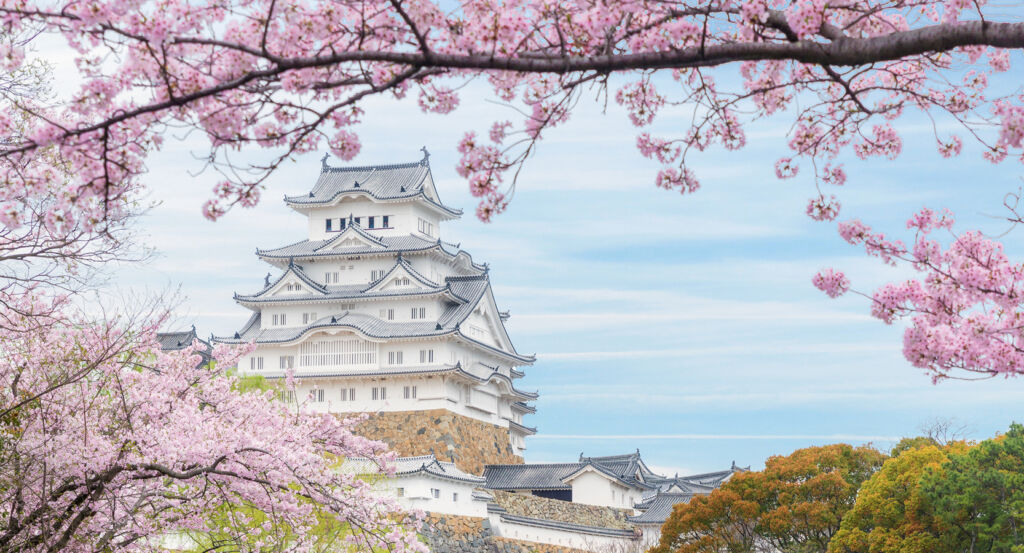
Why you should experience DoubleTree by Hilton Naha Shuri Castle in Okinawa, Japan.
DoubleTree by Hilton Naha Shuri Castle is a culturally anchored urban retreat that positions you moments from one of Okinawa's most resonant historic landmarks, creating a stay where heritage, neighborhood texture, and approachable comfort coalesce into a deeply purposeful visit.
Located a short walk from the UNESCO-inscribed Shuri Castle, a symbolic center of Okinawa's Ryukyu history, this hotel doesn't settle for generic proximity; it makes place matter from the first moment. Arrival feels intentional rather than incidental: you step off the lively Naha streets into an interior that bridges everyday city life with a quieter, heritage-aligned ambiance. The lobby balances approachable warmth with architectural clarity, materials nod to local character without decoration for its own sake, lighting supports orientation instead of theatrical mood, and circulation feels direct yet unhurried. Public spaces arc toward genuine utility rather than spectacle: seating designed for planning the day, lighting optimized for clear sightlines, and finishes that read both as modern and regionally sympathetic. Guest rooms reinforce this grounded sense of purpose with layouts that feel reserved yet generous in their ability to support work, rest, and reflection. Beds are well-tiered for true recovery after long days of exploration; furnishings emphasize usability and comfort without visual clutter; and surfaces intelligently balance modern refinement with tactile warmth. Windows frame views of urban rooftops, tree-lined streets, and sometimes distant hints of castle walls, anchoring you within Naha's productive tension between living neighborhood and historic terrain. Bathrooms are modern and straightforward, supporting routine with ease. Across the property, the experience feels purposeful, contextually attentive, and welcoming. DoubleTree by Hilton Naha Shuri Castle is ideal for travelers who want Okinawa to feel historically resonant, locally grounded, and consistently navigable, a city encountered through its textures, narratives, and lived intersections rather than as a backdrop for isolated experiences.
What you should know about DoubleTree Naha Shuri Castle.
DoubleTree by Hilton Naha Shuri Castle is best known for heritage adjacency and urban poise, a hospitality stance that treats cultural landscape and daily life as coequal partners in shaping guest experience rather than relegating one to décor and the other to transit.
Rather than framing itself as a stage set for heritage, the hotel weaves the presence of Shuri Castle and its historic precinct into orientation and rhythm. Spatial relationships matter: the invisible pull of the castle informs sightlines, pedestrian movement patterns, and even how light registers through common spaces. In practical terms, this means that routes from lobby to elevator to room feel guided by context rather than arbitrary circulation logic, a subtle but meaningful distinction that makes spatial navigation feel anchored rather than generic. Materials selected throughout the property emphasize balance. Surfaces are refined without being flashy; finishes resist visual fatigue rather than amplify it; and textiles are chosen for their calm tactility. Acoustic behavior reinforces this subtlety. Despite city adjacency and potential traffic noise, external sound is mediated into context rather than intrusion, making rooms feel quietly supportive of rest without physical isolation. Lighting strategy complements this restraint. Natural light enters shared and private spaces with gentle distribution; artificial lighting remains warm and consistent, shunning dramatic contrast in favor of visual coherence. This visual stability supports transitions throughout the day, from morning departures to evening returns. Service culture mirrors this context-aware approach. Interactions are courteous and precise rather than performative, offering local insight grounded in lived neighborhood knowledge rather than scripted tourism narratives. Staff act as navigators of place. Another strength of this property is how it reframes proximity to Shuri Castle over time. Day after day, the walk to the castle's gates, once a destination in itself, becomes a ritual that reveals layers of urban metabolism: neighborhood eateries, local shops, quiet side streets, and micro-moments of Okinawan life that live between tourist flows and resident rhythms. The hotel does not rely on Okinawan heritage as decorative theme or surface narrative. Instead, it captures a peer relationship between place and presence: the environment informs experience, and experience informs how the environment feels. This is a subtle but powerful shift: the city is not served to you as spectacle; it is integrated into your daily movement.
How to fold DoubleTree Naha Shuri Castle into your trip.
DoubleTree by Hilton Naha Shuri Castle works best when you treat it as a home base for layered engagement, a place that supports repeated returns, incremental discoveries, and a sense of place that deepens through everyday movement.
Begin your mornings with intention. Step out toward Shuri Castle early before crowds build, walking streets that reveal neighborhood character, corner cafés where locals start their day, quiet residential stretches, and small shrines tucked between modern buildings. Each return to the hotel midday feels like a meaningful pause rather than a reset forced by fatigue: grab a shower, sit briefly in the lounge, or simply orient yourself before the next engagement. Afternoons lend themselves to textured exploration. Venture into Naha's market corridors, public parks, or coastal edges, knowing that your base is consistent and welcoming. The hotel's contextual orientation means returns feel seamless. Evenings at DoubleTree by Hilton Naha Shuri Castle unfold with flexibility. Dine at nearby izakaya and street-front eateries where menus shift with local harvests; take a slow stroll toward Kokusai Street for nightlife; or settle into the hotel's quieter spaces for low-light decompression. For longer stays, the advantages compound. Naha begins to feel navigable rather than sprawling; neighborhoods become familiar rather than foreign; presence becomes sustainable rather than exhausting. Business travelers benefit from the hotel's dependable environment and contextual ease, preserving focus between obligations. Leisure travelers gain resonant bandwidth, the freedom to explore without mental friction, and a sense of Okinawa that feels lived instead of observed. Anchoring your stay at DoubleTree by Hilton Naha Shuri Castle allows Okinawa to be encountered as a city of layers rather than moments, where heritage, neighborhood life, and urban texture cohere into a richer, more grounded experience. The hotel does not compete with resort islands or luxury statements; it offers something equally valuable: contextual presence, a stay that feels rooted, accessible, and connected to the rhythms of place itself.
Where your story begins.
Foresyte Travel reveals places that feel extraordinary long before you arrive.
Experience premium editorial crafted for luxury travelers.

















































































































