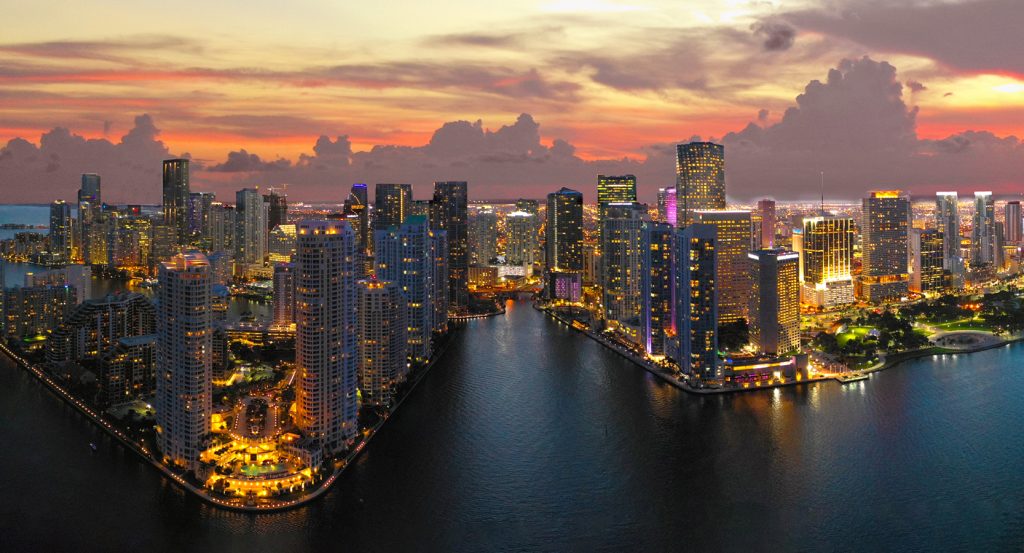
Why you should experience Drexel Avenue in Miami, Florida.
Drexel Avenue is a distinctive corridor where Flamingo/Lummus' architectural heritage, tropical streetscape, neighborhood culture, and coastal character continue defining one of South Beach's most engaging residential avenues.
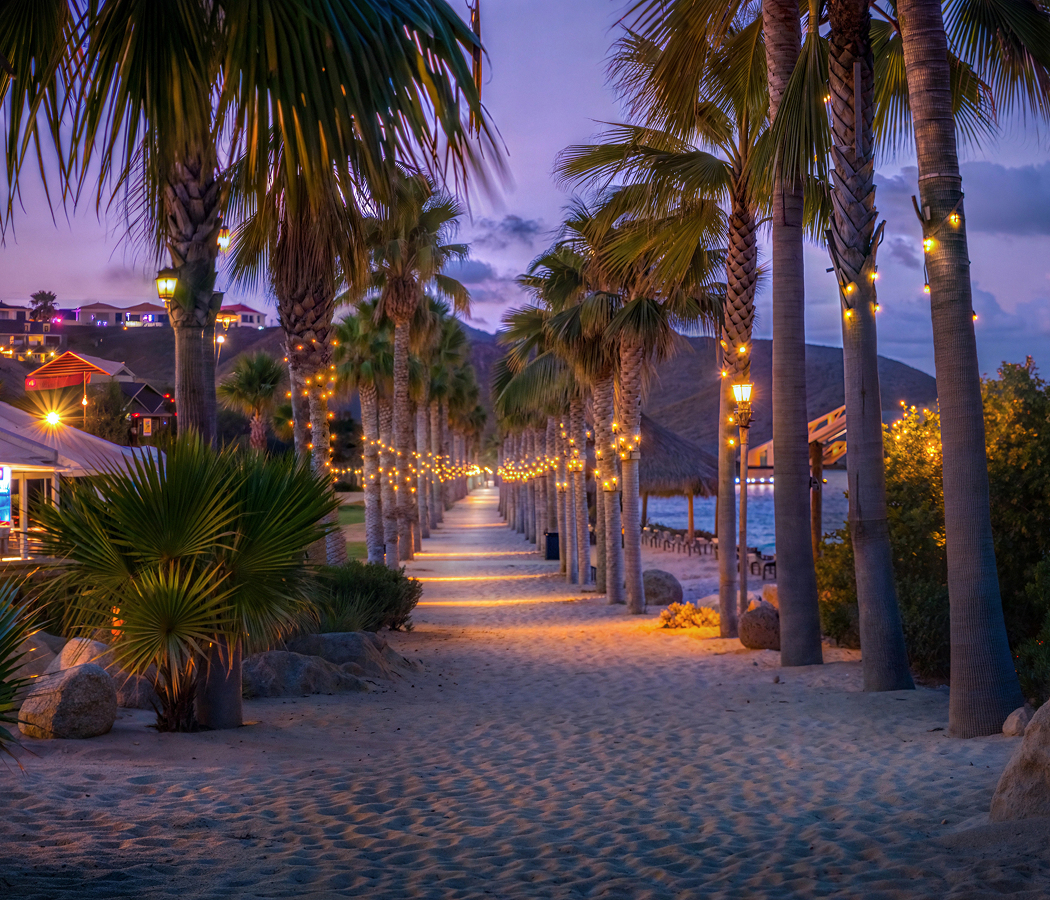
Running through Flamingo/Lummus between South of Fifth and City Center, the corridor links architect-designed apartment buildings, boutique hotels, neighborhood institutions, palm-lined sidewalks, and shaded residential blocks that collectively reflect Miami Beach's remarkable architectural evolution during the twentieth century. Art Deco façades, Mediterranean Revival residences, Streamline Moderne buildings, and mature tropical landscaping create a streetscape where preservation and neighborhood character remain closely intertwined. Throughout the corridor, carefully maintained buildings, established public spaces, and enduring architectural traditions reinforce a setting shaped by thoughtful stewardship across successive generations. The result is an experience defined by elegance, walkability, and one of South Beach's most architecturally rewarding corridors.
What you should know about Drexel Avenue.
Drexel Avenue is best known for passing through the Miami Beach Architectural District, listed on the National Register of Historic Places in 1979 as the first historic district in the United States recognized primarily for twentieth-century resort architecture. Construction surrounding the corridor accelerated between the 1920s and 1940s as Carl G. Fisher's vision for Miami Beach encouraged compact residential blocks featuring Mediterranean Revival, Art Deco, and Streamline Moderne apartment buildings, courtyard residences, and hospitality properties. Architects including Henry Hohauser, L. Murray Dixon, Anton Skislewicz, Albert Anis, and Lawrence Murray shaped the surrounding streetscape through curved façades, glass block, ribbon windows, terrazzo entrance courts, porthole windows, and geometric ornamentation that established the city's internationally recognized architectural identity. Drexel Avenue developed within a carefully planned street grid emphasizing pedestrian connectivity, narrow setbacks, generous sidewalks, and landscaped rights-of-way that continue distinguishing South Beach from later automobile-oriented development. Royal palms, live oaks, gumbo limbo, sea grape, silver buttonwood, and flowering tropical understory reinforce the subtropical landscape that has long characterized the corridor.
The Art Deco Welcome Center, established by the Miami Design Preservation League, has contributed significantly to documenting and interpreting the surrounding collection of twentieth-century architecture while supporting preservation efforts throughout South Beach. Local historic designation administered by the City of Miami Beach continues protecting contributing buildings through architectural review standards that preserve original massing, decorative features, and significant exterior materials. Oolitic limestone, decorative cast stone, terrazzo flooring, steel casement windows, glazed ceramic tile, and hand-forged wrought iron incorporated throughout neighboring historic structures demonstrate the craftsmanship and regional materials that continue defining this section of Miami Beach. Together, these preservation initiatives, architectural practices, and enduring construction traditions deepen the historical narrative established by Drexel Avenue, demonstrating why the corridor remains an important expression of South Beach's architectural legacy.
How to fold Drexel Avenue into your trip.
Drexel Avenue works as a walk through South Beach's architecture, cultural heritage, and coastal atmosphere.
Begin at Lummus Park, where broad Atlantic views, winding beachfront pathways, and mature palms establish an inviting introduction before following Drexel Avenue through the surrounding historic streets. Continue to The Wolfsonian-FIU, whose internationally respected collections of architecture, industrial design, and decorative arts broaden the appreciation for the creative influences that shaped South Beach during the twentieth century. Conclude at Flamingo Park, where expansive green space, historic recreational facilities, and lush tropical landscaping provide the culminating reward by revealing another dimension of the neighborhood beyond its celebrated architecture. The progression moves naturally from the shoreline through internationally significant design collections before concluding within one of South Beach's most cherished public spaces, revealing how Drexel Avenue connects architecture, culture, and landscape across the heart of the city.
Where your story begins.
Foresyte Travel reveals places that feel extraordinary long before you arrive.
Experience premium editorial crafted for luxury travelers.