Why Glenwood Cemetery matters.
Glenwood Cemetery is a historic garden cemetery where Washington Corridor's architectural elegance, civic legacy, and reverence for Houston's founders have created one of the city's most distinguished historic landmarks.
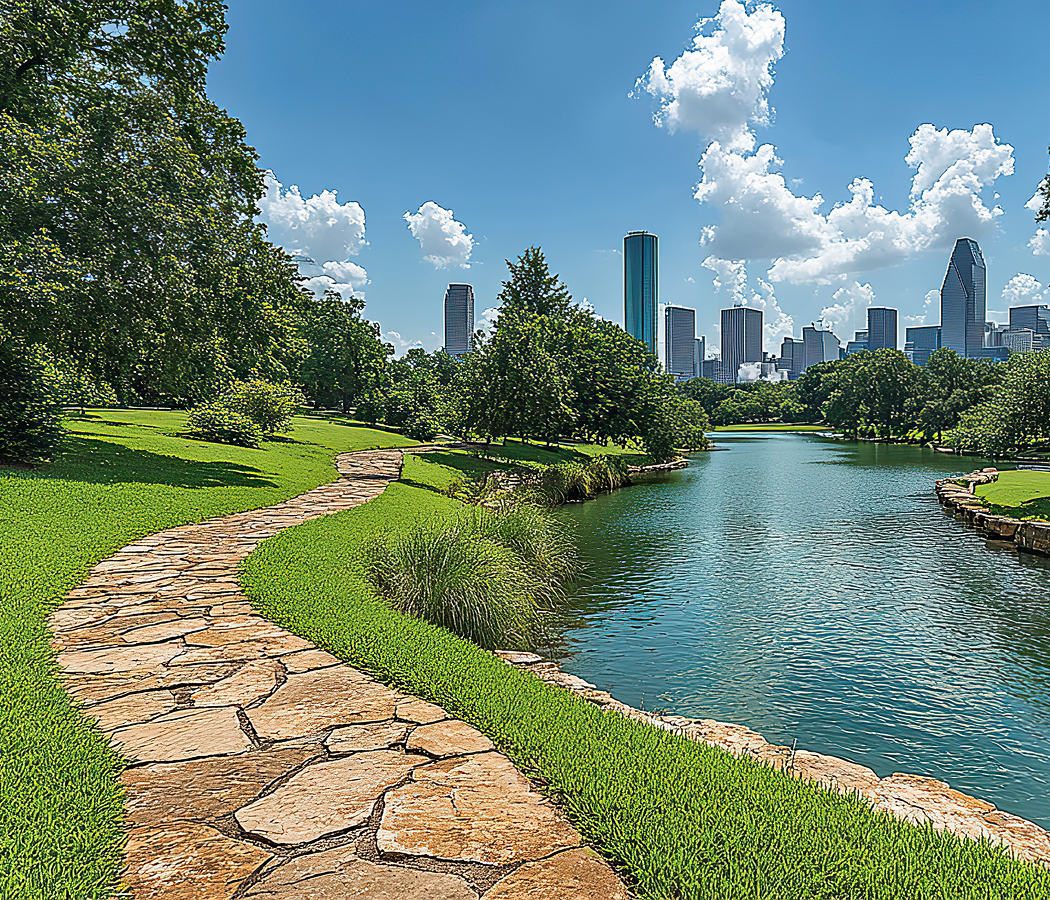
Set along Washington Avenue near Memorial Drive and just steps from Buffalo Bayou Park, this landmark overlooks the winding bayou from beautifully landscaped grounds where Victorian monuments, mature live oaks, ornamental gardens, and remarkable funerary architecture preserve the stories of Houston's most influential citizens. Quiet pathways, sculpted memorials, rolling hills, and panoramic views create an atmosphere of reflection while celebrating more than a century of Texas history. Since its establishment, Glenwood Cemetery has remained one of Houston's most revered historic landscapes. The result is a landmark defined by beauty, remembrance, and extraordinary historical significance.
What defines Glenwood Cemetery.
Glenwood Cemetery is best known for opening in 1871 as Houston's first professionally designed garden cemetery, becoming the final resting place of founders, governors, military leaders, and business pioneers who shaped the city's development.
Established in 1871, Glenwood Cemetery introduced the principles of the nineteenth-century garden cemetery movement, combining scenic landscaping with carefully planned roads, ornamental plantings, and expansive funerary art overlooking Buffalo Bayou. Over the following generations, the cemetery became the burial place of many of Houston's most prominent figures, including Howard Hughes Sr., Annise Parker, James A. Baker Jr., and numerous governors, mayors, and civic leaders whose influence extended across Texas and the nation. Its exceptional landscape design and concentration of historically significant burials have established Glenwood as one of the South's most important historic cemeteries. Few cemeteries in Texas preserve such a remarkable record of the individuals who built and transformed a major American city.
How Glenwood Cemetery fits.
Glenwood Cemetery works as an exploration of Houston's remarkable blend of history, architecture, and scenic public spaces.
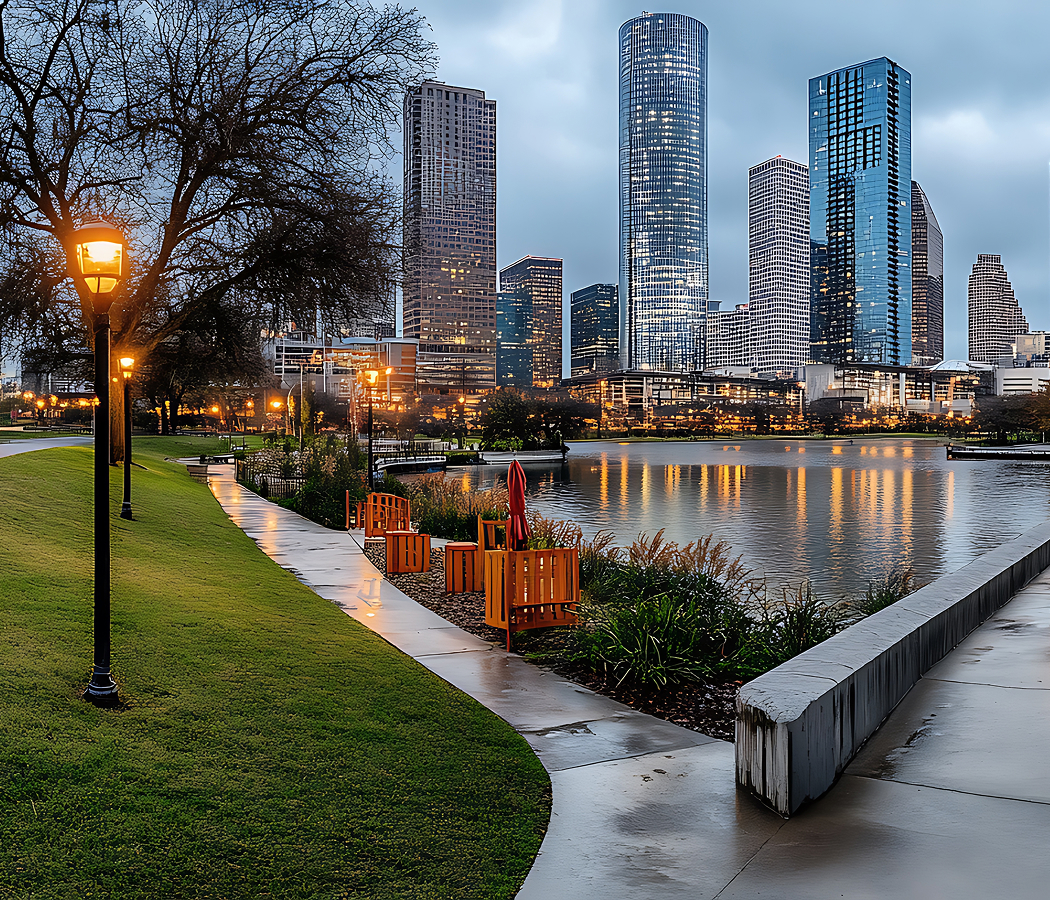
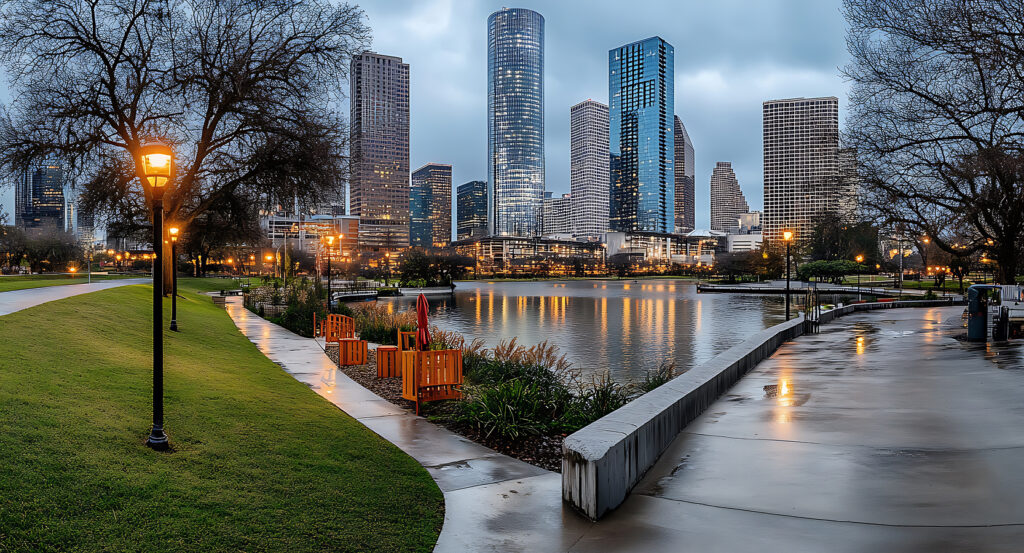
Begin at Glenwood Cemetery, where beautifully landscaped grounds and extraordinary memorial architecture immediately establish the landmark's historical importance. Continue to Buffalo Bayou Park, whose award-winning trails, public art, and skyline views reveal the natural landscape that has shaped Houston since its founding. From there, conclude at The Water Works at Buffalo Bayou Park, Houston, where restored historic infrastructure and energetic public gathering spaces provide a memorable finale to an afternoon shaped by history, architecture, and urban renewal. Along the route, historic monuments, wooded pathways, scenic overlooks, public art, landscaped gardens, recreational trails, and preserved civic landmarks demonstrate how this part of Houston continues to celebrate both its natural beauty and its remarkable past. The progression moves naturally from Houston's most historic cemetery to its signature urban park before concluding at one of the city's finest adaptive reuse projects, revealing why Glenwood Cemetery remains one of Houston's defining historic landmarks.
Where your story begins.
Foresyte Travel reveals places that feel extraordinary long before you arrive.
Enjoy editorial crafted for luxury travelers.
Foresyte may earn a commission when you book.