
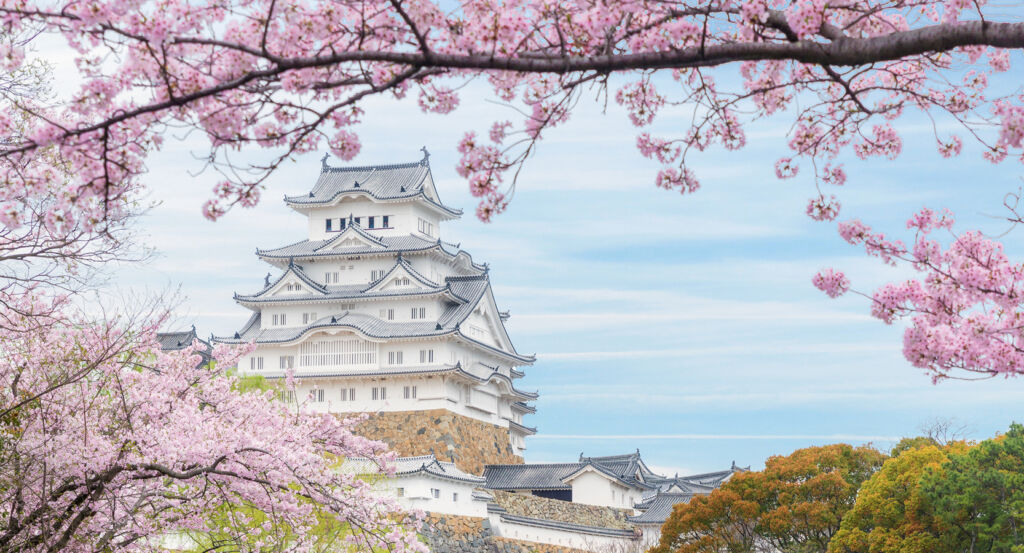
Why you should experience Grand Mercure Okinawa Cape Zanpa Resort in Okinawa, Japan.
Grand Mercure Okinawa Cape Zanpa Resort is a headland resort that is defined by exposure rather than enclosure, placing you at the raw edge of Okinawa where wind, cliffs, and open sea actively shape how you move, rest, and perceive time.
Set on the dramatic western cape of Okinawa near Zanpa Misaki Lighthouse, this resort occupies a piece of land that feels geologically assertive. You are not tucked into a bay or buffered by soft shoreline curves; you are positioned on a protruding edge where the island meets the East China Sea. Arrival carries a subtle sense of elevation and openness, roads widen, vegetation thins, and sky begins to dominate your visual field. The property itself reflects this geography. Public spaces feel outward-facing and horizon-oriented, with broad windows, open corridors, and terraces that frame uninterrupted sea. The environment immediately signals that this is a place governed by elements, not performance. Wind moves freely. Light changes rapidly. Even silence here feels expansive. Interiors are composed to balance that exposure with stability. Materials feel solid and grounding, stone, restrained finishes, and surfaces chosen to visually anchor you rather than compete with the surrounding vastness. Seating and circulation are practical and unfussy, allowing you to pause, observe, and recalibrate. Guest rooms continue this logic of contrast between exposure and refuge. Layouts are generous and uncluttered, giving your body room to decompress after long periods of visual and physical openness. Beds are positioned to support deep rest rather than view theatrics, while windows and balconies reintroduce the sea on your own terms. Furnishings are quiet and functional, encouraging use. Bathrooms are straightforward and efficient, reinforcing the sense that this resort prioritizes restoration over indulgence. Across the property, the experience feels expansive, stabilizing, and fundamentally shaped by geography. Grand Mercure Okinawa Cape Zanpa Resort is ideal for travelers who want Okinawa to feel wide, elemental, and physically present, a place encountered through exposure, distance, and repetition.
What you should know about Grand Mercure Okinawa Cape Zanpa Resort.
Grand Mercure Okinawa Cape Zanpa Resort is best known for topographic presence, a hospitality approach that allows the physical characteristics of land and sea to dictate experience rather than attempting to soften or neutralize them.
The resort's position near Cape Zanpa is not incidental. Headlands behave differently than beaches: wind patterns are stronger, light shifts more dramatically, and the sea reads as infinite. The resort does not attempt to domesticate these forces. Instead, it acknowledges them through spatial planning and material restraint. Public areas are oriented to give you uninterrupted sightlines toward the horizon, reinforcing a sense of scale that recalibrates attention. Circulation paths feel deliberate and grounded, preventing the disorientation that can occur in wide-open environments. Materials throughout the property are selected to counterbalance exposure. Surfaces feel weighty and tactile, finishes are matte rather than reflective, and textures absorb sound rather than amplify it. This creates interior environments that feel stabilizing even as the exterior landscape remains active. Acoustic behavior is particularly notable. Wind and distant surf remain perceptible but softened, allowing environmental context to persist. Lighting strategy reinforces this grounding effect. Daylight enters generously but evenly, avoiding harsh contrast that could fatigue the eye in such an exposed setting. After sunset, artificial lighting remains steady and warm, supporting a sense of enclosure without isolating you from the surrounding darkness. Service culture reflects this same respect for environment. Interactions are calm, efficient, and unforced. Staff do not oversell experiences or impose narrative; they respond to conditions, weather, visibility, sea state, with practical guidance. Another understated dimension of this resort is how it reframes the concept of “view.” The sea here is not decorative. It is constant, sometimes severe, sometimes luminous, always present. Over multiple days, you stop photographing it and start orienting by it. Time begins to feel marked by wind shifts, cloud movement, and light angle. The nearby lighthouse reinforces this sensibility, a reminder that this landscape has long been about navigation, orientation, and endurance. The resort does not rely on Okinawan motifs or romanticized island imagery. Its character is rooted in a deeper truth: some places restore you not by softness, but by scale.
How to fold Grand Mercure Okinawa Cape Zanpa Resort into your trip.
Grand Mercure Okinawa Cape Zanpa Resort works best when you treat it as a geographic anchor, a place that intentionally slows perception and resets scale.
Begin your mornings with exposure. Step outside early when wind is strongest and light is cleanest, and allow the openness of the cape to establish your internal pace. From this base, days can unfold. Walk the coastal paths near Zanpa Misaki, visit the lighthouse, or simply observe how the sea behaves differently from hour to hour. Midday is ideal for retreating inward. Return to the resort, close curtains if needed, and let the interior's grounding qualities support rest. Afternoons can flex between light exploration and stillness, short drives to nearby villages, quiet meals, or unstructured time spent watching the horizon. Evenings at the resort are best approached with restraint. Dine without rushing, then step outside again as light drains from the sky and the sea darkens into abstraction. The contrast between interior stability and exterior vastness becomes most pronounced at night, reinforcing the resort's unique psychological rhythm. Over longer stays, this pattern has a cumulative effect. Thoughts slow. Attention widens. You begin to feel less compelled to “do” and more inclined to simply orient yourself within space. Business travelers benefit from this recalibration, finding mental clarity through scale. Leisure travelers discover a rare form of restoration, one that comes from exposure to something larger than comfort itself. Anchoring your stay at Grand Mercure Okinawa Cape Zanpa Resort allows Okinawa to be encountered not as a postcard island, but as a landform with edges, forces, and depth. The resort does not attempt to entertain or distract. It offers something more enduring: a relationship with place that is physical, honest, and quietly transformative, where rest comes not from insulation, but from standing at the edge and letting the horizon do its work.
Where your story begins.
Foresyte Travel reveals places that feel extraordinary long before you arrive.
Experience premium editorial crafted for luxury travelers.

















































































































