
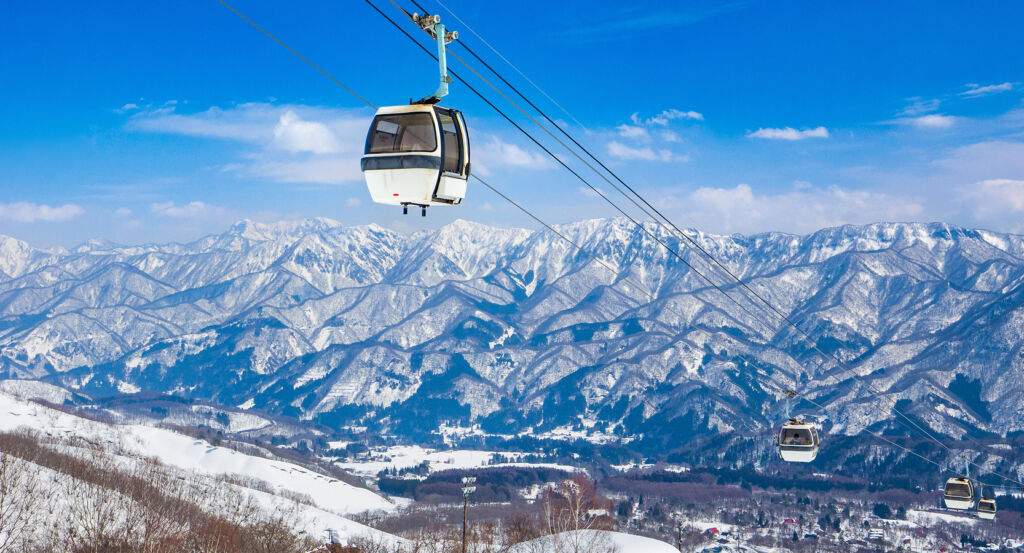
Why you should experience Hakuba Panorama Hotel in Japan.
Hakuba Panorama Hotel is where village life, mountain views, and easygoing comfort meet in a way that feels refreshingly honest, wonderfully convenient, and perfectly balanced between the calm of nature and the energy of Hakuba's most walkable district.
Set on a gentle rise above Happo Village, Hakuba Panorama Hotel more than lives up to its name, with windows, balconies, and common spaces opening to sweeping views of the Northern Alps, crisp winter landscapes, and the slow, scenic rhythm of village life below. The hotel occupies a rare sweet spot: elevated enough to feel serene and scenic, yet close enough to walk to lifts, shops, restaurants, cafés, rental stores, shuttle stops, and everything that makes Happo Village hum. From the outside, the hotel is warm and inviting, classic alpine styling, soft lighting, natural wood tones, clean lines, and a setting that captures the quiet charm of Hakuba's winter-white streets. Step inside and the atmosphere becomes friendly, relaxed, and instantly comfortable: welcoming staff, open layouts, bright natural light, warm wooden textures, and an easy mountain aesthetic that strikes a balance between hotel polish and home-like familiarity. Rooms continue this approach, offering bright, clean, comfortable spaces with soft bedding, large windows, warm lighting, and a simplicity that feels refreshing after a long day on the slopes. Expect mountain or village views, tidy layouts, cozy seating, and bathrooms designed for easy morning and evening routines. The décor leans modern, minimal, and calming, exactly what you want when you're returning with tired legs and a full heart after carving through Hakuba's famous powder. What sets Hakuba Panorama Hotel apart is its location and flow. You can walk to the Happo gondola, to restaurants, to bars, to ski shops, to cafés, and to the village's lively evening scene, without needing a shuttle for most of your stay. Yet the hotel's elevated perch gives it a peaceful, slightly tucked-away feel, as if you're looking down on the world from a comforting vantage point. That's rare in Hakuba, and it's part of what makes the hotel's experience so memorable. Breakfast is another bright spot: an energizing spread of Japanese and Western dishes, eggs, pastries, fruit, miso soup, rice, grilled fish, yogurt, salads, vegetables, breads, cereal, and warm specialties designed to prepare you for full days outdoors. Mornings unfold in a sunlit dining room, where chatter is soft, the coffee is hot, and skiers and riders gather with anticipation before heading out. The hotel's lounge and shared areas create a relaxed, social energy. Travelers read, chat, sip drinks, plan the next day, or recharge between runs. Because the hotel attracts an international crowd, you often hear a gentle mix of languages, English, Japanese, Chinese, French, Australian accents, giving the space a cosmopolitan but friendly setting. A highlight for many guests is the hotel's access to nearby onsens. While Hakuba Panorama does not operate its own hot spring, it sits extremely close to public footbaths and larger bathhouses in the village, making evening soaks easy and convenient.
What you did not know about Hakuba Panorama Hotel.
Hakuba Panorama Hotel sits on land shaped by glacial retreat, ancient settlement, mountain faith, early trade networks, and the quiet evolution of Hakuba from a rural agricultural village into an international mountain destination.
Happo Village, the district immediately surrounding the hotel, lies on a broad alluvial terrace formed by glacial meltwater thousands of years ago. During the last ice age, massive glaciers carved the valley into deep bowls and dramatic ridges. As they melted, they deposited gravel, sand, and mineral-rich soil into the lower basin, creating the gently sloping terrain on which the hotel now stands. This terrace became some of Hakuba's earliest farmland, long before tourism existed, a fertile strip where rice paddies, barley fields, and vegetable plots once dominated the landscape. The mountains rising behind the hotel, Hakuba-Yari, Goryu, Karamatsu, and Shirouma, owe their shape to tectonic collision at the boundary of three major plates: the Okhotsk, Eurasian, and Philippine Sea Plates. These towering peaks, formed over millions of years, now define the breathtaking views that the hotel frames so perfectly through its windows. Hakuba's renowned snowfall is also part of this geological story. Cold Siberian winds travel across the Sea of Japan, gather moisture, and crash into the Alps, releasing enormous quantities of dry powder. The wide basin where the hotel sits provides a clear view of these snow systems rolling into the valley, a rare perspective that makes the “panorama” in the hotel's name more than just branding. The earliest human presence in the region dates back to the Jōmon period more than 5,000 years ago. Archaeologists have uncovered pottery, tools, and ritual objects in the area, showing that early people lived seasonally in the valley, fishing rivers, hunting in forests, and gathering herbs at the foot of the mountains. Their reverence for nature created the spiritual roots that later evolved into mountain worship traditions. Hakuba became a site of Shugendō, a syncretic religion blending Shinto, Buddhism, and animism. Yamabushi monks climbed the surrounding peaks for spiritual training, endurance rituals, and purification rites. Footpaths leading toward sacred mountains once passed through what is now Happo Village, meaning the land beneath Hakuba Panorama Hotel was traversed by spiritual pilgrims long before skiers ever arrived. The valley also played a role in the Chikuni Kaidō, the historic Salt Road that linked coastal towns to inland provinces. Traders carried salt, fish, textiles, tools, and cultural ideas across the mountains. Inns, waystations, and simple farmhouses offered rest to travelers, helping establish the region's early hospitality culture. Agriculture shaped the village long before skiing did. The flat terrain around the hotel supported rice fields and seasonal crops. Irrigation channels once crossed the area, feeding paddies and orchards. Though much of that farming land has evolved into roads, hotels, and shops, the cultural imprint remains, in local cuisine, seasonal rhythms, and community festivals. Wildlife thrives around the hotel: macaques meander through the village edges, deer graze near riverbanks, foxes trot along quiet backstreets at dawn, owls hunt in nearby forests, and migratory birds follow ancient paths through the basin.
How to fold Hakuba Panorama Hotel into your trip.
Hakuba Panorama Hotel becomes the bright, scenic, effortlessly placed anchor of your Hakuba stay, a hotel where mornings begin with valley-wide light, days unfold into adventure, and evenings settle into village rhythm and mountain calm.
Begin your morning by opening your curtains to panoramic views: snow-covered roofs in winter, green meadows in summer, and the Northern Alps rising in jagged brilliance behind it all. Head to breakfast for a warm, energizing spread of Japanese and Western dishes, miso soup, rice, grilled fish, pastries, eggs, fruit, yogurt, vegetables, warm breads, and coffee that wakes your senses gently. After breakfast, stroll to the Happo-One gondola or grab a shuttle to explore other Hakuba mountains, Goryu, 47, Iwatake, Tsugaike, Cortina, or Norikura. In winter, spend your days carving long groomers, floating through powder, exploring tree runs, or riding gondolas to breathtaking alpine ridges. Stop at mountaintop huts for steaming ramen or curry rice before gliding back toward the village. If you prefer slow winter days, wander through shops, warm up in cafés, soak in nearby onsens, or explore snowy riverside paths. In summer, the hotel becomes a perfect base for hiking, biking, lake visits, gondola rides, ridge walks, shrine exploration, and scenic drives through the valley. After the outdoor adventures, return to your room to rest and refresh. Then stroll out for dinner, restaurants, izakayas, ramen shops, Italian kitchens, cafés, grills, and international eateries are all within walking distance. After dinner, unwind in the lounge, sip a drink, read, plan the next day, or step outside for a quiet nighttime walk under a sky full of stars. Return to your room for soft lighting, warm bedding, and peaceful sleep as the village settles into silence. Hakuba Panorama Hotel becomes not just where you stay, but the easygoing, scenic, perfectly placed heart of your entire Hakuba journey.
Where your story begins.
Foresyte Travel reveals places that feel extraordinary long before you arrive.
Experience premium editorial crafted for luxury travelers.

















































































































