
Why you should experience Hakuba Yamano Hotel in Japan.
Hakuba Yamano Hotel is where Japanese mountain tradition meets warm chalet charm, creating a stay that feels both endearingly nostalgic and quietly elevated, wrapped in the calm, pastoral beauty of Hakuba's alpine foothills.
Located in the foothill slope of Hakuba's iconic Happo-One ski area, Hakuba Yamano Hotel radiates a gentle, lived-in warmth, the kind of place where wooden halls echo faintly with history, where the scent of timber and hot spring steam mingles in the air, and where the mountains feel close enough to touch. This is a hotel built from sincerity rather than performance, shaped by decades of welcoming travelers who seek the comfort of authentic Japanese hospitality combined with the rustic ease of an alpine lodge. Step inside and the atmosphere immediately softens you. The interiors glow with natural wood, collected decor, framed landscapes, and thoughtful detail that reflects both Japanese sensibility and a love for the mountains. The hotel's scale creates intimacy: cozy corners, softly lit seating nooks, warm carpets, and hallways that lead to rooms filled with old-school charm. Rooms are simple, clean, and inviting, balancing Japanese and Western influences: beds that feel cloud-soft after long ski days, warm wood furniture, mountain-facing windows, and layouts that prioritize calm over clutter. In winter, snow piles softly outside these windows, turning mornings into serene landscapes of white. Some rooms feature tatami accents. Others offer forest views that glow in green during summer and rust-red during autumn. Whether you choose a Western-style room or a Japanese-Western hybrid, the feeling is the same: warm, restful, unpretentious comfort. A defining feature of Hakuba Yamano Hotel is its onsen, among the most soothing in the area. Fed by natural hot-spring water rich in minerals, the baths open into an atmosphere that feels almost meditative, soft lighting, steam drifting upward, and water that relaxes your muscles after skiing, hiking, biking, or exploring. The outdoor bath is especially atmospheric in winter, where warm mist rises in contrast to the crisp alpine air and snow-filled quiet. It's the kind of onsen that slows your heart rate, quiets your mind, and anchors you deeply into the moment. Dining is another highlight. The hotel's restaurant blends Japanese home-style cooking with Western mountain fare, creating hearty, delicious meals made with care. Breakfast includes eggs, rice, fish, pastries, miso soup, salads, fresh fruit, and warm dishes that give you lasting energy for the slopes. Dinner often features multi-course meals shaped by seasonal produce, local flavors, comfort-driven recipes, and plating that feels as wholesome as it is satisfying. The hotel's bar and lounge area create a warm, communal atmosphere, a place to sip whiskey, wine, or cocktails while watching snow fall outside or listening to the murmur of travelers recounting their mountain adventures. The location is ideal. Hakuba Yamano Hotel sits adjacent to the Happo-One ski resort and within easy walking distance or shuttle reach of the slopes. This proximity allows guests to access world-class skiing with ease while enjoying the quiet, peaceful environment of a hotel slightly removed from the bustle of village hubs.
What you did not know about Hakuba Yamano Hotel.
Hakuba Yamano Hotel sits on land shaped by glacial movement, ancient cultural tradition, mountain spirituality, and the layers of history that transformed Hakuba from a remote alpine valley into one of Japan's most iconic mountain regions.
The Northern Japanese Alps, where Hakuba lies, were shaped by millions of years of tectonic collision. The region sits at the meeting point of three major plates: the Okhotsk Plate, the Eurasian Plate, and the Philippine Sea Plate. Their collision created steep, dramatic peaks like Hakuba-Yari, Goryu, and Shirouma, the jagged skyline that dominates the valley today. During the last ice age, enormous glaciers sculpted the landscape, carving deep bowls, river channels, terraces, and long slopes that now form the foundations of Hakuba's ski terrain. As the glaciers melted, they left behind nutrient-rich soil where birch forests, cedar groves, maple stands, and dense plant life flourished, forming the forests that surround Hakuba Yamano Hotel to this day. Hakuba's renowned snowfall finds its origins in this same geological story. Cold Siberian winds travel across the Sea of Japan, absorb moisture, and strike the Japanese Alps with tremendous force, releasing blankets of dry, deep powder. This weather phenomenon created the snow culture Hakuba is known for and shaped its character long before skiing arrived. The valley was originally home to the Jōmon people, whose presence dates back more than 5,000 years. Archaeological sites throughout the region reveal their tools, pottery, and ceremonial objects, proving that early mountain communities fished its rivers, hunted its forests, and found spiritual meaning in the towering peaks. Mountain worship (Shugendō), which blends Shinto, Buddhism, and animistic belief, later transformed the area into a training ground for yamabushi, ascetic mountain monks who climbed these peaks seeking spiritual purity and enlightenment. The peaks surrounding Hakuba, especially Shirouma and Goryu, became sites of ritual pilgrimage. Echoes of these traditions remain in shrines, stone markers, and seasonal festivals. Historically, Hakuba also played a role on the Chikuni Kaidō, the Salt Road connecting Japan's coastline to inland provinces. This mountainous trade route transported salt, seafood, fabrics, tools, and agricultural goods. Travelers, horses, merchants, and pilgrims passed through areas near modern Wadano, bringing early cross-cultural influence and establishing the valley's early hospitality culture. Wildlife thrives in the valley to this day. Japanese macaques forage along riverbanks and forests. Serow, an indigenous goat-antelope species, move across ridgelines. Red foxes, owls, martens, and bears travel through forest corridors shaped by centuries of migration. The biodiversity that surrounds Hakuba Yamano Hotel is a direct result of the valley's glacial past and layered ecosystems. The hotel's onsen water comes from deep geological sources where ancient groundwater is heated by geothermal activity associated with Japan's volcanic systems. This mineral-rich water carries cultural significance far beyond relaxation: historically, hot springs served as places of ritual purification, healing, community gathering, and seasonal celebration. Hakuba's transformation into a modern ski destination began in the early 20th century and accelerated dramatically with the arrival of the 1998 Nagano Winter Olympics, when Happo-One hosted major alpine events.
How to fold Hakuba Yamano Hotel into your trip.
Hakuba Yamano Hotel becomes the warm, onsen-soaked, mountain-rooted heart of your Hakuba journey, a place where mornings rise in soft alpine quiet, days unfold into adventure, and evenings return you to the deep calm of tradition and natural beauty.
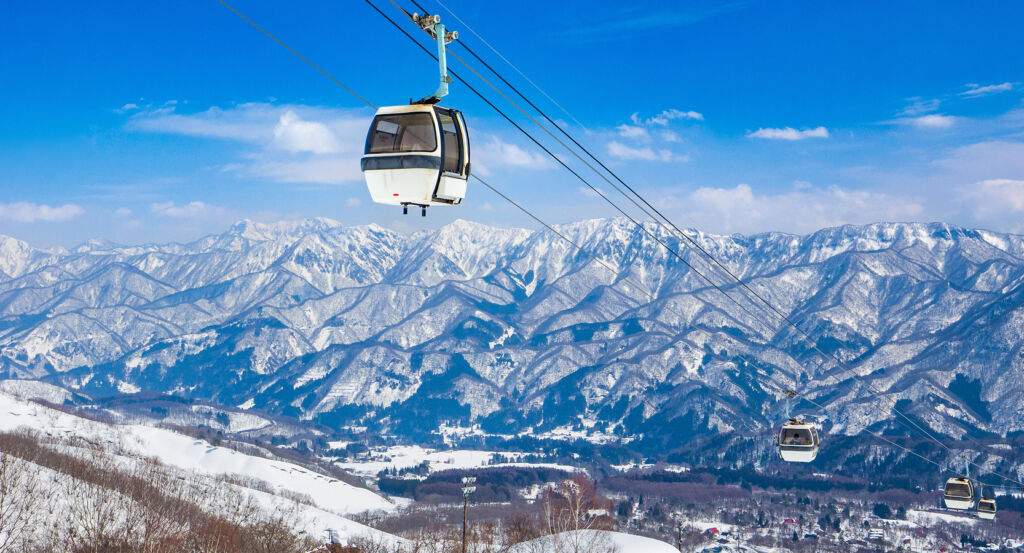
Start the morning by opening your curtains to the sight of tall evergreens dusted with snow or shimmering in summer sun. Step downstairs for a breakfast that blends Japanese nourishment with Western comfort, grilled fish, eggs, pastries, miso soup, salads, fruit, rice, breads, and warm dishes that awaken you gently for the day ahead. After breakfast, choose your rhythm. In winter, walk or shuttle to the Happo-One lifts, which access Hakuba's largest and most iconic ski terrain. Carve long groomers overlooking the Northern Alps. Explore powder-filled bowls and forest runs. Ride gondolas up to panoramic ridgelines. Stop at mountaintop huts for ramen, curry rice, or steaming cocoa before skiing all the way back to Wadano. If you prefer quiet immersion, winter walking trails weave through snowy forests, offering peaceful solitude and gentle alpine beauty. In summer, the valley becomes a paradise of green. Hike to alpine lakes, waterfalls, and ridgelines. Ride gondolas into the high mountains for sweeping views. Wander through wildflower meadows. Explore traditional shrines, cafés, and riverside paths. Rent a bike and follow scenic routes through Hakuba's countryside. After the time outdoors, return to Hakuba Yamano Hotel for the highlight of your day: onsen time. Let hot spring water ease your muscles. Step into the outdoor bath to feel cold air on your face and warm mineral water around your body. Watch steam drift upward. Listen to the rustling pines. Feel yourself sink into deep, restorative peace. Evening unfolds with gentle rhythm. Enjoy dinner in the hotel restaurant, savoring Japanese home-style dishes, Western mountain fare, or seasonal specialties. Sip whisky, wine, or tea in the lounge. Take a quiet walk outside to breathe cool night air under a sky full of stars. Return to your room to unwind, read, or simply sink into soft bedding as forest silence settles around you. Hakuba Yamano Hotel becomes not just where you stay, but the nostalgic, onsen-steeped, warmly human soul of your entire Hakuba journey.
Where your story begins.
Foresyte Travel reveals places that feel extraordinary long before you arrive.
Experience premium editorial crafted for luxury travelers.

















































































































