
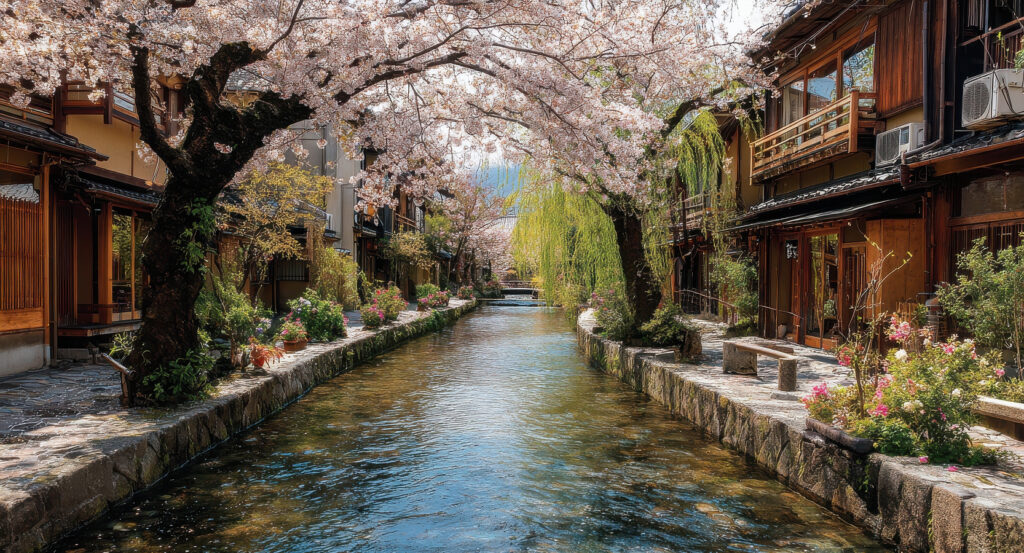
Why you should experience Hotel Alza Kyoto in Kyoto, Japan.
Hotel Alza Kyoto is Kyoto lived at city pace and human scale, a hotel that doesn't interrupt your day with theatrical gesture but instead offers an uncommonly composed, confident hospitality that makes the city feel navigable, calm, and deeply present.
Located near Kyoto Station and within easy reach of Higashi Honganji, Toji Temple, and the city's major rail connections, Alza occupies a zone where Kyoto's urban energy coexists with architectural restraint. Arrival here feels natural, immediate, and unforced. You step off the street into an interior that balances warmth, proportion, and clarity. Public spaces are crisp yet welcoming, designed to orient. The lobby feels composed and efficient, a space that helps you gather your plans or transition back into rest. Sightlines are clear and calming, encouraging psychological ease from the first moment you enter. Guest rooms at Hotel Alza Kyoto reflect the hotel's fundamental intelligence. They are well proportioned and arranged to support rest, work, and pause. Beds are comfortable and reliable, built for restorative sleep after days spent walking temples, gardens, and Kyoto's narrow streets. Windows open onto city views or quiet inner aspects, offering context. Furniture is straightforward and purposeful: desks sized for real productivity, seating that invites lingering rather than posing, and thoughtful storage that allows you to unpack fully and inhabit the space rather than live out of luggage. The rooms feel calm and composed, not curated for first impressions but resolved for real use. Lighting is warm and layered, designed to support daily rhythm. Bathrooms are clean, efficient, and thoughtfully laid out, prioritizing water pressure, circulation, and ease of routine. Nothing competes for attention; everything works as it should. Dining and shared spaces extend this same sense of grounded intelligence. Breakfast unfolds in an environment that feels calm and purposeful, encouraging a clear start to your day. Lounges and common areas act as transitional spaces that help you reset between activities. Service at Hotel Alza Kyoto is attentive, sincere, and refreshingly straightforward. Interactions feel professional and human. Staff offer assistance that is situationally aware and genuinely helpful. This approach reinforces the hotel's character as a supportive base. The hotel attracts travelers who value location, comfort, and coherence over spectacle: independent explorers, repeat visitors to Kyoto, couples who want ease without pretense, and anyone who prioritizes clarity in travel. Hotel Alza Kyoto does not transform Kyoto into a themed experience or buffer you from the city's complexity. It frames the city's texture in a way that makes it feel accessible and intelligible, supporting your movement through it.
What you should know about Hotel Alza Kyoto.
Hotel Alza Kyoto was conceived not as a boutique novelty nor as a showpiece, but as a practical and composed anchor for travelers who want Kyoto to feel approachable and alive.
The building's layout and interior planning prioritize circulation clarity and human scale, recognizing that guests often spend the majority of their time exploring the city. Public spaces were designed to reduce friction during peak arrivals and departures and to support calm orientation throughout the day. Materials were chosen for durability, warmth, and quiet presence. Guest room layouts were developed through close observation of how people actually use space: where they rest, where they work, how they unpack and return after long days. This resulted in environments that feel intuitive and resolved. Storage, desk placement, and seating were all calibrated for sustained use. Bathrooms emphasize reliability and comfort rather than visual impact, reinforcing the hotel's focus on practical comfort. Dining and common areas were arranged to support human rhythm, breakfast as nourishment and planning rather than performance; lounges as places of pause rather than exhibition. Operational culture reflects the hotel's grounded identity. Staff training emphasizes practicality, local knowledge, and responsiveness. Interactions feel authentic and situationally intelligent, enabling guests to engage with Kyoto on their own terms. Over time, Hotel Alza Kyoto has attracted a loyal set of travelers who return not for performance, but for coherence, clarity, and genuine support. In a city where many hotels either amplify history for effect or default to international uniformity, Alza's distinction lies in composed presence, spaces that function reliably, service that supports autonomy, and a character rooted in context.
How to fold Hotel Alza Kyoto into your trip.
Hotel Alza Kyoto works best when you let it function as a practical base for rhythm, return, and movement rather than a destination you go to, one that supports rather than structures your journey.
Begin mornings early, stepping out toward Higashi Honganji or the nearby Kyoto Tower before crowds build. Walk along urban routes that feel lived-in rather than tourist-compressed, letting Kyoto's layers register through repetition rather than rush. Because the hotel sits near Kyoto Station, returning midday is effortless and restorative. Come back to rest, read, or plan before heading back out into quieter neighborhoods or temple corridors. Afternoons lend themselves to branching outward: local craft streets, smaller shrines, café alleys, and museum lanes reward unhurried movement. Evenings remain unforced. Dine in neighborhood restaurants that reward curiosity, attend cultural events, or walk tree-lined streets as light softens. Returning late feels calm because the hotel's spatial language absorbs energy. Hotel Alza Kyoto pairs especially well with first visits, extended stays, independent exploration, and itineraries where presence matters as much as sights. By the time you leave, Kyoto will feel less fragmented and more navigable, a city you inhabited with clarity and ease, and the hotel will feel like the reliable base that made that experience possible. In a destination defined by nuance, ritual, and layered history, Hotel Alza Kyoto offers something quietly valuable: steadiness, coherence, and a place that lets the city speak for itself.
Where your story begins.
Foresyte Travel reveals places that feel extraordinary long before you arrive.
Experience premium editorial crafted for luxury travelers.

















































































































