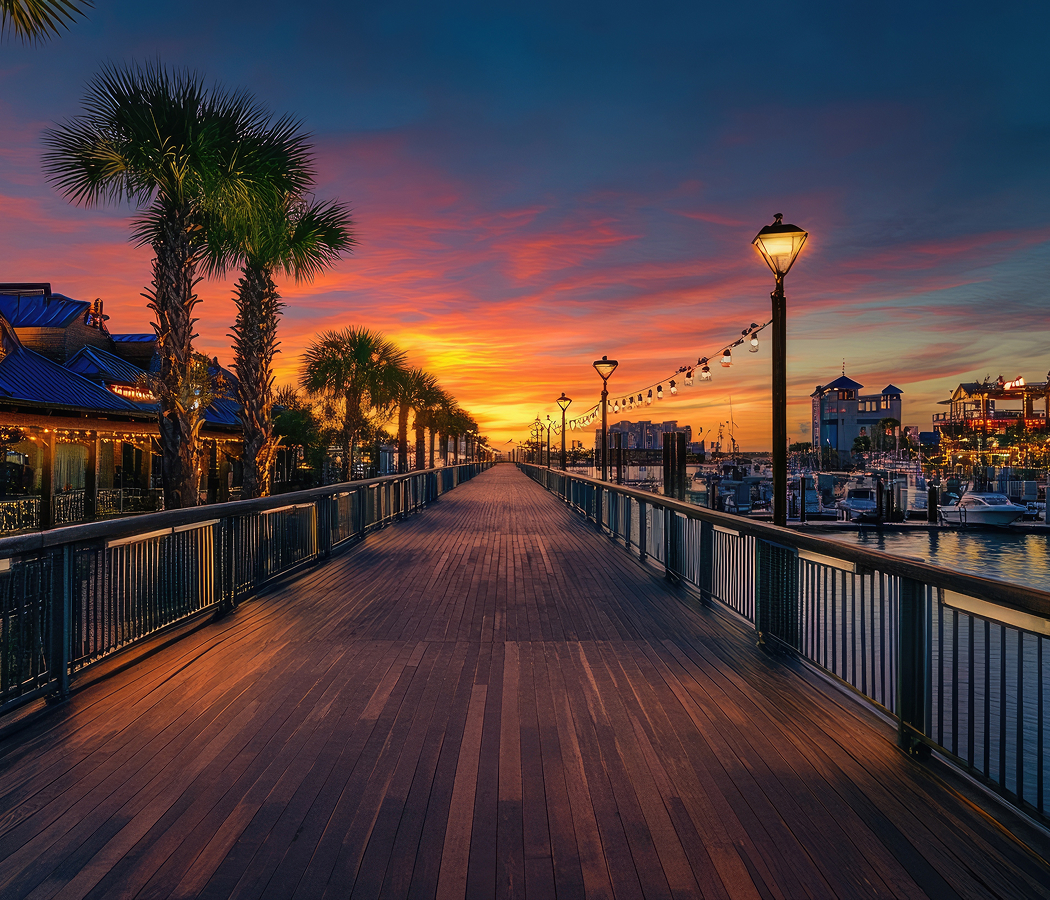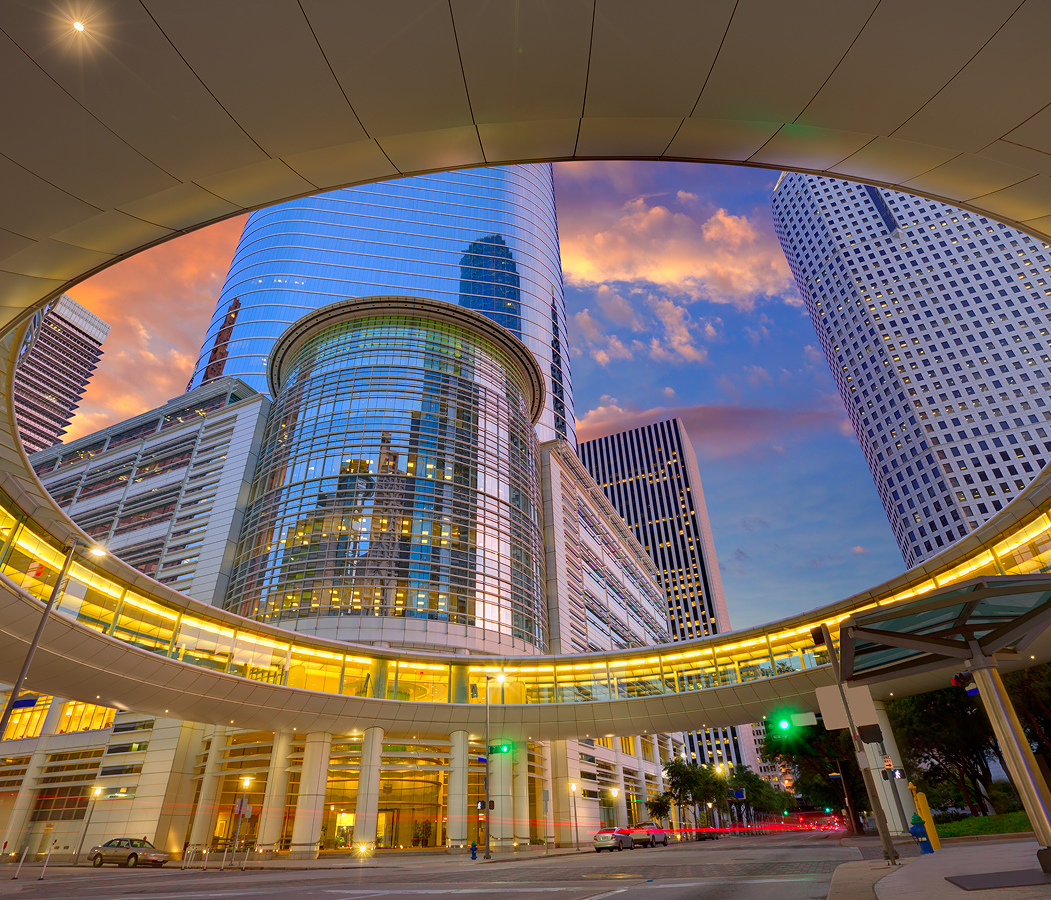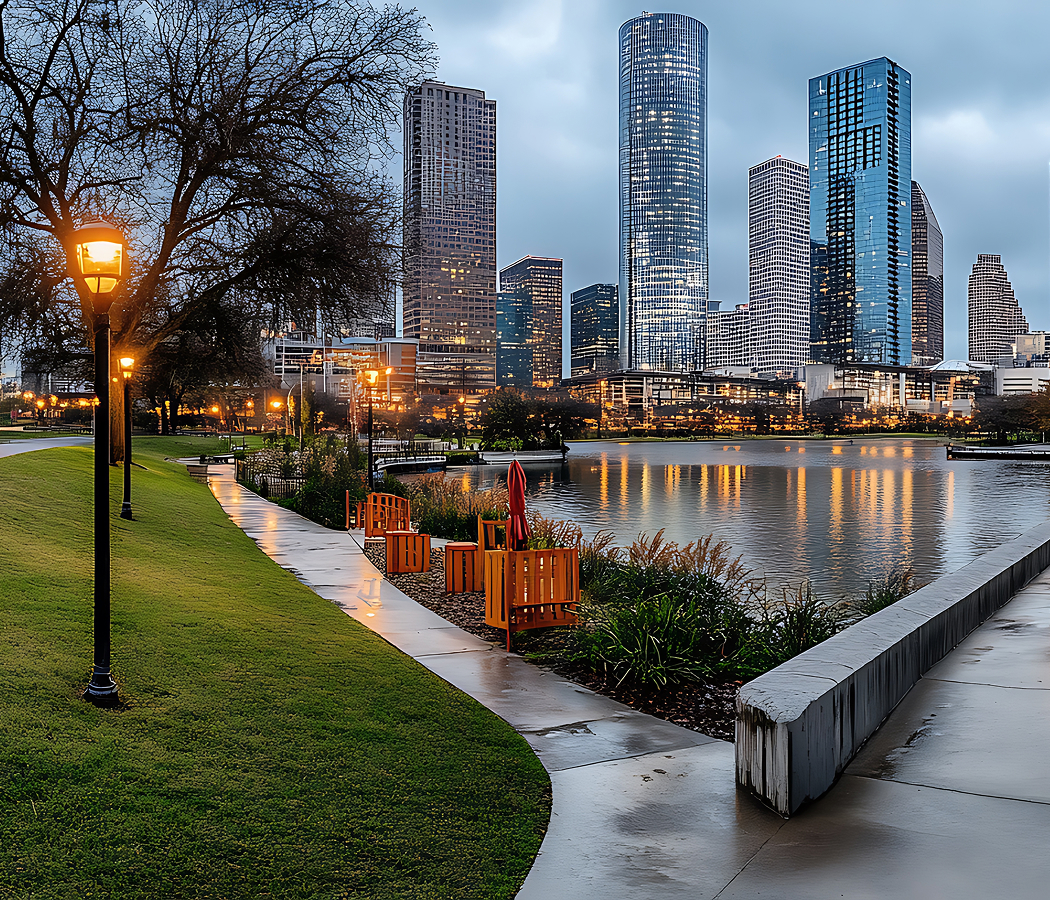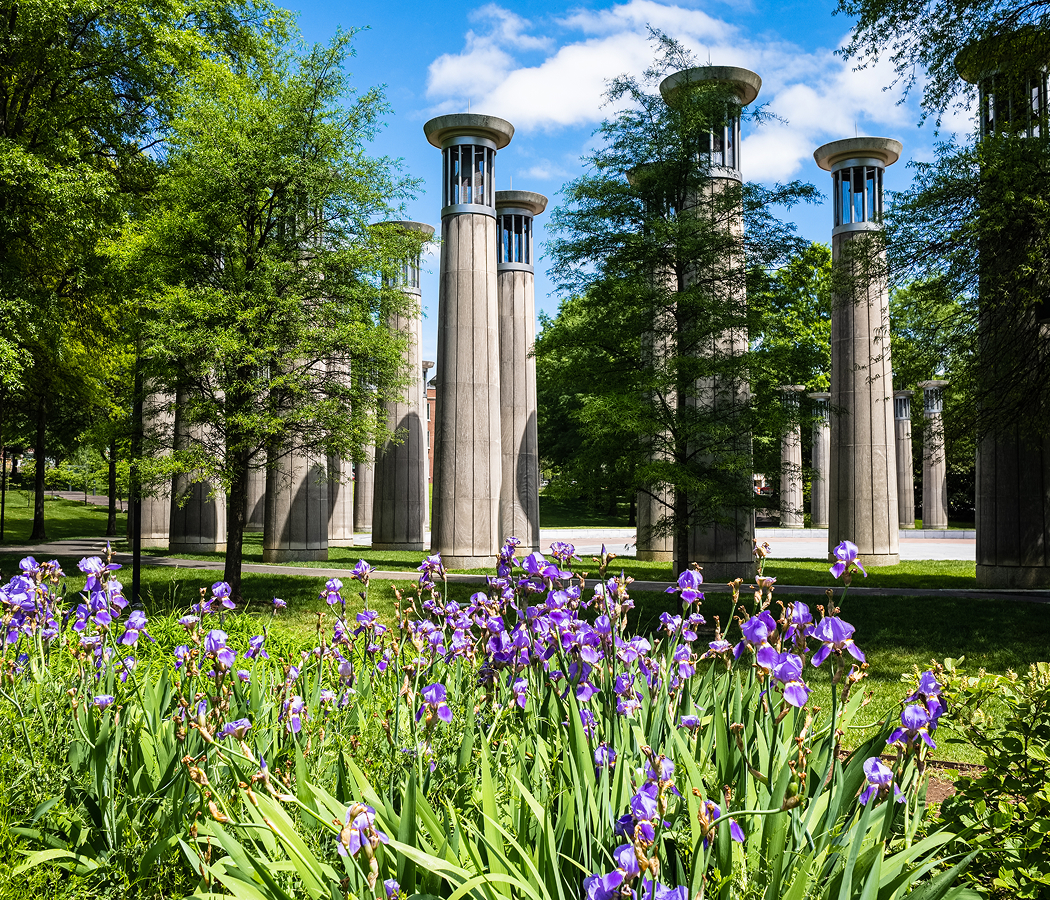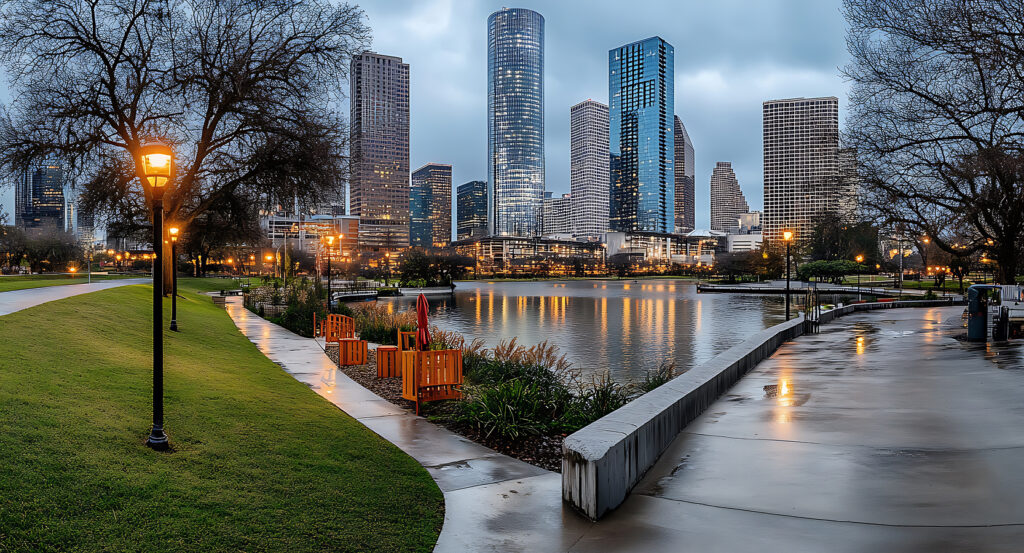
Why you should experience Houston Avenue in Houston, Texas.
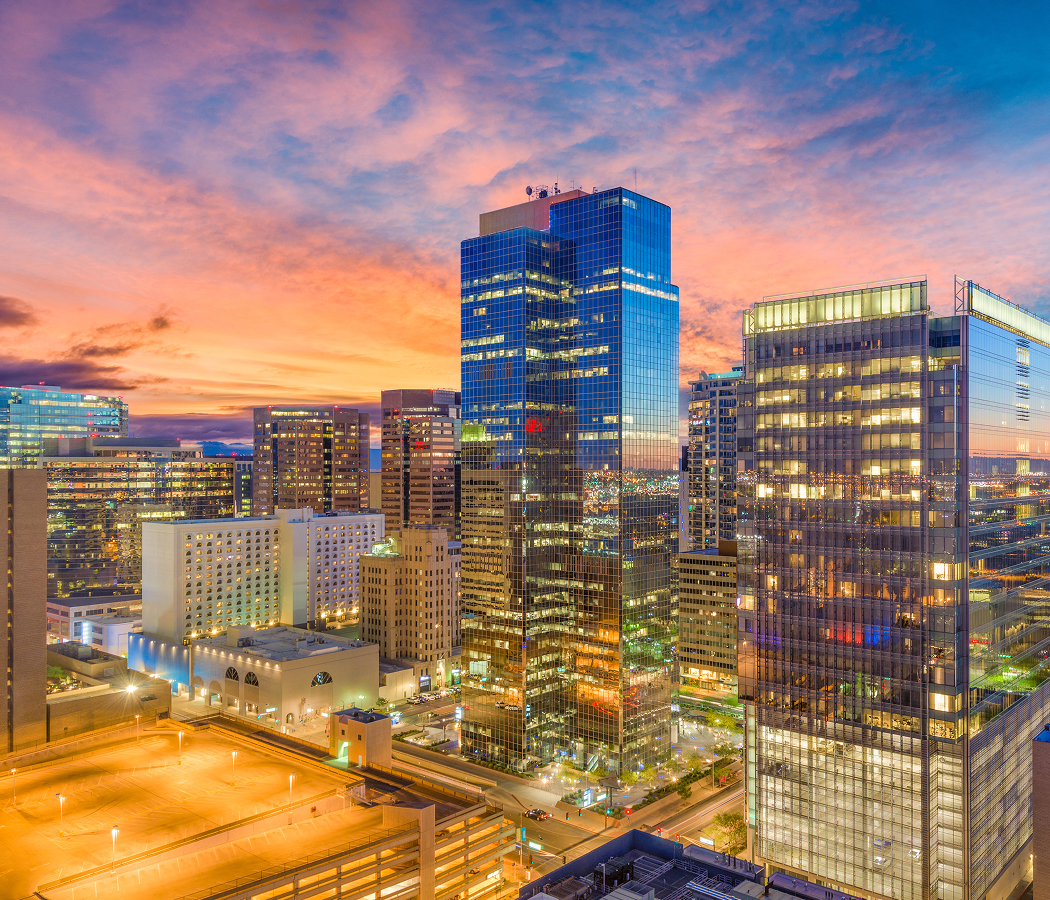
Houston Avenue is a historic Greater Heights corridor where early transportation routes, civic heritage, and urban revitalization converge along one of the city's most recognizable north-south thoroughfares.
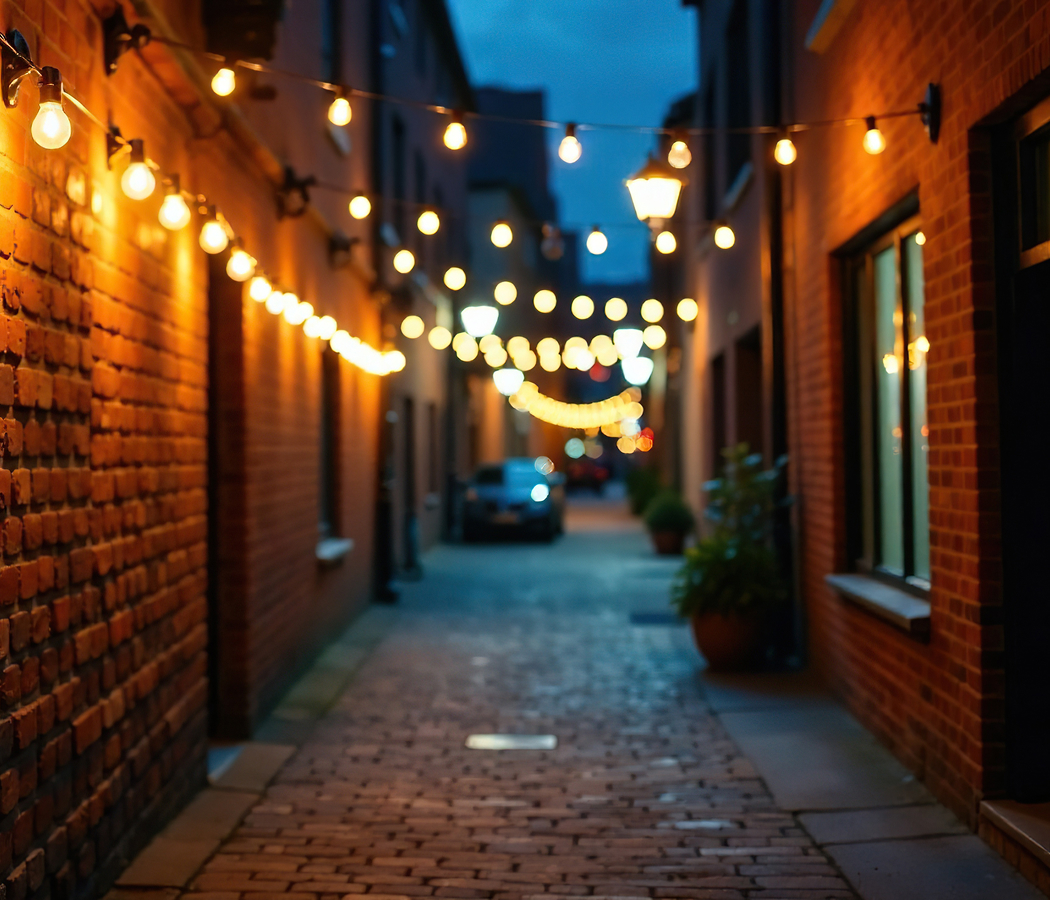
Running through Greater Heights between Downtown and Woodland Heights, this prominent corridor connects historic neighborhoods, restored commercial buildings, public parks, restaurants, and community institutions that reflect Houston's evolution from a frontier settlement into a modern metropolis. Mature oak-lined streets, century-old homes, neighborhood gathering places, and contemporary mixed-use destinations create a streetscape that balances historic character with continued investment. Once serving as a principal route linking the city's early residential districts with downtown, the avenue continues to function as both a neighborhood main street and an important civic connection. The result is a corridor defined by continuity, reinvention, and an enduring sense of place.
What you should know about Houston Avenue.
Houston Avenue is best known for bordering Sam Houston Park, established in 1899 as Houston's first municipal park, preserving some of the city's oldest surviving historic buildings within a living museum of Houston's nineteenth-century heritage.
Created after Mayor Sam Brashear appointed Houston's first park committee, the park transformed twenty acres near Buffalo Bayou into the city's inaugural public green space at a time when Houston was rapidly expanding beyond its original downtown core. Over subsequent decades, endangered historic homes from across the city were carefully relocated to the park, including the 1847 Kellum-Noble House, preserving architectural landmarks that otherwise would have been lost to redevelopment. Today, The Heritage Society maintains these restored structures while interpreting Houston's early civic, residential, and cultural history for new generations. Few Houston corridors are associated with a landmark that so comprehensively preserves the city's architectural origins and nineteenth-century identity.
How to fold Houston Avenue into your trip.
Houston Avenue works as an exploration of Houston's historic neighborhoods and civic landmarks.
Begin at Sam Houston Park, where preserved historic homes immediately introduce the city's earliest architectural and cultural history. Continue to Buffalo Bayou Park, whose trails, public art, and sweeping skyline views reveal how Houston has reimagined its historic waterway as one of the nation's leading urban parks. From there, conclude at Sawyer Yards, where converted industrial buildings now house one of Texas's largest working artist communities, providing a contemporary counterpoint to the avenue's historic character. Along the route, neighborhood cafés, historic residences, landscaped green spaces, public art, and adaptive-reuse buildings demonstrate how Houston continually builds upon its past while embracing new creative energy. The progression moves naturally from preserved history to revitalized waterfront before culminating in a thriving arts district, revealing why Houston Avenue remains one of the city's most rewarding historic corridors.
Where your story begins.
Foresyte Travel reveals places that feel extraordinary long before you arrive.
Experience premium editorial crafted for luxury travelers.