Why you should experience Huron Street in Chicago, Illinois.
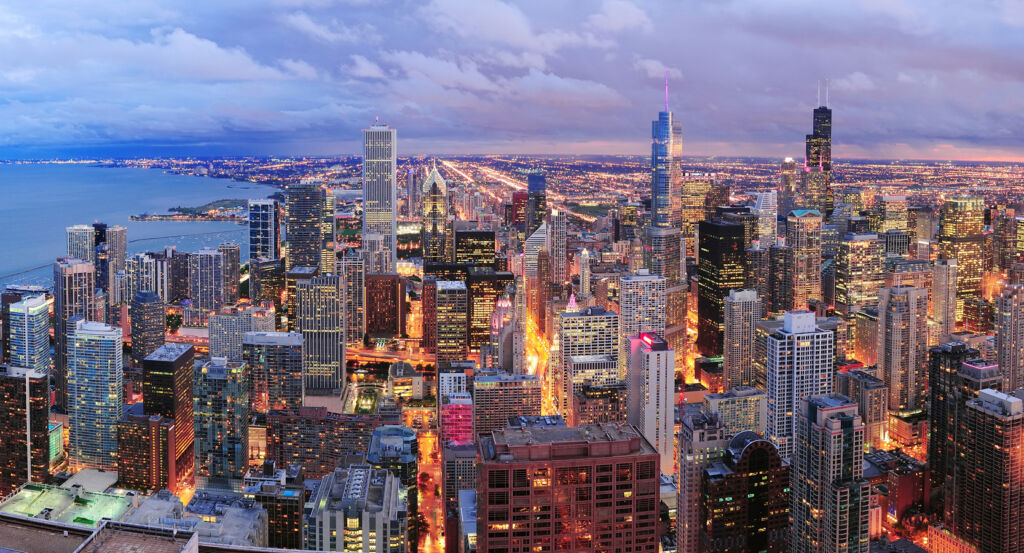
Huron Street is a sophisticated corridor where River North's industrial legacy, architectural ambition, creative energy, and Chicago's enduring spirit of reinvention converge across one of downtown's defining east-west streets.
Running through River North between the Grand Mile and the Fulton River District, Huron Street connects historic warehouse lofts, contemporary galleries, residential towers, neighborhood institutions, and commercial corridors that collectively reflect more than 150 years of urban evolution. The corridor reveals how wholesale commerce, river transportation, manufacturing, and adaptive reuse transformed an industrial landscape into one of Chicago's most influential urban neighborhoods. Historic masonry buildings and contemporary development remain closely integrated throughout the streetscape while preserving successive chapters of the district's commercial history. The result is a corridor distinguished by architectural continuity, creative vitality, and an enduring place within Chicago's central urban core.
What you should know about Huron Street.
Huron Street is best known for extending through River North, where reconstruction following the Great Chicago Fire of 1871 accelerated wholesale trade, warehouse construction, and commercial expansion along the Chicago River during the late nineteenth and early twentieth centuries. Building activity between the 1880s and the 1930s introduced heavy-timber loft buildings, brick warehouses, commercial offices, manufacturing facilities, and masonry apartment buildings that established the corridor's enduring architectural identity. Expansion of nearby railroad freight terminals, improvements to Chicago River shipping infrastructure, and continued commercial investment reinforced Huron Street's importance within one of the Midwest's principal distribution districts before late twentieth-century adaptive reuse introduced galleries, offices, and residential development. Continued preservation has retained much of the corridor's industrial architecture while sustaining its evolving role within River North.
Formation of the River North Residents Association established coordinated neighborhood leadership through planning advocacy, preservation initiatives, streetscape improvements, and infrastructure investment that strengthened long-term reinvestment surrounding Huron Street. Designation of the Kinzie Industrial Corridor within Chicago's industrial corridor planning structure guided employment preservation, land-use policy, and adaptive redevelopment across the surrounding district. Architect Alfred S. Alschuler designed numerous warehouse, manufacturing, and commercial buildings throughout Chicago, contributing durable masonry architecture that helped define the broader industrial landscape surrounding Huron Street. Together, the River North Residents Association, the Kinzie Industrial Corridor, Chicago's industrial corridor planning structure, and Alfred S. Alschuler demonstrate how coordinated civic stewardship, long-range planning, and architectural durability have collectively reinforced Huron Street's enduring identity.
How to fold Huron Street into your trip.
Huron Street works as an exploration of River North's architectural heritage, artistic evolution, and riverfront character.
Begin at Museum of Contemporary Art Chicago, where internationally recognized exhibitions and innovative programming establish Chicago's continuing commitment to creative expression while providing an ideal introduction to the artistic energy surrounding Huron Street. Continue to Richard H. Driehaus Museum, where meticulously restored Gilded Age interiors and decorative arts collections deepen the experience by revealing the extraordinary architectural craftsmanship that accompanied Chicago's rise as a commercial powerhouse before leading toward the river. Conclude at Chicago Riverwalk, where celebrated riverfront engineering, sweeping skyline perspectives, and thoughtfully designed public spaces provide the historical and civic payoff, demonstrating how commerce, architecture, and the Chicago River collectively shaped the enduring character of River North. The complete sequence reveals how artistic innovation, architectural preservation, and riverfront renewal together explain why Huron Street remains one of Downtown's most compelling historic corridors.
Where your story begins.
Foresyte Travel reveals places that feel extraordinary long before you arrive.
Experience premium editorial crafted for luxury travelers.