Why you should experience Kiest Boulevard in Dallas, Texas.
Kiest Boulevard is a spirited corridor where Oak Cliff's neighborhood heritage, civic investment, cultural diversity, and expansive parkland create one of southern Dallas' defining thoroughfares.
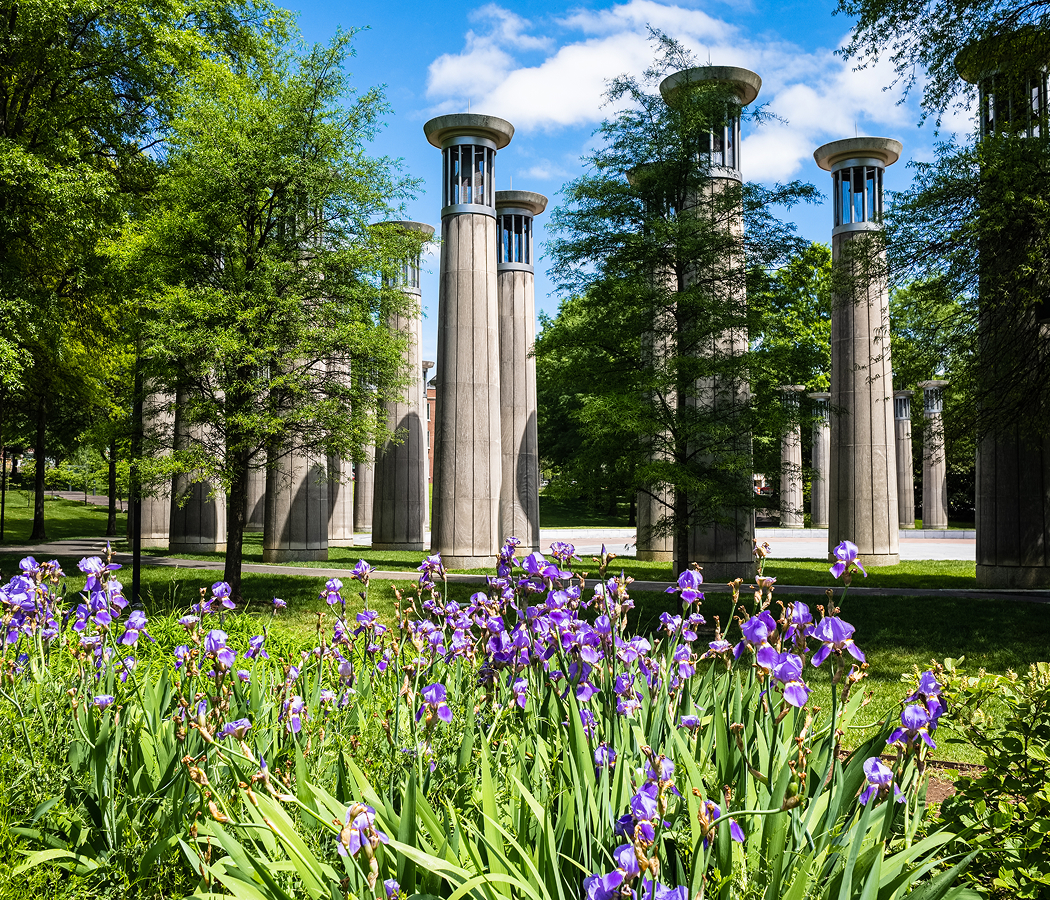
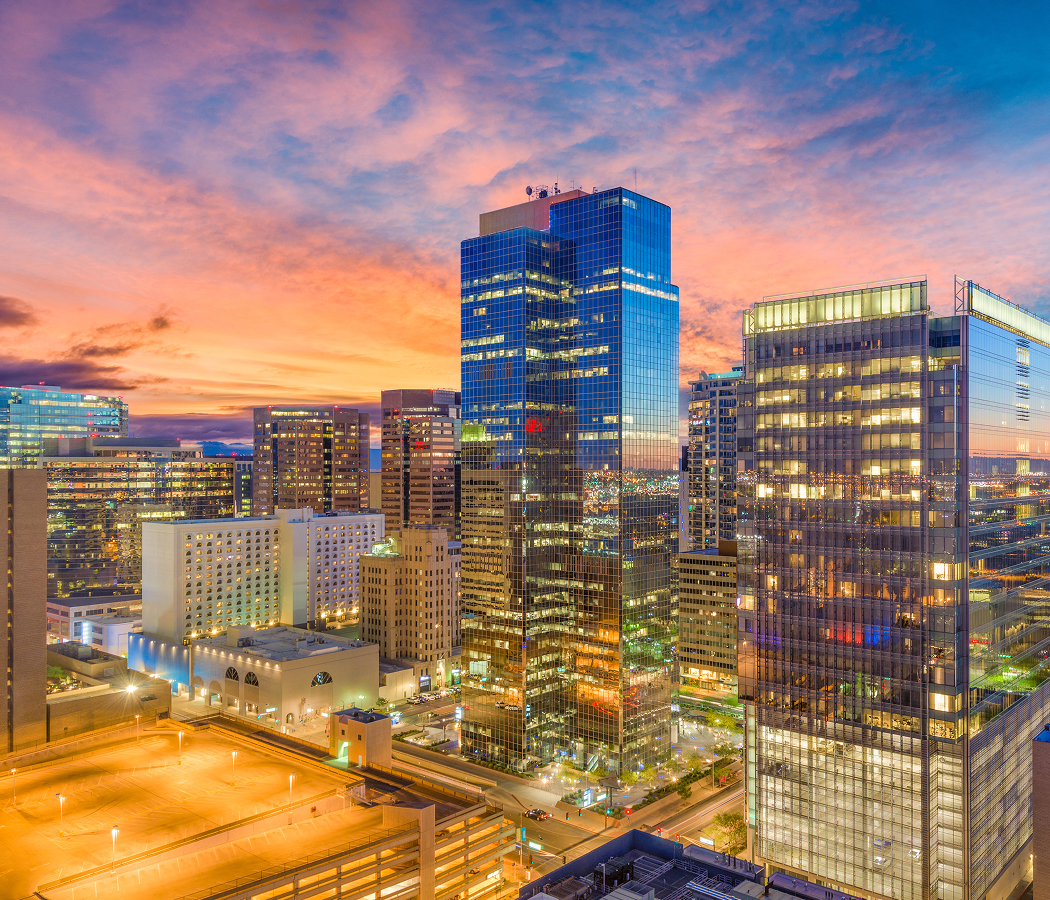
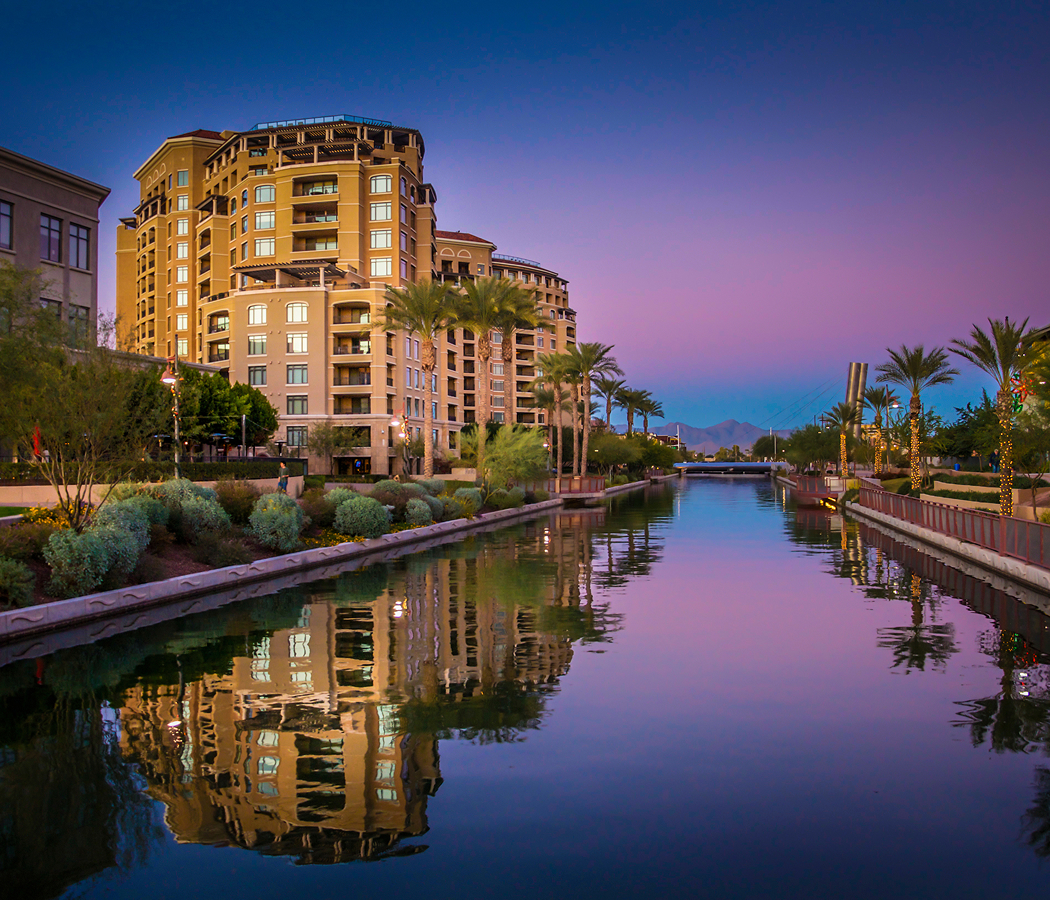
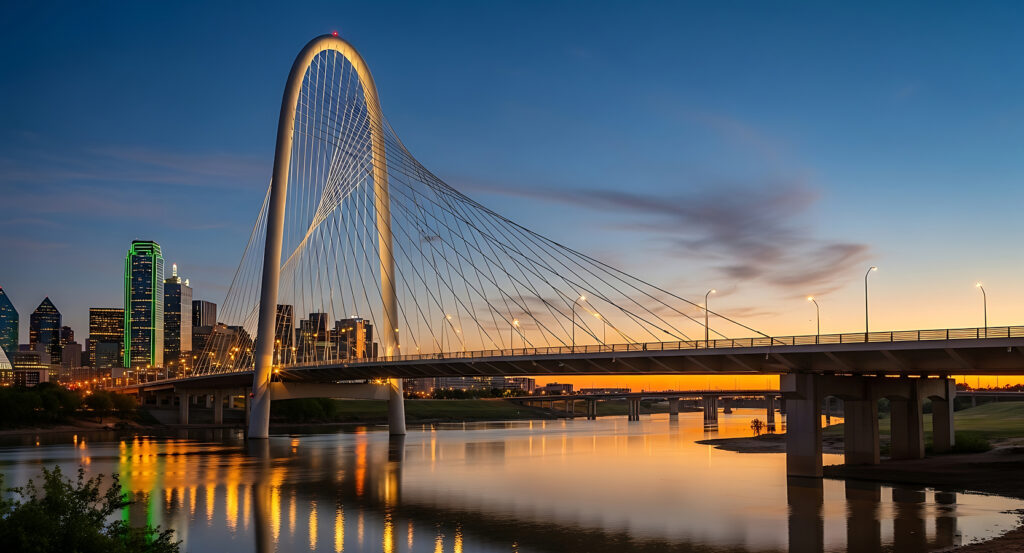
Running through Oak Cliff between Kessler Park and Pleasant Grove, the boulevard connects established neighborhoods, community institutions, retail districts, schools, and public green spaces that reflect decades of thoughtful urban growth. Each successive stretch reveals landscaped medians, mature pecan trees, neighborhood commercial centers, brick civic buildings, and broad rights-of-way that reinforce the boulevard's enduring metropolitan identity. The defining moment arrives as Kiest Boulevard demonstrates how public investment, residential expansion, and community stewardship have continually shaped southern Dallas. The result is an experience defined by neighborhood vitality, civic character, and one of Oak Cliff's most influential corridors.
What you should know about Kiest Boulevard.
Kiest Boulevard is best known for emerging as a principal east-west artery during Oak Cliff's post-World War II expansion throughout the 1940s, 1950s, and 1960s, when large residential subdivisions and new commercial districts extended Dallas' urban footprint across southern neighborhoods. Construction introduced neighborhood shopping centers, churches, schools, civic facilities, medical offices, and Ranch- and Mid-century Modern-influenced development utilizing reinforced concrete construction, brick masonry, structural steel framing, limestone detailing, aluminum storefront systems, and broad landscaped setbacks that continue defining the corridor's built environment. The boulevard provides direct access to Kiest Park, whose recreational amenities and mature urban forest reinforced the surrounding area's residential appeal while supporting long-term community investment. Widened roadways, landscaped medians, coordinated intersections, improved drainage infrastructure, and expanded pedestrian facilities accommodated increasing traffic volumes while preserving the boulevard's function as a major neighborhood connector. Continued reinvestment has diversified the corridor with locally owned businesses, professional services, community organizations, and public facilities while maintaining its central role within southern Dallas. Collectively, the corridor's suburban expansion, civic investment, recreational landscape, and transportation planning established Kiest Boulevard as one of Oak Cliff's defining modern corridors.
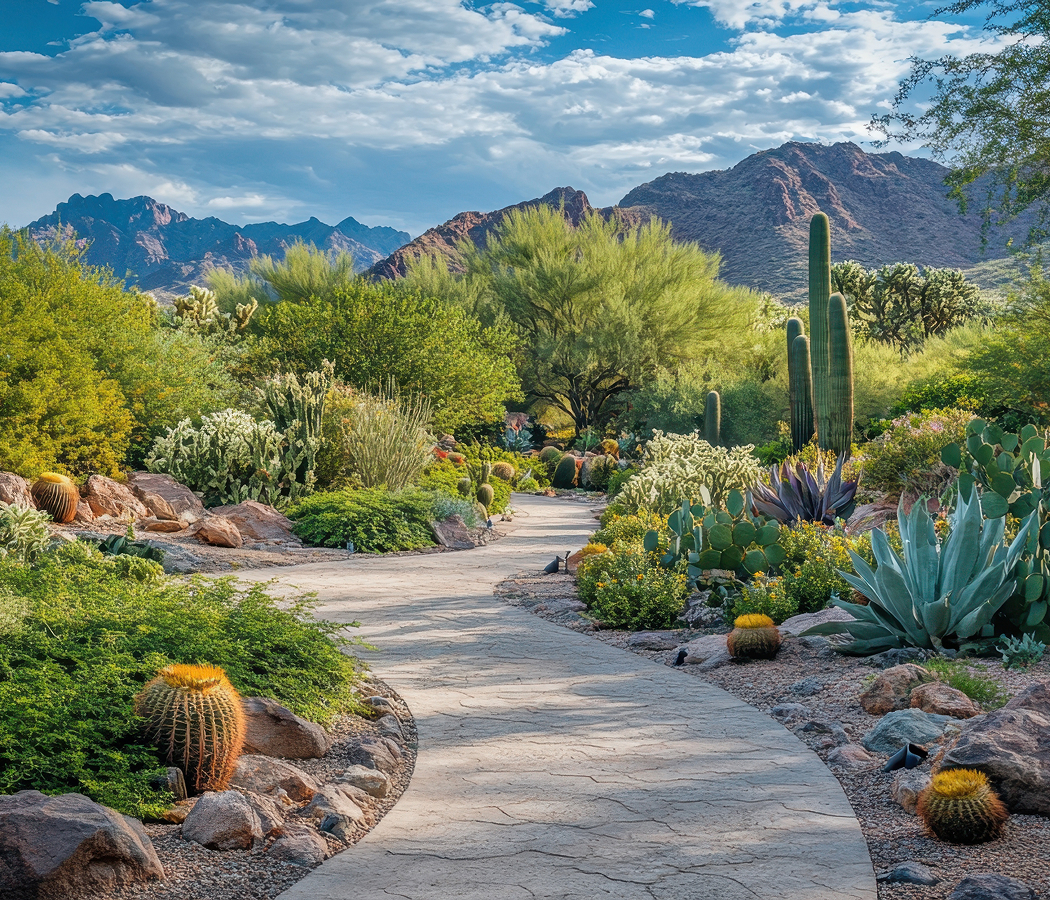
Dallas Park and Recreation Department continues managing Kiest Park, athletic facilities, playgrounds, walking paths, and recreational programming that reinforce the boulevard's longstanding relationship with public green space and neighborhood life. The North Central Texas Council of Governments advances regional mobility planning and transportation coordination that strengthen Kiest Boulevard's role within the broader Dallas transportation network while supporting future infrastructure improvements. Native pecan trees, cedar elms, bur oaks, prairie grasses, limestone drainage channels, bioswales, and landscaped medians create a resilient streetscape that complements surrounding neighborhoods while improving environmental performance and visual continuity. Together, these civic organizations, transportation initiatives, and enduring landscape features demonstrate how Kiest Boulevard continues evolving through sustained stewardship of both its public infrastructure and community spaces.
How to fold Kiest Boulevard into your trip.
Kiest Boulevard works as an exploration of southern Dallas' parks, neighborhoods, and cultural landscape.
Begin at Kiest Park, where mature tree canopies, athletic facilities, and winding walking trails establish the boulevard's recreational character while naturally introducing the surrounding neighborhoods. Continue to Dallas Executive Airport Overlook, where sweeping views of aviation activity and the southern Dallas skyline deepen appreciation for the area's evolving urban landscape before guiding the experience toward its cultural conclusion. Conclude at Bishop Arts District, where restored storefronts, independent galleries, and locally owned restaurants provide the historical payoff by illustrating the entrepreneurial energy that has long defined Oak Cliff's broader identity. The progression moves naturally from neighborhood parkland to panoramic city views before culminating in one of Dallas' most celebrated cultural destinations.
Where your story begins.
Foresyte Travel reveals places that feel extraordinary long before you arrive.
Experience premium editorial crafted for luxury travelers.