
Why you should experience Kiriya Ryokan in Japan.
Kiriya Ryokan is where time seems to loosen its grip, where wooden hallways creak with stories, and where the gentle steam of Nozawa's ancient hot springs wraps around you like a memory passed down through generations.
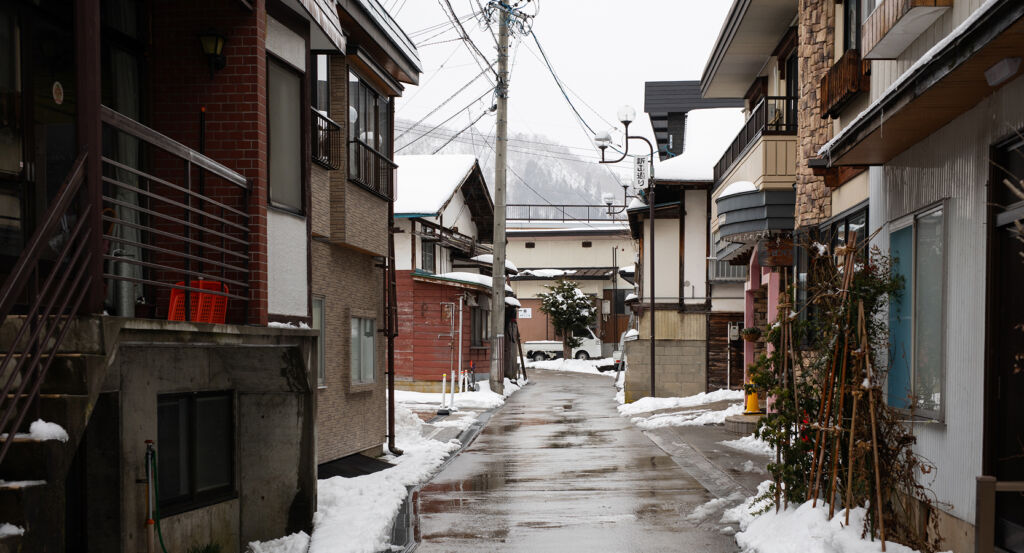
Set in the heart of Nozawa Onsen, among Japan's most historic hot-spring villages, Kiriya Ryokan carries a quiet, old-world beauty shaped by more than a century of family hospitality. The exterior blends seamlessly into the narrow streets of the village: timber architecture, tiled roofs, warm lantern light, and the unmistakable charm of a ryokan that has lived through countless winters. Step inside, and the atmosphere softens. Tatami mats whisper beneath your feet, shoji screens glow with filtered light, lacquered wooden beams overhead give weight to the room, and the faint scent of hinoki and onsen minerals fills the air. Guestrooms embody the purest form of Japanese simplicity, tatami flooring, futon bedding that's laid out fresh each night, low tables, cushions, softly glowing lamps, and sliding doors that open onto peaceful views of gardens, rooftops, or mountain ridges. It's the kind of simplicity that feels intentional, calming, and deeply rooted in tradition. Bathrooms vary by room type, but all are immaculate, warm, and shaped with the modest elegance that makes traditional ryokan bathing so soothing. The ryokan's communal onsen baths, fed by the village's volcanic hot springs, are the heart of the experience. The indoor baths radiate a comforting warmth, framed by stone, wood, and soft lighting that invites slow soaking after a day in the mountain air. The mineral-rich water, drawn from Nozawa's centuries-old geothermal veins, has a naturally silky touch that relaxes muscles, clears the mind, and warms you from the inside out. The dining experience at Kiriya Ryokan is a revelation of regional cuisine, a multi-course kaiseki-style dinner served on elegant trays, each dish shaped by the seasons and the land. Expect mountain vegetables, miso-rich soups, freshwater fish, handmade pickles, Nagano rice, tender local meats, tofu simmered in mineral water, and delicate bites that highlight the purity of Nozawa's ingredients. Breakfast is equally nourishing, warm dishes, fresh vegetables, grilled fish, tamagoyaki, rice, and miso soup, the kind of meal that strengthens you for a day of skiing, soaking, or wandering the village. Location is another gift. Step outside, and you're immediately woven into the fabric of Nozawa Onsen: narrow streets lined with traditional bathhouses, steaming hot-spring channels running along the pavement, wooden shrines, small cafés, and the comforting hum of village life. In winter, the ryokan is perfectly placed for access to Nozawa Onsen Ski Resort, home to deep powder, long cruisers, forested runs, and one of the most atmospheric ski-village experiences in Japan. In summer, the region transforms into a green mountain retreat, with trails, rivers, and leafy pathways that wind through the hills. Hospitality at Kiriya Ryokan is warm, heartfelt, and shaped by generations of care. Staff welcome you with sincerity, guide you through the rhythms of ryokan life, and uphold a level of service that feels honoring.
What you did not know about Kiriya Ryokan.
Kiriya Ryokan is woven directly into the history of Nozawa Onsen, a village whose geothermal springs have been used for more than a thousand years, and the ryokan's character reflects this ancient connection.
Nozawa Onsen's hot springs are part of a highly active volcanic system beneath the mountains, producing water rich in minerals that give the area its famed milky color and healing properties. Kiriya Ryokan's baths draw from these same veins, and their temperature, mineral makeup, and flow shift slightly with the seasons, a subtle rhythm tied to the mountain itself. The ryokan sits steps away from the village's soto-yu, public bathhouses that have served as communal gathering spaces for centuries. These bathhouses, fed by natural geothermal springs, were historically maintained and used by locals long before tourism arrived. Kiriya Ryokan, being among the village's longstanding family-run inns, maintained close ties to this community tradition, often supporting festivals, rituals, and stewardship of the baths. The architecture of the building reflects Edo- and Meiji-era ryokan design: exposed beams, hand-carved wooden details, and structural layouts based on seasonal airflow and light patterns. Many of the wooden elements inside the ryokan were shaped by local artisans using regional timber harvested from forests surrounding the village. The kaiseki meals incorporate produce sourced directly from Nozawa's slopes. Mountain vegetables, known as sansai, are foraged from nearby hills in spring; mushrooms come from local forests; rice is grown in terraced fields fed by mountain water; tofu is made using local techniques influenced by the mineral-rich water; and miso and pickles are crafted using long-standing village recipes. Kiriya Ryokan's approach to hospitality is rooted in omotenashi, a Japanese philosophy centered on anticipation, humility, and sincerity. But here, it carries a distinctly mountain-village warmth, shaped by the region's agricultural and communal roots. Many guests don't realize that Kiriya Ryokan quietly preserves aspects of Nozawa's cultural heritage. The building is used as a gathering space during village festivals, and its design intentionally creates flow between indoor and outdoor life, echoing how ryokan traditionally functioned as hubs of local community. Kiriya Ryokan is more than a place to sleep; it is a living expression of Nozawa Onsen's history, geothermal, communal, culinary, architectural, and profoundly tied to the land.
How to fold Kiriya Ryokan into your trip.
Kiriya Ryokan becomes the warm, steam-filled, deeply grounding center of your Nozawa Onsen journey, where mornings begin with soft mountain light through shoji paper, days unfold into alpine adventure or village wandering, and evenings melt into the heat of mineral-rich springs.
Start the morning with a quiet stretch on tatami while sunlight warms the room, then enjoy breakfast crafted from local ingredients. Step outside and wander the village: dip into one of the thirteen public bathhouses, visit shrines, stroll through narrow lanes, or ride the gondola into the mountains for hiking or skiing. In winter, ski the powder-rich slopes of Nozawa Onsen, long, flowing runs, deep snow pockets, and forested trails that make the entire mountain feel like a natural playground. Return to the ryokan in the afternoon for a long onsen soak, warm mineral water easing your muscles, steam rising through soft light, the quiet of the bath deep and restorative. Dinner becomes a nightly ritual of seasonal flavors served with grace: each dish capturing the purity of Nagano's mountains, fields, and rivers. Afterward, take an evening stroll through the village as steam floats from the street-side hot-spring channels, then return to your room where futons have been laid out fresh for the night. End each evening wrapped in warmth, window cracked open to cold mountain air, feeling at peace, held, and beautifully connected to the timeless rhythm of Kiriya Ryokan. It becomes not just where you stay, but the serene, cultural, onsen-lit heart of your entire Nozawa Onsen experience.
Where your story begins.
Foresyte Travel reveals places that feel extraordinary long before you arrive.
Experience premium editorial crafted for luxury travelers.

















































































































