
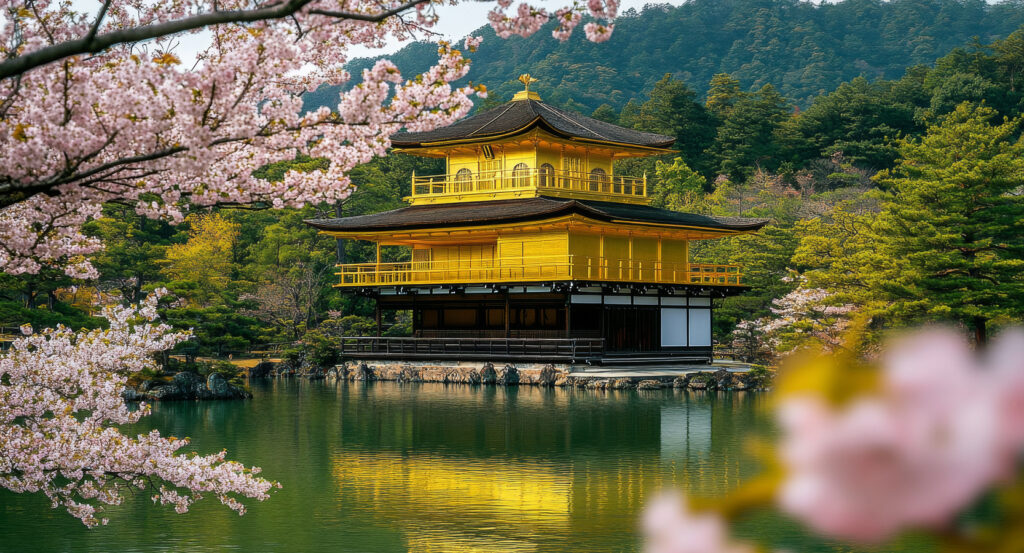
Why you should experience Kyoto Brighton Hotel in Kyoto, Japan.
Kyoto Brighton Hotel is Kyoto approached with calm refinement, thoughtful proportion, and an urban grace that lets you move through the city with fluidity.
Set in a quiet district north of Central Kyoto's busiest corridors, the hotel sits where residential calm and cultural depth overlap, a place where streets stay gentle, gardens remain visible, and the city's everyday life feels composed. Arrival at Kyoto Brighton Hotel is immediate and unforced. You step off the street into a lobby that feels like a threshold between motion and presence: clean lines, warm materials, and clear circulation encourage a psychological shift toward ease. There is no attempt to dominate first impressions; instead, the space leads you naturally toward rest, orientation, and clarity. Public spaces, the lobby, lounges, and dining areas, are generous without being grandiose, designed to support movement and pause in equal measure. Sightlines are composed with intention, creating a sense of openness that helps you settle quickly and without physical tension. Guest rooms continue this philosophy with balanced proportion and calm detail. Rooms are well sized for Central Kyoto and arranged to support restful sleep, daily routine, and relaxed planning. Beds are supportive and engineered for genuine rest after long days spent walking temple gardens, historic avenues, and neighborhood shrines. Windows frame quiet streets, greenery, or courtyard views, anchoring you in place rather than isolating you from the world outside. Furniture is purposeful yet unobtrusive: desks support real work rather than staged use, seating invites lingering rather than posing, and storage allows you to unpack fully and settle into the room without visual clutter. Lighting is warm and layered, guiding transitions from morning to evening with resonant consistency. Bathrooms are composed with clarity and comfort in mind, emphasizing usability, strong water pressure, and a sense of physical reset. Showers are dependable and design is deliberate. Dining and amenity spaces at Kyoto Brighton Hotel reinforce the hotel's character as a calm urban anchor. The restaurant offers meals that balance seasonality with refined technique, designed to nourish rather than interrupt your experience of the city. Breakfast unfolds in a composed environment that supports planning rather than rush, and lounges feel like extensions of the guest rooms, places where you can read, think, or watch light shift without expectation. Service at the hotel is attentive, poised, and unobtrusively supportive. Interactions are guided by awareness rather than script, helping you navigate Kyoto's complex layers without feeling managed. Staff offer local insight with clarity and humility: recommendations on efficient transit, quieter routes between districts, and neighborhood discoveries that feel organic. Kyoto Brighton Hotel attracts travelers who value coherence and ease over flash: independent explorers, repeat visitors to Kyoto, professionals combining work and discovery, and anyone who wants the city to feel navigable.
What you should know about Kyoto Brighton Hotel.
Kyoto Brighton Hotel was designed around the principle that contextual calm and urban intelligence matter as much as location and amenity, especially in a city like Kyoto where daily movement and rhythm are fundamental to meaningful experience.
Rather than prioritizing dramatic architecture or themed interiors, the hotel's planning emphasizes spatial clarity, functional proportion, and material restraint. Public spaces were arranged to encourage psychological ease: sightlines that avoid compression, circulation paths that reduce congestion, and transitional zones that support orientation. Materials were chosen for their capacity to age gracefully and absorb presence rather than deflect attention: warm woods, matte surfaces, and textiles that soften sound and light. Guest room layouts were determined through observation of real travel behavior in Kyoto: early departures, midday returns, and late evenings spent planning or resting. This resulted in interiors that feel intuitive from first night to fifth, with storage, desk spaces, and lighting calibrated for actual use. Lighting systems were integrated early in architectural planning to support circadian rhythm and reduce visual strain, using layered sources. Bathrooms were designed with emphasis on ease and comfort, strong water systems, clear circulation, and finishes that feel warm under repeated use. Dining and common areas were developed as everyday infrastructure rather than social stages, reinforcing the idea that the surrounding city, not the hotel itself, provides the primary narrative. Operational culture reflects this philosophy. Staff training emphasizes local familiarity, clear communication, and adaptive responsiveness. Interactions feel grounded and helpful, enabling guests to engage Kyoto on their terms. Over time, the hotel has built a loyal following among travelers who return not for novelty or performance, but because the experience remains composed and consistently supportive under real use. In a landscape where many hotels either chase character or retreat into generic neutrality, Kyoto Brighton Hotel stands out through designed calm, architecture and service working in concert to support actual travel life.
How to fold Kyoto Brighton Hotel into your trip.
Kyoto Brighton Hotel works best when you treat it as a calm anchor and logistical base that supports coherent movement through Kyoto.
Begin mornings early, walking toward the Kyoto Imperial Palace gardens or the nearby shrine lanes while the city is still soft. Use the hotel's proximity to transit and quieter streets to pivot efficiently between districts, Arashiyama, Gion, Higashiyama, and northern temple corridors. Because the property sits in a quieter district just north of Central Kyoto, returning midday feels restorative. Come back to rest, plan, or simply sit with coffee or tea before heading back out. Afternoons lend themselves to neighborhood exploration: smaller galleries, independent cafés, and side street temples reward unhurried attention. Use staff guidance to discover routes that feel personally resonant. Evenings remain flexible. Dine thoughtfully on seasonal cuisine nearby or at the hotel, attend cultural events, or walk Kyoto's tree-lined avenues as lights soften into dusk. Returning late feels calm because the hotel's interior language absorbs energy. Kyoto Brighton Hotel pairs especially well with extended stays, repeat visits, independent exploration, and work-leisure blends where autonomy and presence matter as much as proximity. By the time you leave, Kyoto will feel less episodic and more navigable, and the hotel will feel like the constant that made that understanding possible, not softened, not diluted, but purposefully present. In a city defined by layered history, spatial rhythm, and everyday movement, Kyoto Brighton Hotel offers something valuable and rare: clarity that supports being.
Where your story begins.
Foresyte Travel reveals places that feel extraordinary long before you arrive.
Experience premium editorial crafted for luxury travelers.

















































































































