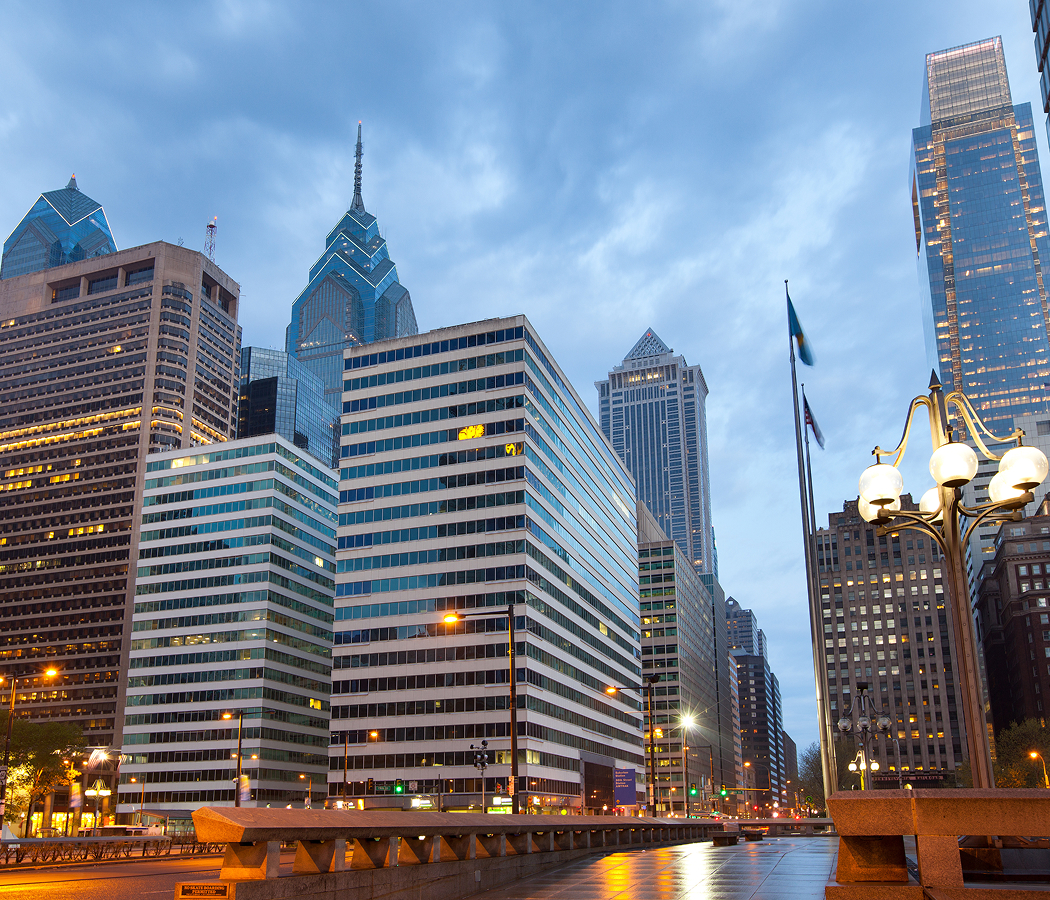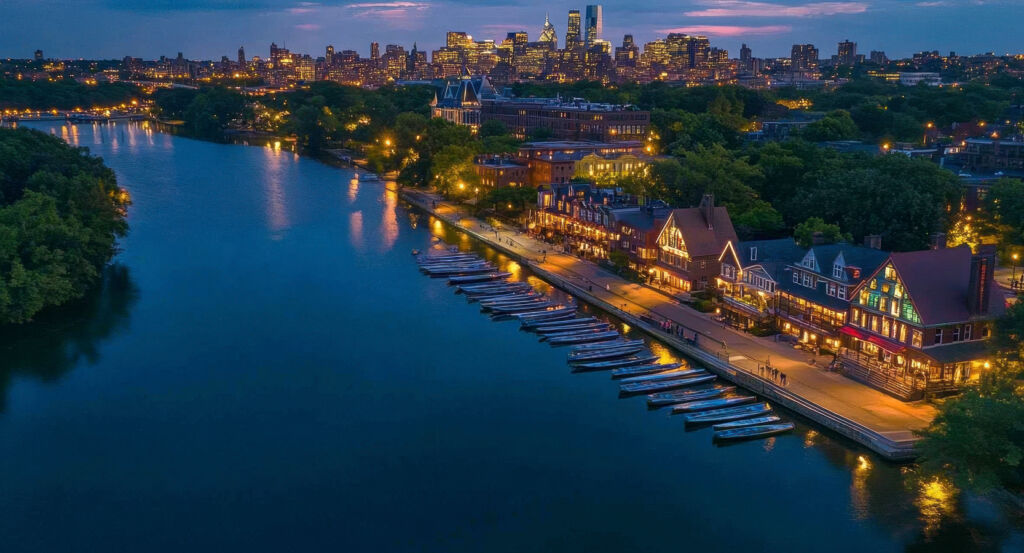
Why you should experience Laurel Street in Philadelphia, Pennsylvania.
Laurel Street is a refined corridor where Northern Liberties' industrial heritage, architectural reinvention, creative enterprise, and enduring neighborhood character define one of Philadelphia's most distinctive historic streets.
Running through Northern Liberties between Fishtown and Old City, the corridor links former manufacturing properties, nineteenth-century rowhouses, converted warehouse buildings, and neighborhood commercial corridors that collectively reflect Philadelphia's transformation from an industrial powerhouse into one of the nation's leading centers of urban revitalization. Successive blocks reveal how manufacturing, immigration, transportation investment, and adaptive redevelopment reshaped the neighborhood while preserving its historic physical fabric. Throughout the street, brick industrial buildings, traditional masonry residences, and thoughtfully restored streetscapes document more than two centuries of urban evolution. The result is an experience defined by craftsmanship, reinvention, and one of Philadelphia's most engaging neighborhood corridors.
What you should know about Laurel Street.
Laurel Street is best known for developing within Northern Liberties, a district incorporated as an independent township in 1771 before becoming part of Philadelphia through the Act of Consolidation of 1854, a transformation that accelerated coordinated street improvements, municipal services, and urban expansion. During the nineteenth century the surrounding neighborhood emerged as one of Philadelphia's foremost manufacturing centers, supporting nationally recognized breweries, tanneries, iron foundries, textile mills, ropewalks, and ship chandlers whose proximity to the Delaware River and expanding railroad infrastructure strengthened regional and international commerce. Residential construction introduced extensive collections of Philadelphia rowhouses displaying Federal, Italianate, and Queen Anne architecture characterized by red brick masonry, marble lintels, pressed-metal cornices, decorative brick corbelling, slate roofs, and finely crafted wood detailing that accommodated successive generations of artisans, dockworkers, merchants, and industrial laborers. Transportation improvements led by the Union Traction Company and later the Philadelphia Rapid Transit Company connected Northern Liberties with Center City, Kensington, and surrounding industrial districts through an expanding electric street railway network that reinforced commercial growth. Together, the Act of Consolidation, industrial manufacturing, Delaware River commerce, electric street railways, architectural development, and sustained residential investment established Laurel Street as one of Northern Liberties' defining corridors.
Recognition of the surrounding Northern Liberties Historic District on the National Register of Historic Places reinforced preservation of nineteenth-century industrial buildings, residential streetscapes, and architecturally significant masonry construction throughout the neighborhood. Revitalization initiatives led by the City of Philadelphia, the Northern Liberties Neighborhood Association, and the Delaware Valley Regional Planning Commission have supported streetscape improvements, traffic-calming measures, bicycle infrastructure, pedestrian accessibility enhancements, and public-space investment that strengthen neighborhood connectivity. Continued rehabilitation of former industrial buildings has expanded opportunities for creative offices, independent retailers, restaurants, and residential occupancy while preserving the corridor's historic structural fabric. Collectively, these preservation initiatives, planning partnerships, infrastructure improvements, and adaptive reinvestment demonstrate how Laurel Street continues balancing industrial heritage with contemporary neighborhood growth.
How to fold Laurel Street into your trip.
Laurel Street works as an exploration of Northern Liberties' industrial heritage, creative energy, and architectural evolution.
Begin at Liberty Lands, where a community-created public green space introduces the neighborhood's modern civic character while illustrating how former industrial land has been thoughtfully reimagined for contemporary urban life. Continue to The Fillmore Philadelphia, where a restored industrial building now hosts nationally touring musicians, deepening appreciation for the neighborhood's continuing cultural evolution before naturally leading toward the waterfront. Conclude at Cherry Street Pier, where a historic Delaware River municipal pier adapted into artist studios, galleries, and public gathering spaces provides the historical payoff through one of Philadelphia's most compelling examples of industrial reinvention. Together, the sequence moves from neighborhood stewardship to contemporary culture before culminating in adaptive waterfront preservation that reflects the enduring spirit surrounding Laurel Street.
Where your story begins.
Foresyte Travel reveals places that feel extraordinary long before you arrive.
Experience premium editorial crafted for luxury travelers.