
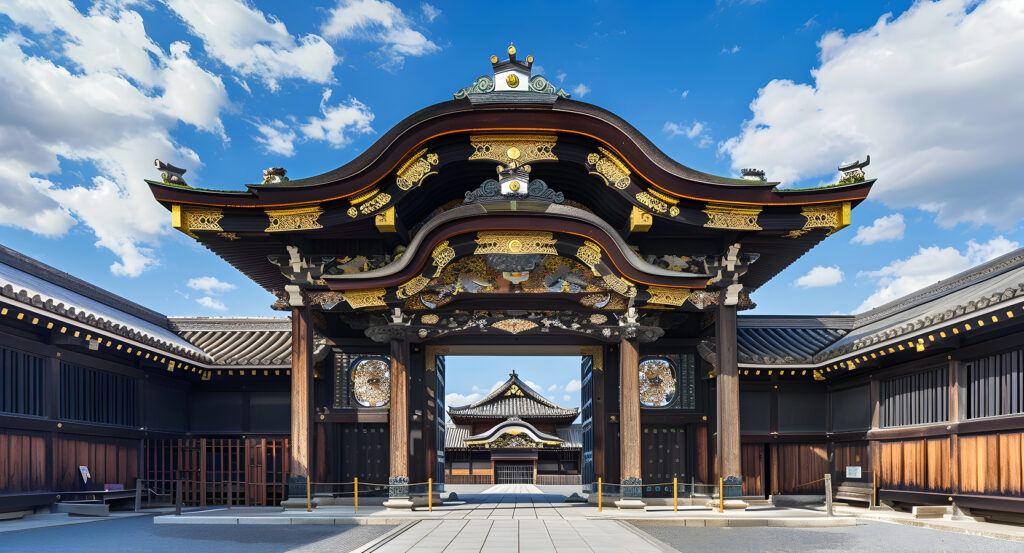
Why you should experience Mitsui Garden Hotel Kyoto Shinmachi Bettei in Kyoto, Japan.
Mitsui Garden Hotel Kyoto Shinmachi Bettei is Kyoto lived with restraint, spatial coherence, and everyday comfort, a hotel that feels like a thoughtfully chosen base.
Tucked into the Shinmachi district between Shijo and Karasuma, this property occupies a part of Kyoto where quiet residential streets and historic neighborhoods blend with everyday life. Arrival is calm but efficient. You step from ordered city streets into a lobby that is composed without being theatrical, where proportions are generous enough to avoid compression but not so expansive as to feel empty. Materials and finishes are grounded, warm woods, muted tones, and soft lighting that read as understated. There is a sense of measured presence here: nothing demands your attention, yet everything feels intentional. Public areas feel open and accessible, with circulation planned for clarity. Seating areas support brief pauses but do not insist on lingering. Sightlines are clear, encouraging quick orientation. The hotel understands that in a city like Kyoto, where movement is constant, friction is the true enemy of rest. Guest rooms embody this same character of temperate calm and everyday logic. Rooms are generous by Central Kyoto standards and arranged to support real use. Beds are deeply comfortable and engineered for restorative sleep, the kind that readies you for early starts and long days of walking through temple precincts and historic streets. Windows frame neighborhood views, rooftops, or quiet lanes rather than theatrical landscapes, reinforcing a sense of place without performance. Furniture is purposeful and minimal. Desks support real work or planning. Seating is understated but comfortable, allowing you to pause. Storage is ample, allowing you to unpack fully and feel settled. Lighting throughout is layered and forgiving, supporting transitions from morning activity to evening rest. Bathrooms are spacious and functional, emphasizing ease of movement, water consistency, and everyday reliability over ornate detail. Daily routines here feel smooth and uninterrupted, a quality that becomes increasingly valuable over the course of a stay. Dining and shared amenities reinforce the hotel's character as a base. Breakfast is composed and nourishing, offering practical fuel for a full day rather than an event that dictates your schedule. Common areas feel like extensions of the rooms, places to reset or plan. Service throughout Mitsui Garden Hotel Kyoto Shinmachi Bettei is attentive. Interactions are grounded in clarity and contextual awareness, offering helpful guidance on neighborhood navigation, transit options, and timing that reflects Kyoto's rhythm. The hotel naturally attracts travelers who value clarity over curation, routine over ritual, and strategic calm over performance spectacle: professionals on extended stays, families who want space for real use, repeat visitors to Kyoto seeking predictability, and independent explorers who prefer a stable base over hospitality identity.
What you should know about Mitsui Garden Hotel Kyoto Shinmachi Bettei.
Mitsui Garden Hotel Kyoto Shinmachi Bettei was developed with the understanding that comfort in Kyoto is as much about structural calm as it is about location, and that support should be invisible.
Rather than emphasizing theatrical design motifs or connect-the-dots heritage narratives, the property's planning prioritizes spatial coherence and operational reliability. Public areas were arranged to reduce physical noise: clear circulation paths, unobtrusive seating zones, and sightlines that avoid visual congestion. Materials were selected for surface integrity under heavy use, warm woods that age gracefully, matte finishes that absorb light, and textiles chosen for acoustic moderation. Guest room layouts were refined through observation of actual traveler behavior in city-centered stays: early departures, frequent midday returns, and evenings spent resting more than performing leisure. This resulted in interiors that feel intuitive and complete. Storage, workspace placement, and adaptable lighting were integrated early in the design process, supporting everyday use. Lighting systems were embedded to support smooth transitions between daylight and evening. Bathrooms were engineered for ease of use and comfort: strong water systems, thoughtful circulation, and finishes that feel reassuring under repeated use. Dining spaces and common areas were developed as functional infrastructure, environments that support nourishment and planning. Operational culture mirrors this architectural logic. Staff training emphasizes practical local fluency, clear communication, and adaptive responsiveness. Interactions feel grounded and trustworthy, helping you navigate Kyoto's transport network, neighborhood nuances, and seasonal rhythms with clarity. Over time, the hotel has built loyalty among travelers who return not for novelty or performance, but because the experience remains consistently supportive under real use. In a landscape where many hotels amplify character or default to generic luxury codes, Mitsui Garden Hotel Kyoto Shinmachi Bettei distinguishes itself through composed presence, architecture and service aligned to support actual travel life.
How to fold Mitsui Garden Hotel Kyoto Shinmachi Bettei into your trip.
Mitsui Garden Hotel Kyoto Shinmachi Bettei works best when you treat it as a stable, logical base that supports extended exploration.
Begin mornings with purpose, stepping out into Shinmachi and crossing into historic districts before crowds build. Use the hotel's proximity to transit, buses, subway lines, and taxis, to pivot efficiently between Kyoto's varied neighborhoods: Gion, Higashiyama, Arashiyama, and northern temple corridors. Returning midday feels restorative rather than disruptive because the hotel's environment remains calm under repeat use. Come back to rest, plan the afternoon, or simply sit with tea before heading out again. Afternoons are ideal for layered exploration: smaller shrines, side street markets, galleries, and local cafés reward unhurried attention. Use staff guidance to discover quieter routes and seasonal pockets that feel personal. Evenings unfold. Dine nearby or explore further with the knowledge that your return path is clear and predictable. Late nights feel contained because the hotel's internal language remains calm regardless of hour. Mitsui Garden Hotel Kyoto Shinmachi Bettei pairs especially well with longer stays, first visits seeking structured rest, and independent exploration narratives.
Where your story begins.
Foresyte Travel reveals places that feel extraordinary long before you arrive.
Experience premium editorial crafted for luxury travelers.

















































































































