
Why you should experience Tsurugaoka Hachimangu in Japan.
Tsurugaoka Hachimangu is Kamakura's preeminent Shinto shrine where Yukinoshita's samurai heritage, sacred traditions, grand architecture, and Japanese history converge within one of the nation's most important religious landmarks.
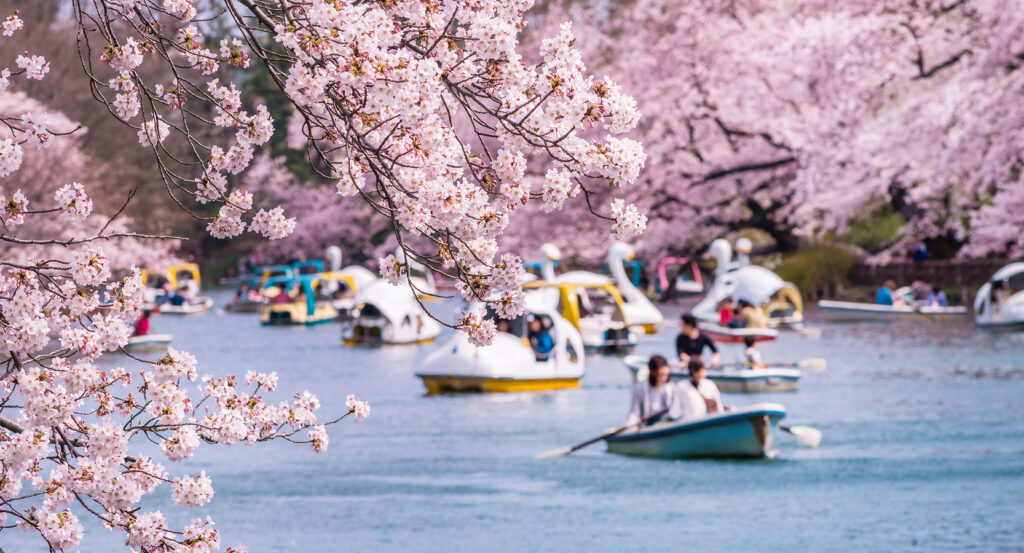
Set at the northern end of Wakamiya Ōji near Komachi Street and just steps from Dankazura, this expansive shrine complex unfolds through imposing vermilion gates, broad ceremonial stairways, tranquil ponds, centuries-old trees, elegant shrine buildings, and meticulously maintained sacred grounds that have served as Kamakura's spiritual heart for nearly a millennium. Carefully aligned processional routes, refined traditional architecture, seasonal cherry blossoms, and commanding views across the former shogunal capital reinforce the shrine's profound historical significance. Every approach reflects the enduring relationship between political authority, religious devotion, and Japanese cultural identity. The result is a shrine defined by spiritual importance, architectural grandeur, and one of Japan's most celebrated sacred destinations.
What you should know about Tsurugaoka Hachimangu.
Tsurugaoka Hachimangu is best known for being established in 1063 by Minamoto no Yoriyoshi, who transferred the guardian deity Hachiman from Iwashimizu Hachimangū near Kyoto to Kamakura following military victories during the Former Nine Years' War, before being dramatically relocated and expanded in 1180 by Minamoto no Yoritomo after he founded the Kamakura shogunate, transforming the shrine into the political and spiritual center of Japan's first military government. Dedicated to Emperor Ōjin, revered as the kami Hachiman, the complex became the principal guardian shrine of the Minamoto clan and the symbolic heart of samurai authority throughout the Kamakura period. The shrine's celebrated axial plan extends southward along Wakamiya Ōji, the grand avenue constructed by Yoritomo to connect the shrine with Sagami Bay, while the elevated Hongū (Upper Shrine), reached by 61 stone steps, occupies a commanding hillside position overlooking the former shogunal capital. Among its defining historical events, Tsurugaoka Hachimangu witnessed the assassination of Minamoto no Sanetomo, the third Kamakura shōgun, on 13 February 1219, when his nephew Kugyō emerged from beside the great ginkgo tree at the top of the staircase before fatally attacking him, an event that effectively ended the direct Minamoto shogunal line. Although the famous 1,000-year-old great ginkgo was toppled during a storm in 2010, new growth from its surviving roots continues to symbolize the shrine's resilience. The present Hongū dates to 1828, having been reconstructed by Tokugawa Ienari, the eleventh shōgun of the Tokugawa dynasty, while the shrine today preserves numerous Important Cultural Properties, hosts celebrated festivals including Yabusame horseback archery, and welcomes millions of worshippers and visitors annually as one of the foremost Shinto shrines in eastern Japan.
The architectural composition reveals the sophisticated planning that established Kamakura as Japan's first samurai capital through carefully aligned processional routes, elevated shrine precincts, ceremonial bridges, sacred ponds, and harmonious integration with the surrounding hills. Vermilion lacquered structures, cypress bark roofs, grand torii gates, and expansive courtyards embody classical Shinto architectural traditions while preserving the ceremonial hierarchy envisioned by Minamoto no Yoritomo more than eight centuries ago. Seasonal festivals, traditional weddings, religious ceremonies, and centuries-old rituals continue animating the shrine throughout the year, reinforcing its enduring role as both an active place of worship and one of Japan's most significant historical monuments. Every element demonstrates how political history, sacred architecture, cultural continuity, and meticulous preservation combine to sustain one of the nation's defining Shinto shrines.
How to fold Tsurugaoka Hachimangu into your trip.
Tsurugaoka Hachimangu works as the historical centerpiece of an exploration through Kamakura's former samurai capital.
Begin along Komachi Street, where traditional shops, confectioners, and centuries-old commercial traditions introduce the cultural character of Kamakura before proceeding to Tsurugaoka Hachimangu. Continue to Kamakura National Treasure Museum, whose exceptional collection of Buddhist sculpture, samurai artifacts, and religious treasures naturally extends the historical narrative preserved within the shrine precinct. Conclude at Dankazura, where the elevated cherry tree-lined approach provides a memorable finale celebrating the ceremonial urban planning that has defined Kamakura since the establishment of the shogunate. The progression moves naturally from historic merchant district to Japan's foremost samurai shrine before concluding along the grand processional avenue that shaped medieval Kamakura, revealing why Tsurugaoka Hachimangu remains among Japan's most important cultural landmarks.
Where your story begins.
Foresyte Travel reveals places that feel extraordinary long before you arrive.
Experience premium editorial crafted for luxury travelers.

















































































































