
Why you should experience Okura Garden Hotel Shanghai in Shanghai, China.
Okura Garden Hotel Shanghai is a quietly authoritative fusion of Japanese precision and Shanghai heritage, offering a stay defined by composure, space, and cultivated calm inside one of the city's most historically resonant garden estates.
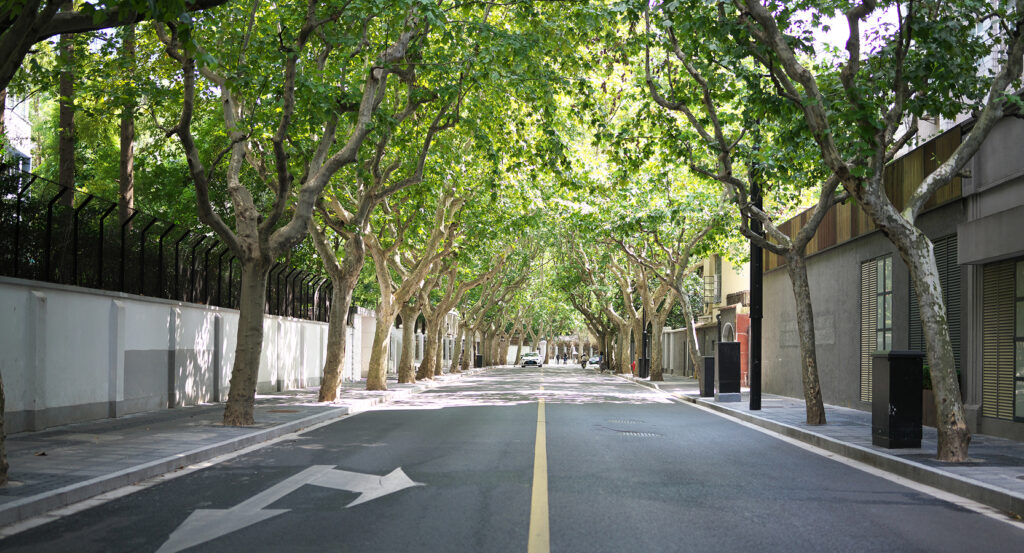
This hotel does not compete for attention, and it does not need to. Set within a former French Concession compound surrounded by manicured gardens and mature trees, Okura Garden Hotel Shanghai feels insulated from time as much as from traffic. The moment you enter the grounds, the city's pace softens. Paths widen, sound dissipates, and the environment shifts from urban urgency to deliberate stillness. The exterior architecture reflects its layered past, blending European classical proportions with understated Japanese stewardship that favors balance over display. Arrival is ceremonial but restrained, emphasizing dignity. Inside, the atmosphere is composed and deeply intentional. Public spaces feel formal. High ceilings, polished stone, warm woods, and carefully moderated lighting create an environment that encourages quiet presence. There is a sense of order here that feels cultural rather than corporate, rooted in Okura's Japanese hospitality philosophy where refinement is expressed through restraint. Guest rooms extend this sensibility with generous proportions and a residential calm that is increasingly rare in Central Shanghai. Layouts are clear and balanced, allowing the room to function as a place of rest, preparation, and reflection. Beds are deeply comfortable, dressed in high-quality linens that prioritize sleep quality and tactile comfort. Furnishings are classic and understated, chosen for longevity and harmony. Seating areas invite reading, contemplation, or quiet conversation, while workspaces are properly scaled and discreet, supporting productivity. Storage is ample and thoughtfully integrated, making longer stays feel natural. Windows often overlook the hotel's gardens or tree-lined grounds, reinforcing the sense that you are staying within a protected enclave. Bathrooms are refined and meticulously maintained, featuring deep soaking tubs, walk-in showers, stone finishes, and lighting designed to support unhurried daily rituals. Dining at Okura Garden Hotel Shanghai reflects the hotel's bicultural identity. Japanese culinary offerings emphasize precision, seasonality, and restraint, while Western and Chinese options are executed with classical discipline. Meals here feel ceremonial in the best sense, encouraging presence and appreciation. Breakfast unfolds calmly, without crowding or noise, reinforcing the hotel's overall rhythm. Public spaces throughout the property encourage slow movement. Gardens, lounges, and quiet corridors invite wandering and pause, creating moments of stillness that feel intentional. Service is a defining strength. It is formal, attentive, and deeply respectful, delivered with a sense of professionalism that prioritizes discretion and consistency over overt personalization. The location completes the experience. Situated in the former French Concession, the hotel places you within walking distance of leafy streets, cafés, boutiques, and cultural landmarks, while remaining entirely removed from their noise once you return inside the gates.
What you should know about Okura Garden Hotel Shanghai.
Okura Garden Hotel Shanghai occupies a site with deep political and cultural significance, representing one of the most intact examples of concession-era estate preservation in the city.
The property was originally constructed as part of a prestigious residential and diplomatic compound during Shanghai's concession period, later serving as a venue for high-level state functions and international diplomacy. Its gardens were designed according to European formal planning principles, emphasizing symmetry, openness, and controlled vistas, elements that remain remarkably intact today. When the Okura brand assumed management, the approach was not reinvention but stewardship. Japanese hospitality philosophy places immense value on preservation, balance, and continuity, and this mindset shaped every decision. Rather than modernizing, the hotel retained its architectural language and spatial logic, allowing history to remain legible rather than decorative. A lesser-known aspect of the property is how deliberately silence is preserved. The garden layout, building spacing, and internal circulation were all leveraged to create acoustic calm, allowing the hotel to feel quieter than many smaller properties nearby. This quiet is not accidental; it is designed. The hotel's low-rise configuration and expansive grounds diffuse sound naturally, reducing the need for heavy artificial insulation. Guest room placement further reinforces this, with rooms oriented inward toward gardens. The Okura brand's influence is also evident in operational discipline. Service protocols emphasize consistency, anticipation, and respect for guest privacy, drawing from Japanese omotenashi traditions where hospitality is felt. Dining programs reflect similar values, focusing on technique, seasonal awareness, and restraint. Another underappreciated dimension of the hotel is its symbolic role. As Shanghai evolved vertically and rapidly, the Okura Garden Hotel remained horizontal and measured, representing continuity in a city defined by change. Its survival and continued relevance demonstrate that preservation and modern hospitality can coexist. Okura Garden Hotel Shanghai stands not as a museum, but as a living estate, one that continues to host travelers who appreciate legacy, discipline, and quiet excellence.
How to fold Okura Garden Hotel Shanghai into your trip.
Okura Garden Hotel Shanghai works best when you allow it to slow your internal rhythm and recalibrate how you experience the city.
Begin your mornings with intention. Walk the gardens before breakfast, letting the stillness ground you before stepping into Shanghai's movement. Enjoy breakfast without rush, then explore the former French Concession on foot, where tree-lined streets, local cafés, and historic architecture unfold naturally at a human pace. Use the hotel as a midday refuge. After meetings, shopping, or cultural exploration, returning to the grounds feels restorative. Sit in the gardens, read in the lounges, or simply rest, allowing the environment to absorb the city's intensity for you. Evenings can remain fluid. Some nights may involve dining within the hotel, leaning into its composed elegance, while others take you into Shanghai's energetic dining and nightlife scenes just beyond the gates. The contrast is intentional and rewarding. For longer stays, the hotel becomes especially powerful. Unpack fully, establish routine, and let the space function as a temporary residence. Over time, familiarity deepens. The gardens become landmarks, the corridors feel known, and the city outside feels more navigable because you have a place that restores equilibrium.
Where your story begins.
Foresyte Travel reveals places that feel extraordinary long before you arrive.
Experience premium editorial crafted for luxury travelers.

















































































































