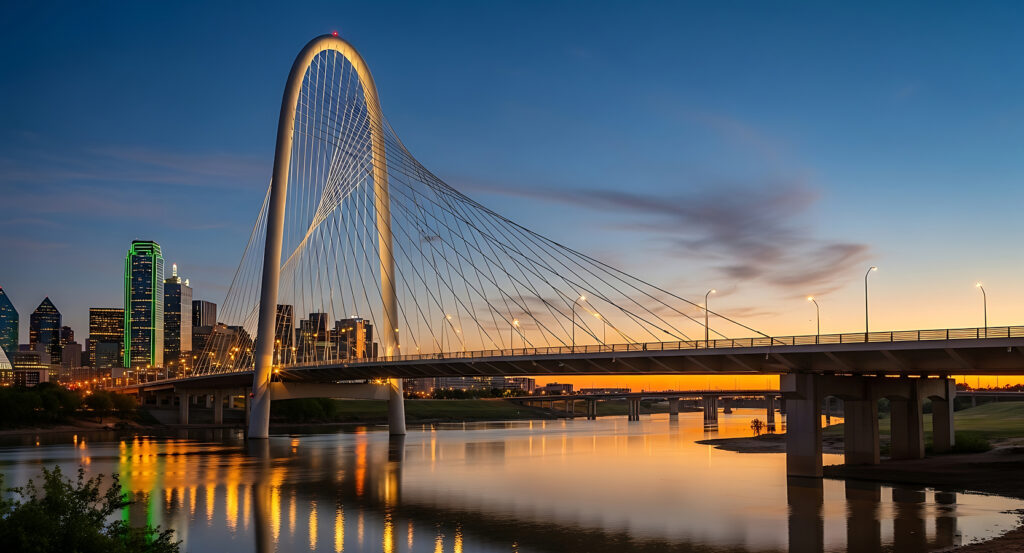
Why you should experience Pearl Expressway in Dallas, Texas.
Pearl Expressway is a dynamic corridor where Downtown's transportation innovation, architectural ambition, commercial vitality, and urban renewal converge along one of the city's defining gateways.
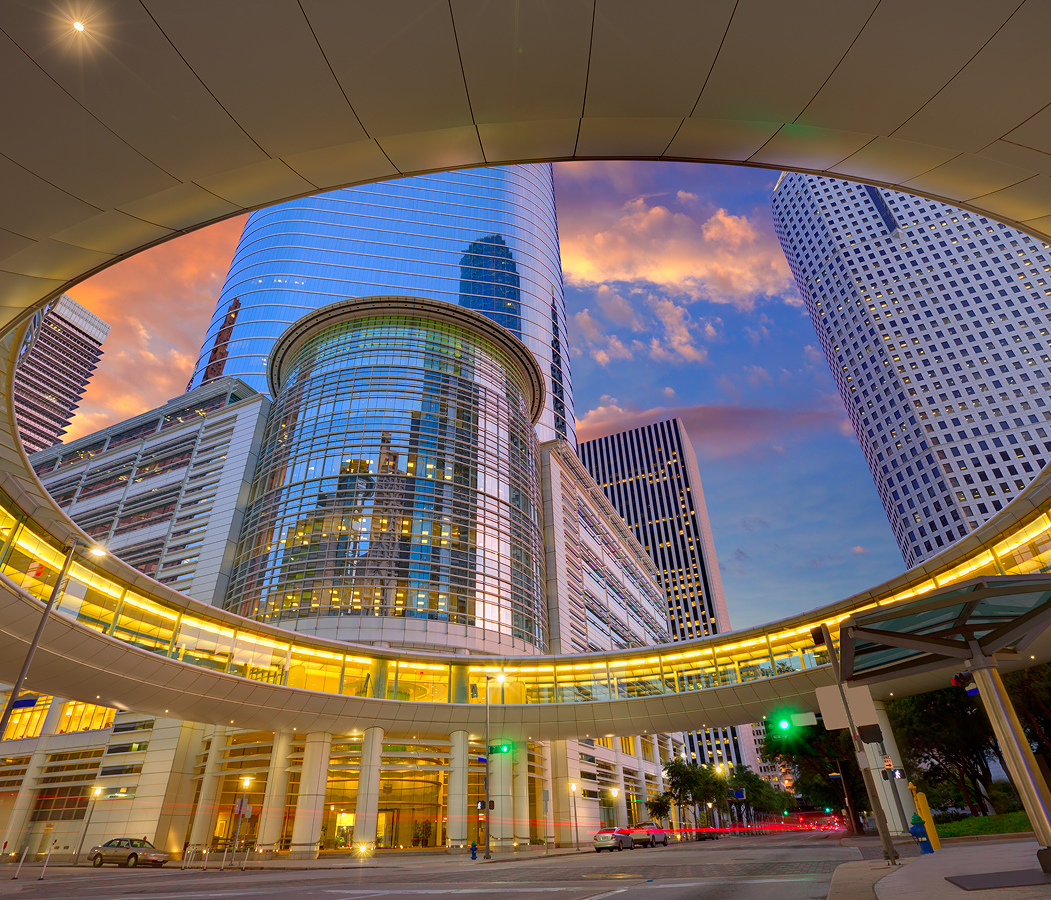
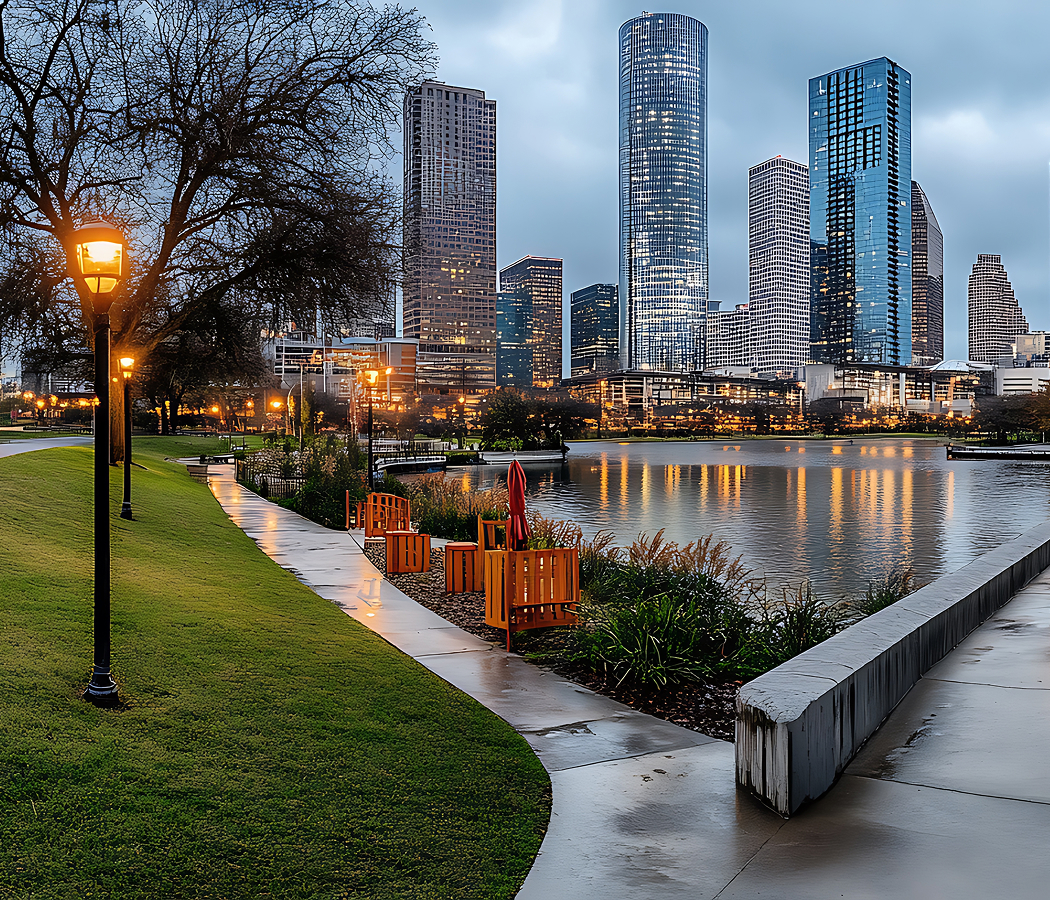
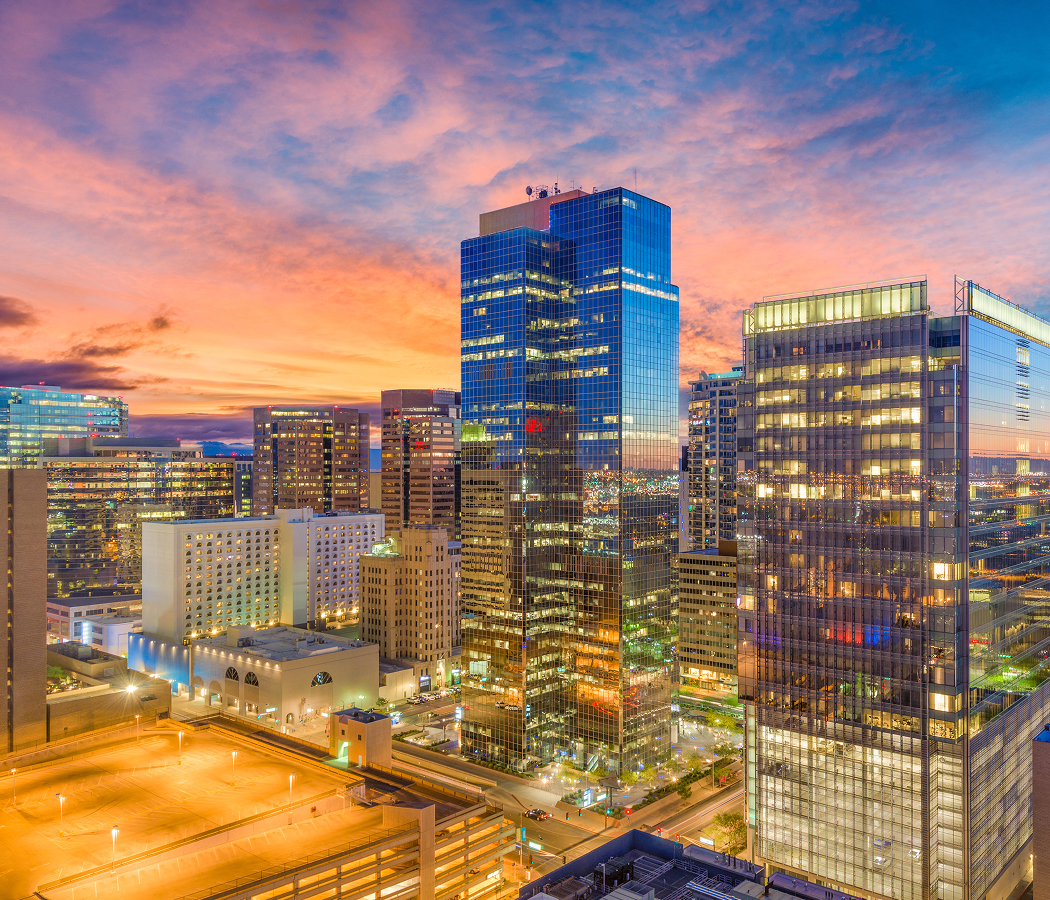
Running through Downtown between the Arts District and Deep Ellum, the expressway connects landmark office towers, cultural institutions, medical campuses, and regional highways that reflect Dallas' emergence as one of the Southwest's leading metropolitan centers. Each successive stretch reveals soaring glass towers, reinforced concrete viaducts, landscaped frontage roads, mature street trees, and dramatic skyline views that reinforce the corridor's unmistakably metropolitan identity. The defining moment arrives as Pearl Expressway demonstrates how transportation infrastructure and city-building have evolved together across successive generations. The result is an experience defined by engineering achievement, architectural distinction, and one of Downtown's most significant urban corridors.
What you should know about Pearl Expressway.
Pearl Expressway is best known for forming part of the North Central Expressway (U.S. Route 75) corridor, whose modernization during the 1990s reshaped one of Texas' busiest transportation routes through an ambitious reconstruction program that replaced aging freeway infrastructure with depressed roadways, expanded bridges, landscaped frontage roads, and improved urban connectivity. Earlier highway construction during the 1950s established the route as Dallas' principal north-south transportation spine, supporting the city's expanding commercial districts while permanently influencing development patterns surrounding Downtown. Engineering improvements incorporated reinforced concrete retaining walls, multi-span bridge structures, drainage systems, noise mitigation measures, structural steel components, and carefully integrated streetscape treatments that continue defining the corridor's physical character. The expressway also strengthened access to the Dallas Arts District, Baylor University Medical Center, and the central business district, reinforcing its importance as a transportation link connecting major civic, cultural, and employment destinations throughout the metropolitan area. Coordinated landscape enhancements, widened frontage roads, upgraded pedestrian crossings, and durable infrastructure continue expressing the long-term planning principles that guided one of Dallas' most influential transportation projects. Collectively, the corridor's highway modernization, engineering innovation, regional connectivity, and urban integration established Pearl Expressway as one of Downtown's defining transportation corridors.
The Texas Department of Transportation continues managing long-term maintenance, bridge rehabilitation, traffic operations, and infrastructure improvements that preserve Pearl Expressway's role within one of North Texas' busiest highway systems. The North Central Texas Council of Governments has supported regional mobility planning, multimodal transportation initiatives, and corridor coordination that strengthen connections between Downtown and surrounding communities while complementing the expressway's evolving transportation function. Native cedar elms, live oaks, ornamental grasses, bioswales, limestone retaining walls, and landscaped embankments soften the engineered environment while improving stormwater performance and reinforcing the corridor's visual continuity. Together, these transportation agencies, regional planning initiatives, and resilient landscape features demonstrate how Pearl Expressway continues evolving through sustained infrastructure stewardship that balances mobility with an improved urban environment.
How to fold Pearl Expressway into your trip.
Pearl Expressway works as an exploration of Downtown's architecture, engineering, and cultural institutions.
Begin at Dallas Arts District, where internationally recognized museums and performance venues establish the cultural significance of the surrounding city center while naturally introducing the urban landscape shaped by Pearl Expressway. Continue to Klyde Warren Park, where the celebrated deck park spanning the Woodall Rodgers corridor deepens appreciation for Dallas' innovative approach to reconnecting neighborhoods before guiding the experience toward its historical centerpiece. Conclude at Deep Ellum, where restored industrial buildings, celebrated murals, and renowned music venues provide the historical payoff by illustrating how transportation infrastructure has long influenced one of Dallas' most creative neighborhoods. The progression moves naturally from cultural institutions to urban engineering before culminating in the historic district whose evolution reflects the city's broader story of growth and connectivity.
Where your story begins.
Foresyte Travel reveals places that feel extraordinary long before you arrive.
Experience premium editorial crafted for luxury travelers.