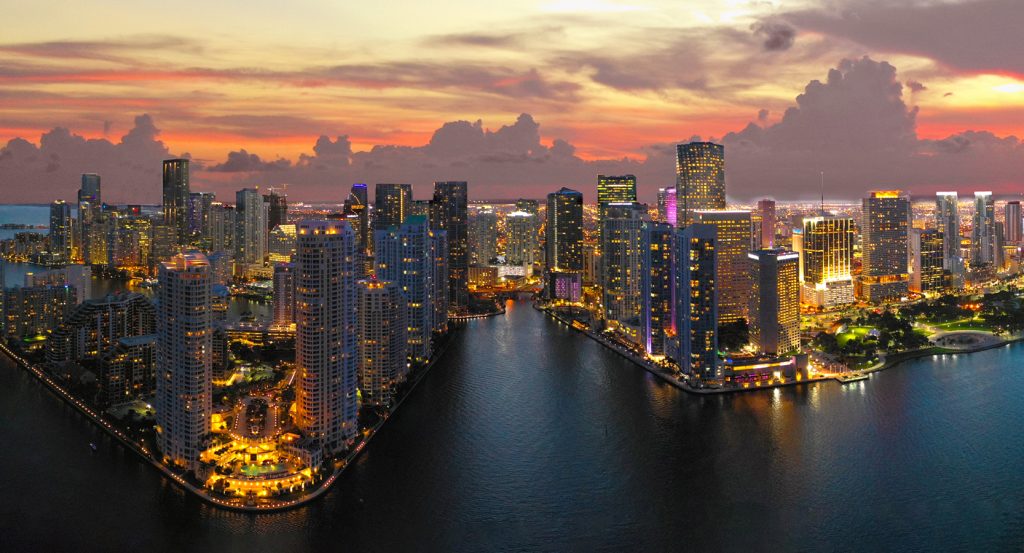
Why you should experience Pine Tree Drive in Miami, Florida.
Pine Tree Drive is a spirited corridor where Mid-Beach's architectural prestige, tropical landscape, waterfront elegance, and enduring residential character define one of Miami Beach's most celebrated scenic streets.
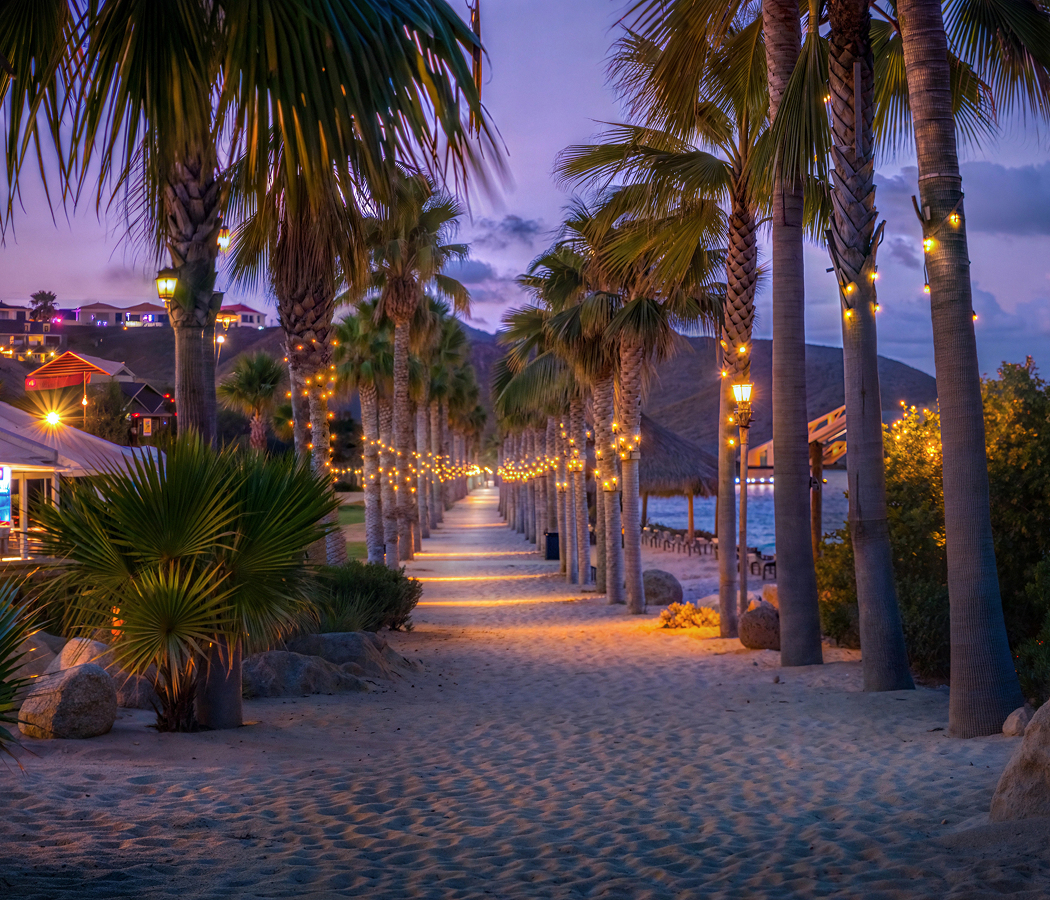
Running through Mid-Beach between Bayshore and La Gorce, the corridor winds beneath an expansive canopy of mature banyans, live oaks, royal palms, and gumbo limbo trees while connecting architect-designed estates, luxury residential buildings, historic country clubs, waterfront neighborhoods, and lush landscaped setbacks that collectively reflect nearly a century of distinguished development. Broad parkways, Mediterranean Revival residences, Mid-Century Modern landmarks, and carefully preserved tropical vegetation create a streetscape where architecture and landscape remain inseparable. Throughout the corridor, notable private estates, cultural landmarks, and thoughtfully integrated public spaces reinforce a setting whose character has evolved through exceptional design and long-term stewardship. The result is an experience defined by sophistication, serenity, and one of Miami Beach's most distinguished residential corridors.
What you should know about Pine Tree Drive.
Pine Tree Drive is best known for tracing one of Miami Beach's earliest prestigious residential corridors, whose development accelerated after Carl G. Fisher's campaigns during the 1910s and 1920s transformed the barrier island into an internationally recognized resort destination. The roadway follows the western side of Miami Beach parallel to Indian Creek, where dredging operations, land reclamation, and canal engineering created expansive waterfront residential parcels that attracted affluent seasonal residents throughout the early twentieth century. Properties lining the corridor showcase Mediterranean Revival villas, Colonial Revival residences, Art Deco apartment buildings, Tropical Modern homes, and Mid-Century Modern estates designed by architects including Russell Pancoast, L. Murray Dixon, Henry Hohauser, and Igor Polevitzky, illustrating successive generations of South Florida residential architecture. The nearby Miami Beach Golf Club, originally opened in 1923 as Bayshore Golf Course before its redesign by Arthur Hills and reopening in 2002, reflects the recreational landscape that developed alongside Pine Tree Drive during Miami Beach's formative decades. Mature banyans, royal palms, live oaks, mahogany trees, gumbo limbo, and sea grape continue forming one of the city's most impressive urban canopies while preserving the lush subtropical character envisioned during the corridor's earliest development.
Adjacent to the corridor, the Miami Beach Botanical Garden, redesigned by landscape architect Raymond Jungles and reopened in 2011, expanded the neighborhood's botanical legacy through native Florida plant communities, cycads, orchids, and subtropical collections that complement Pine Tree Drive's mature landscape. Nearby Temple Beth Sholom, completed in 1957 to designs by Percival Goodman, introduced one of South Florida's most significant examples of Modernist synagogue architecture while reinforcing the corridor's longstanding cultural prominence. Oolitic limestone walls, terrazzo entrance courts, decorative wrought iron, and coral stone landscape features repeated throughout historic estates demonstrate the craftsmanship and material palette that distinguished Miami Beach's finest residential construction across multiple architectural eras. Together, these botanical resources, cultural landmarks, and enduring architectural materials deepen the historical narrative established by Pine Tree Drive's celebrated residential landscape, demonstrating why the corridor remains synonymous with Miami Beach's architectural refinement and tropical identity.
How to fold Pine Tree Drive into your trip.
Pine Tree Drive works as a leisurely exploration of Miami Beach's grand residential landscapes, tropical scenery, and cultural attractions.
Begin at Miami Beach Botanical Garden, where native Florida species, tropical collections, and tranquil water features provide an engaging introduction before following Pine Tree Drive beneath its celebrated tree canopy. Continue to Miami Beach Golf Club, whose historic fairways, mature landscape, and distinguished clubhouse reveal another chapter of the corridor's early twentieth-century evolution. Conclude at Collins Park, where sculpture, ocean breezes, and architecturally significant cultural institutions provide a memorable finale connecting the residential elegance of Pine Tree Drive with Miami Beach's broader artistic identity. The progression moves naturally from botanical landscape through historic recreation before concluding within one of the city's defining cultural settings, revealing why Pine Tree Drive remains one of Miami Beach's most remarkable corridors.
Where your story begins.
Foresyte Travel reveals places that feel extraordinary long before you arrive.
Experience premium editorial crafted for luxury travelers.