
Why Floral Clock matters.
Floral Clock at Princes Street Gardens in Edinburgh is one of those rare city treasures that turns time itself into a living artwork.
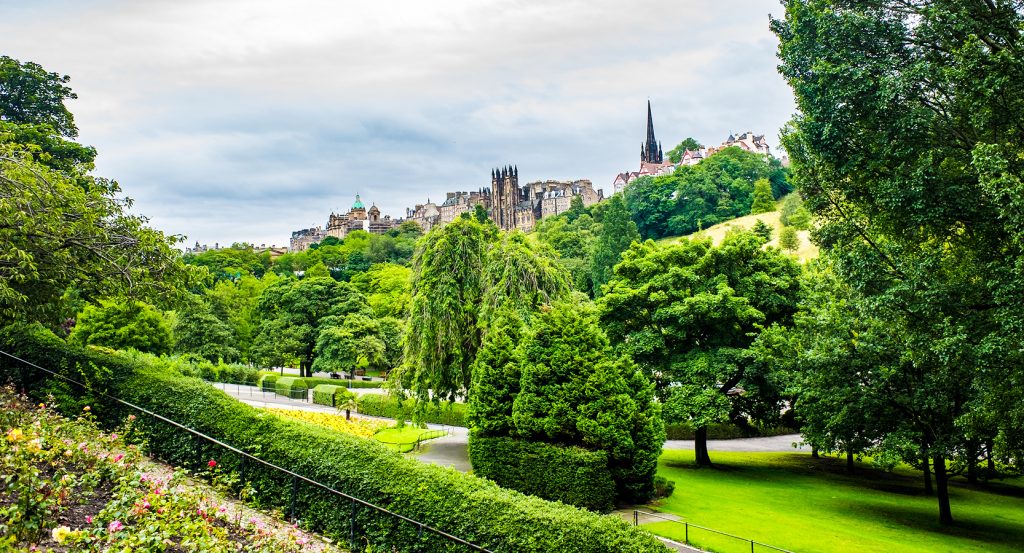
Tucked into the western end of Princes Street Gardens, near the foot of the Mound, it's more than just a horticultural marvel, it's a quiet symbol of the city's ingenuity and pride. Each summer, thousands of energetic blooms are meticulously arranged to form the clock's face, its hands gliding gracefully across beds of begonias, lobelias, and alyssum. The air hums with the scent of flowers and the murmur of passersby pausing to marvel at its precision. The clock keeps perfect time, yet it feels timeless, a burst of color framed by the green expanse of the Gardens and the looming majesty of Edinburgh Castle above. To see it in full bloom is to witness artistry in motion: the meeting point between nature, design, and Scottish craftsmanship. Locals wait for its annual unveiling the way others wait for spring, it's not just a display; it's a ritual that marks the rhythm of the city itself.
What defines Floral Clock.
Edinburgh's Floral Clock holds a quiet claim to fame, it was the first of its kind in the world.
Installed in 1903 by Parks Superintendent John McHattie and clockmaker James Ritchie, it began as an experiment in combining horticulture with mechanics. Its first design used 13,000 plants and had to be replanted by hand each season. The mechanism beneath the soil is a masterpiece of engineering, originally powered by clockwork, later electrified, and still synchronized to keep perfect time more than a century later. The clock's face changes theme annually, often commemorating Scottish anniversaries, royal events, or global milestones. Past designs have celebrated everything from the Commonwealth Games to the NHS, each one hand-planted with geometric precision over several weeks. The hands themselves are covered in flowers too, rotating silently above the living mosaic. Few visitors realize that the clock also chimes, a soft, melodic note that blends into the hum of Princes Street Gardens, barely noticeable until you pause to listen. For more than 120 years, it has inspired imitators across the world, from Sydney to Tokyo, but none match the original's charm or setting. Edinburgh's Floral Clock isn't just a garden ornament; it's a monument to patience, pride, and the artistry of time itself.
How Floral Clock fits.
Experiencing Floral Clock is best done slowly, it rewards those who linger.
Approach it from the Mound entrance of Princes Street Gardens, where the path slopes downward and the clock reveals itself like a secret tucked into the hillside. Visit between May and September, when the flowers are in full bloom and the design for the year is at its most dynamic. Early morning visits offer quiet reflection, you'll hear only the rustle of leaves and distant footsteps on the cobblestones above. Later in the day, come with a coffee in hand and watch the blend of sunlight across the flowerbeds, each hue shifting subtly with the passing hours. The nearby Ross Fountain offers a perfect complement for photos, bronze and bloom, history and life intertwined. If you climb the Mound afterward, glance back from halfway up: from this height, you can see how the clock's symmetry aligns perfectly with the Gardens' terraces, a living reminder that even time itself can be beautiful. Whether you stop for five minutes or an hour, Floral Clock in Edinburgh will leave you with the quiet satisfaction of having witnessed something both ephemeral and eternal, a city's devotion to beauty, measured one bloom at a time.
Where your story begins.
Foresyte Travel reveals places that feel extraordinary long before you arrive.
Enjoy editorial crafted for luxury travelers.
Foresyte may earn a commission when you book.














































































































