Why Roulotte Matira matters.
Roulotte Matira is a casual Polynesian food truck where Matira's beachfront community meets French Polynesia's roadside dining traditions, freshly grilled island cooking and the informal social life of Bora Bora's southern peninsula.
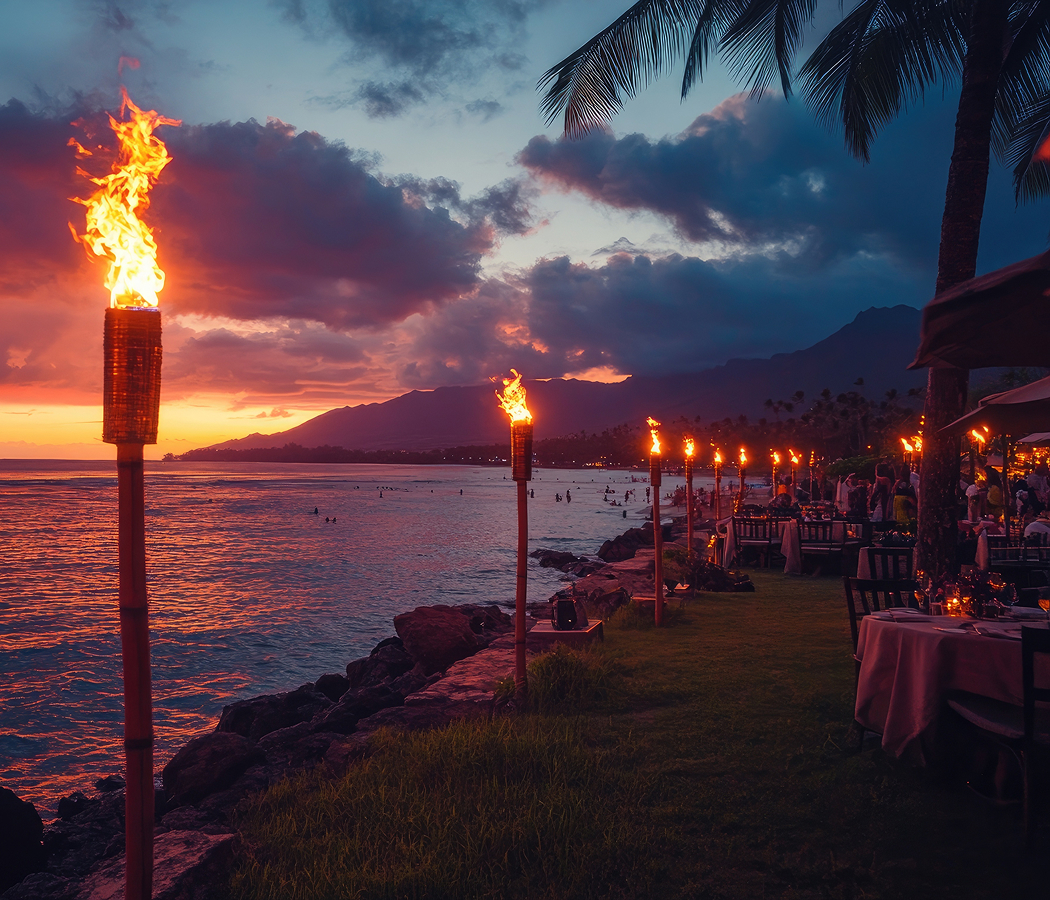
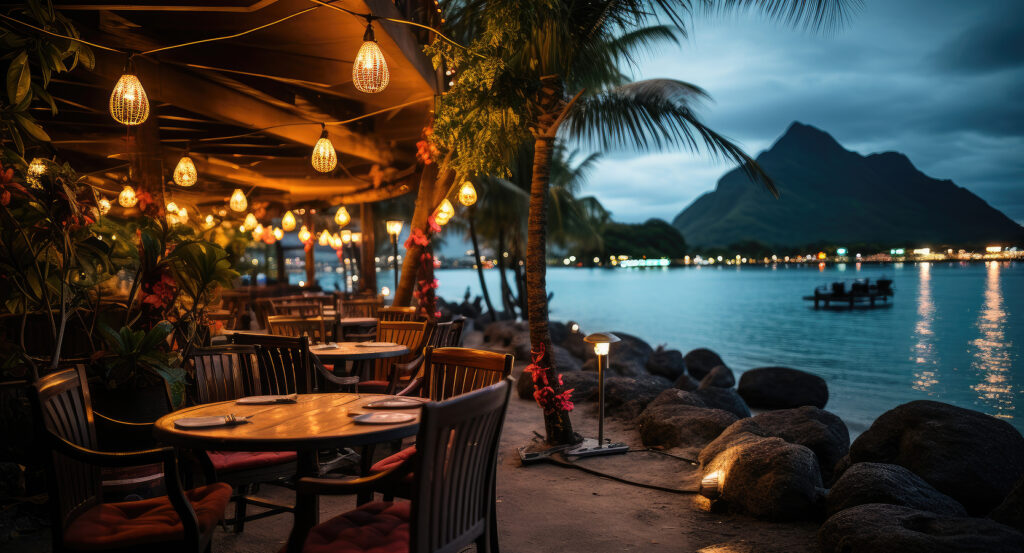
Situated near the southern end of Bora Bora along the coastal road bordering Matira Beach, the food truck occupies a modest roadside dining area within walking distance of the lagoon, where small restaurants, residential properties and tropical vegetation connect the island's inhabited shoreline with its principal public beach. Open-air tables accommodate diners beside the cooking area, establishing a direct relationship between food preparation and service. The surrounding coastal road provides access for residents, beachgoers and travelers staying along the peninsula. Coconut palms and low tropical vegetation frame the informal dining setting. The result is an approachable local food stop whose straightforward cooking, beachfront proximity and connection to Polynesian roadside dining distinguish it within Bora Bora's restaurant scene.
What defines Roulotte Matira.
Roulotte Matira is best known for its informal food-truck setting, freshly prepared meals and association with the roadside dining traditions of French Polynesia. Its culinary background belongs to the roulotte culture that developed across Tahiti and the wider Society Islands, where mobile kitchens became an established feature of evening dining and neighborhood commerce. The French word roulotte refers to a trailer or mobile establishment, describing the vehicles used to prepare and serve meals in public gathering areas. Polynesian food trucks developed around the practical advantages of compact kitchens, flexible operating locations and direct service to customers. Their menus incorporated French cooking traditions alongside Chinese-influenced preparations and locally familiar island dishes. French colonial connections introduced European culinary techniques and ingredients that became established within the islands' food culture. Chinese migration during the nineteenth century contributed noodles, stir-fried preparations and additional approaches to seasoning and cooking. These influences gradually combined with Polynesian ingredients, including fish, coconut, tropical vegetables and locally grown fruit. The resulting roadside dining tradition accommodated substantial meals at comparatively accessible prices. Tahiti's evening food-truck gatherings became especially prominent around public waterfront spaces, where multiple operators served residents and travelers. Similar establishments developed throughout the Society Islands, adapting the format to smaller island communities and local patterns of commerce. Bora Bora's expanding tourism economy created additional demand for independent dining establishments beyond resort properties. The island's coastal road provided a practical setting for small restaurants and mobile food businesses serving residential districts and beach areas. Roulotte Matira belongs to this tradition of informal cooking associated with the island's southern shoreline. Its importance lies in the accessibility of Polynesian roadside dining within a destination internationally associated with luxury resort restaurants.
Matira's coastal food culture combines the practical organization of small kitchens with the culinary influences that distinguish everyday dining in French Polynesia. Grilled fish occupies an important place in the wider island food tradition, drawing upon marine resources associated with the surrounding Pacific waters. Mahi-mahi provides firm flesh suited to grilling and simple accompaniments. Tuna contributes a versatile ingredient used in cooked preparations and the raw-fish dishes familiar throughout the Society Islands. Poisson cru, a characteristic Polynesian preparation, combines raw fish with citrus juice, coconut milk and fresh vegetables. The dish's balance of acidity and richness demonstrates the importance of coconut and seafood within regional cooking. Grilled meats form a substantial component of roadside dining, accompanied by rice, vegetables or fried potatoes. Chinese-influenced dishes such as chow mein and fried rice demonstrate the longstanding contribution of immigrant communities to Polynesian food culture. French preparations contribute sandwiches, crêpes and familiar approaches to sauces and grilled dishes. Tropical fruit supplies fresh accompaniments and desserts, connecting meals with the agricultural products of the islands. The roulotte format places cooking equipment, ingredient storage and service functions within a compact working area. Orders are prepared close to the dining tables, maintaining direct contact between kitchen staff and customers. Open-air seating accommodates the tropical climate and the relaxed pace of island dining. Evening meals form an important part of the wider roulotte tradition, particularly in locations connected with beaches and community gathering areas. The informal arrangement supports short meals and extended conversations within the same setting. Roulotte Matira's character belongs to this broader culinary tradition, connecting Bora Bora's coastal geography with the practical food culture of the Society Islands.
How Roulotte Matira fits.
Roulotte Matira works as the casual dining anchor for a Bora Bora outing connecting the island's public shoreline, its ancient volcanic landscape and the maritime community that supports everyday life beyond the surrounding resort properties.
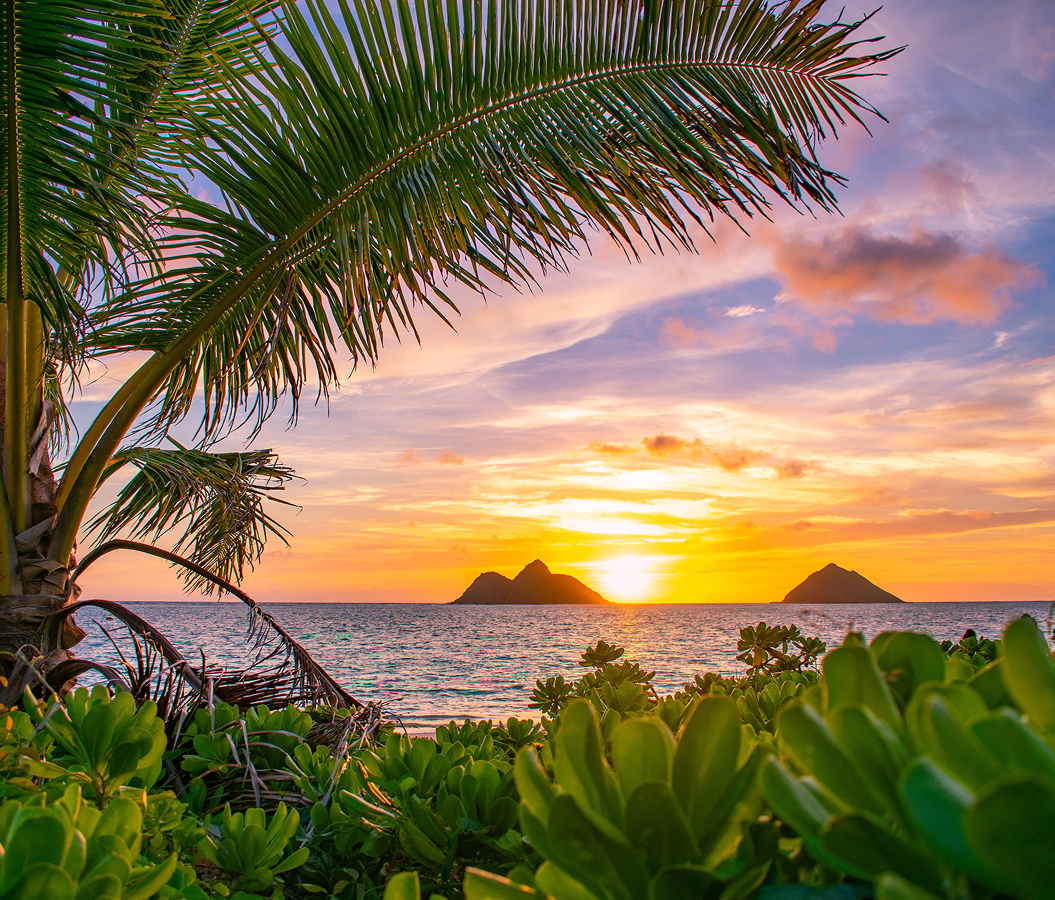
Begin at Matira Beach, the extensive public shoreline occupying Bora Bora's southern peninsula. Its pale coral-derived sand descends gradually into shallow turquoise water protected by the surrounding barrier reef. Coconut palms border sections of the beach, and the gently sloping seabed creates broad swimming areas under favorable conditions. The western shoreline provides expansive views across the lagoon during sunset. Its accessibility distinguishes the beach within an island whose tourism infrastructure includes numerous private-islet resorts. Continue to Mount Otemanu, the imposing volcanic peak rising above Bora Bora's mountainous interior. Reaching 727 meters, the summit preserves the eroded remains of the ancient volcanic structure responsible for the island's formation. Its steep basaltic cliffs and jagged ridges reveal the effects of prolonged weathering on the original mountain mass. Tropical vegetation covers portions of the lower slopes, creating a pronounced contrast with the exposed rock above. Guided excursions through accessible lower terrain introduce the geological development of the island and its relationship with the surrounding coral reef. Conclude at Vaitape, Bora Bora's principal settlement and commercial harbor along the western coast. The village serves as the island's administrative and transportation center, with ferry connections linking the main island to its airport and surrounding maritime routes. Shops, restaurants and community facilities occupy the waterfront, maintaining the harbor's importance within the local economy. Its position beside the lagoon provides views toward the mountainous interior and offshore reef. Vaitape's commercial activity introduces the continuing importance of maritime transportation and neighborhood commerce within Bora Bora's island economy. The progression moves from Matira Beach's sheltered shoreline through Mount Otemanu's volcanic geology and culminates at Vaitape's working harbor, connecting Roulotte Matira with the natural and cultural foundations of Bora Bora.
Where your story begins.
Foresyte Travel reveals places that feel extraordinary long before you arrive.
Enjoy editorial crafted for luxury travelers.
Foresyte may earn a commission when you book.