Why you should experience Royal Palm Avenue in Miami, Florida.
Royal Palm Avenue is a graceful corridor where South Beach's Art Deco heritage, tropical landscape, residential elegance, and enduring resort character continue defining one of Miami Beach's most distinctive neighborhood streets.
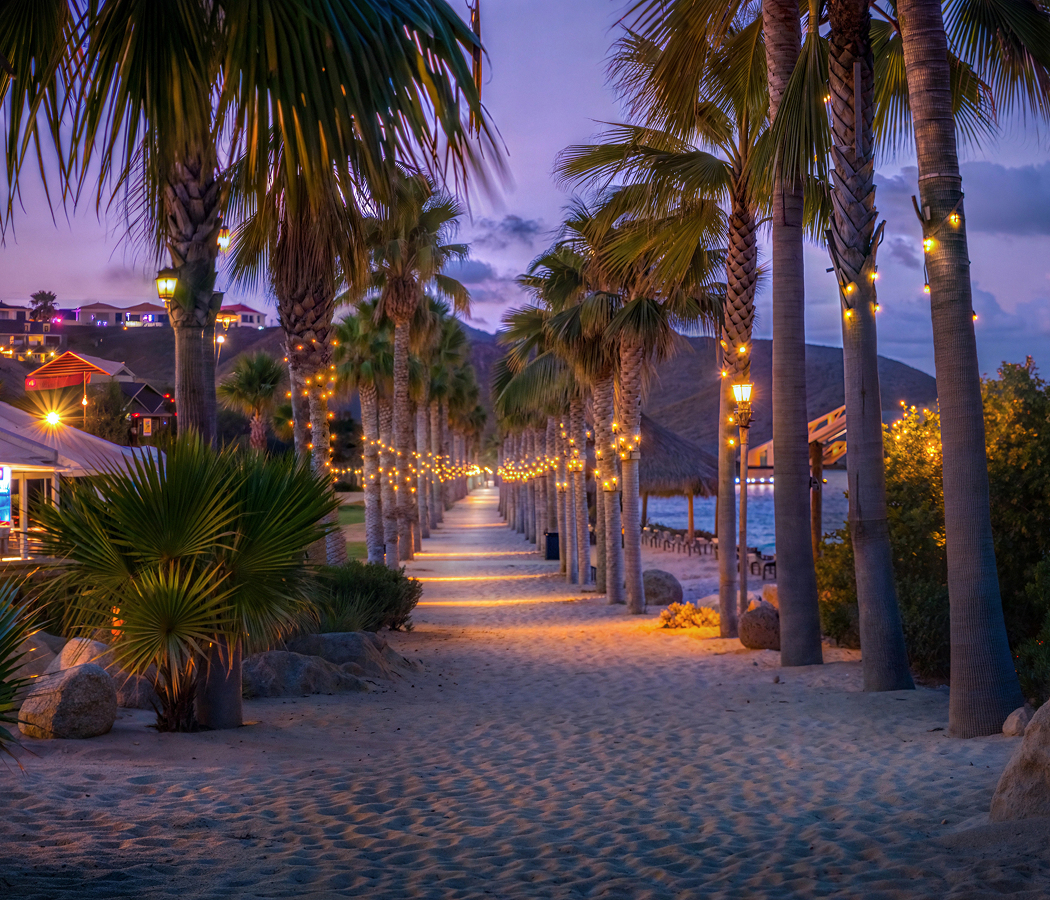
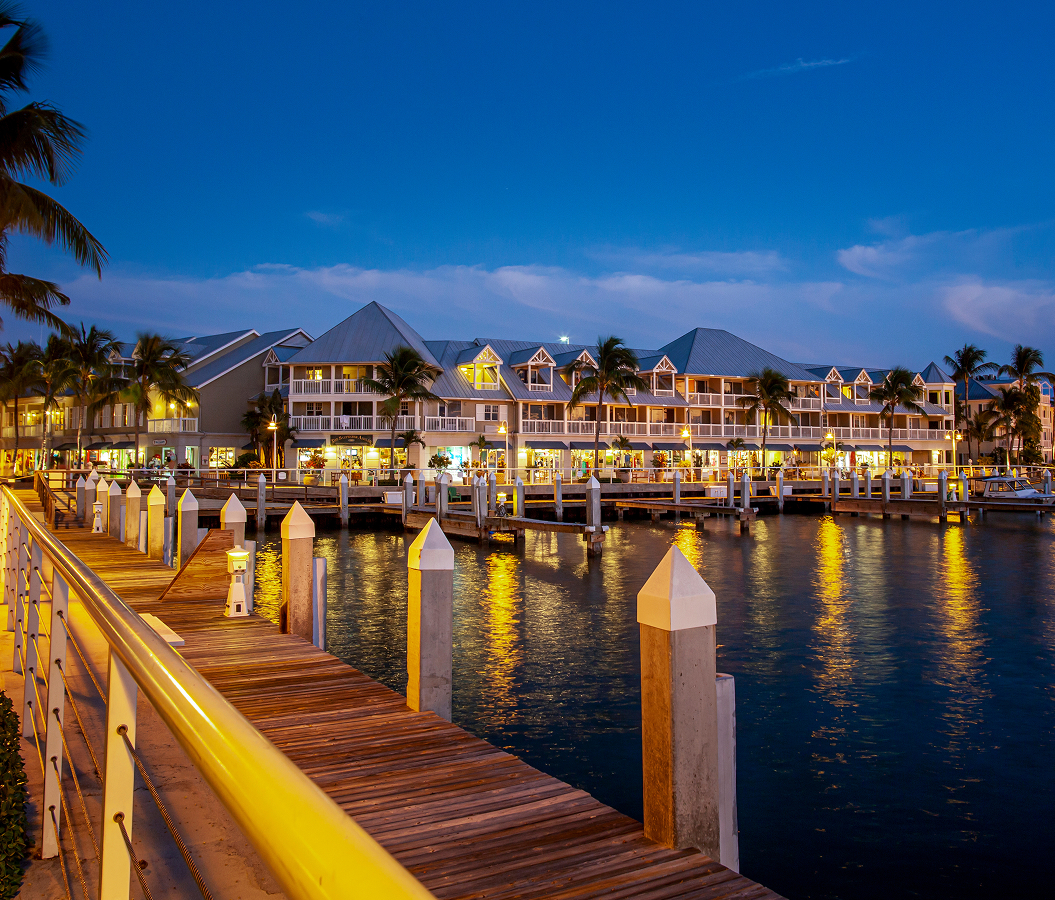
Running through South Beach between Flamingo/Lummus and City Center, the corridor connects celebrated Art Deco apartment houses, boutique hotels, shaded residential blocks, neighborhood cafés, and mature royal palms that collectively reflect nearly a century of architectural continuity. Curving façades, pastel stucco buildings, terrazzo entrances, and broad sidewalks preserve the intimate pedestrian scale established during Miami Beach's principal era of development while complementing the surrounding subtropical landscape. Throughout the corridor, architect-designed buildings, historic hospitality properties, and carefully maintained streetscapes reinforce a setting whose character has matured through preservation. The result is an experience defined by sophistication, tranquility, and one of South Beach's most elegant residential corridors.
What you should know about Royal Palm Avenue.
Royal Palm Avenue is best known for extending through the Miami Beach Architectural District, listed on the National Register of Historic Places in 1979 as the nation's first historic district recognized primarily for twentieth-century architecture. Residential and hospitality development accelerated during the 1920s and 1930s as Carl G. Fisher's vision for Miami Beach attracted investment in apartment buildings, courtyard hotels, and seasonal residences designed in Mediterranean Revival, Art Deco, and Streamline Moderne styles. Architects including Henry Hohauser, L. Murray Dixon, Albert Anis, Anton Skislewicz, and Lawrence Murray shaped buildings adjoining the corridor through rounded corners, ribbon windows, glass block, terrazzo floors, decorative relief panels, and nautical-inspired detailing that became defining characteristics of Miami Beach architecture. The corridor's proximity to Collins Canal, Ocean Drive, and the Atlantic shoreline strengthened its appeal as a residential address while encouraging a compact urban form centered on walkability and hospitality. Royal palms, gumbo limbo trees, live oaks, silver buttonwood, and tropical understory plantings continue reinforcing the lush subtropical setting that has distinguished Royal Palm Avenue since its formative decades.
Nearby the Miami Beach Woman's Club, completed in 1933 to designs by August Geiger, preserves one of the city's finest examples of Mediterranean Revival civic architecture while reflecting the influential civic organizations that shaped Miami Beach during its early growth. The Bass, occupying a 1930 Art Deco library designed by Russell Pancoast before its transformation into a contemporary art museum, extends the corridor's architectural narrative by illustrating the adaptive reuse of one of Miami Beach's most distinguished public buildings. Terrazzo entryways, cast-stone ornamentation, porthole windows, decorative ziggurat parapets, and original metal casement windows surviving throughout adjoining buildings reveal the craftsmanship that unified Miami Beach's celebrated architectural character across successive generations of development. Together, these civic landmarks, cultural institutions, and preserved architectural details deepen the historical narrative established by Royal Palm Avenue's residential streetscape, demonstrating why the corridor remains integral to Miami Beach's architectural legacy.
How to fold Royal Palm Avenue into your trip.
Royal Palm Avenue works as a leisurely exploration of South Beach's architectural heritage, tropical streetscapes, and coastal atmosphere.
Begin at Collins Park, where sculpture, mature tropical landscaping, and shaded public spaces provide an inviting introduction before following Royal Palm Avenue through one of Miami Beach's most architecturally distinguished neighborhoods. Continue to The Fillmore Miami Beach at the Jackie Gleason Theater, whose celebrated performance history and restored mid-century architecture deepen the appreciation for the area's cultural evolution. Conclude at Miami Beach Botanical Garden, where native Florida species, tropical collections, and serene water features provide a memorable finale celebrating the landscape that has long defined Miami Beach. The progression moves naturally from public art through cultural performance before concluding within one of the city's most beautiful botanical settings, revealing why Royal Palm Avenue remains one of South Beach's defining corridors.
Where your story begins.
Foresyte Travel reveals places that feel extraordinary long before you arrive.
Experience premium editorial crafted for luxury travelers.