
Why Rue Montmartre matters.
Rue Montmartre is a renowned Bonne-Nouvelle corridor where medieval commerce, publishing innovation, financial ambition, and Parisian culture converge along one of the capital's oldest and most influential streets.
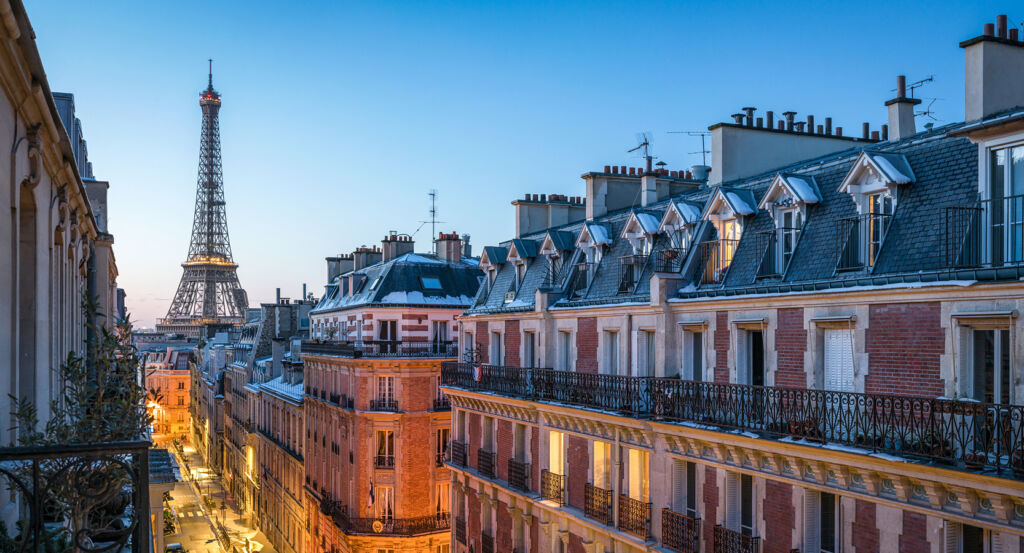
Running through Bonne-Nouvelle between Les Halles and Grands Boulevards, this remarkable historic corridor unfolds through elegant Haussmannian buildings, celebrated newspaper headquarters, historic cafés, distinguished commercial façades, lively restaurants, and beautifully preserved streetscapes that chronicle the transformation of Paris into one of Europe's foremost commercial and media capitals. Monumental stone architecture, ornate balconies, richly decorated storefronts, and constant pedestrian activity reveal a corridor shaped by centuries of entrepreneurship, journalism, and civic life. Every block reflects the remarkable continuity of a street that has remained central to the economic and cultural development of Paris since the Middle Ages. The result is a corridor defined by historical significance, commercial legacy, and one of the city's most enduring urban thoroughfares.
What defines Rue Montmartre.
Rue Montmartre is best known for preserving the ancient route connecting medieval Paris with the hill of Montmartre while becoming the heart of France's newspaper industry during the nineteenth and early twentieth centuries, when influential publications including Le Journal, Le Petit Parisien, and numerous national newspapers established headquarters along the corridor, transforming it into the center of French journalism during the Belle Époque. The street also occupies an important place in commercial history through its close association with the former Les Halles markets and the Paris Bourse district, while the nearby Passage des Panoramas, opened in 1800 as one of the world's earliest covered shopping arcades, reinforced the neighborhood's reputation as one of the capital's great centers of commerce, publishing, and innovation.
Rue Montmartre continues expressing this remarkable legacy through historic office buildings, neighborhood cafés, independent businesses, celebrated restaurants, and carefully preserved architecture that sustain the energetic rhythm of Central Paris. Elegant nineteenth century façades, thriving commercial life, and enduring cultural institutions demonstrate how the corridor has continually adapted to new eras while preserving the entrepreneurial spirit that established it among the capital's most influential historic streets.
How Rue Montmartre fits.
Rue Montmartre works as an exploration through Bonne-Nouvelle's celebrated commercial heritage, historic passages, and architectural landmarks.
Begin at Passage des Panoramas, where one of the world's oldest covered shopping arcades introduces the neighborhood's extraordinary commercial innovation before following Rue Montmartre through the historic heart of Parisian publishing. Continue to Bibliothèque nationale de France, Site Richelieu, whose grand reading rooms and exceptional collections celebrate centuries of French intellectual achievement. Conclude at Bourse de Commerce Pinault Collection, where one of Paris' most remarkable architectural transformations provides a memorable finale celebrating commerce, culture, and artistic innovation. The progression moves naturally from pioneering retail architecture to national scholarship before concluding through one of the capital's defining cultural destinations, revealing why Rue Montmartre remains one of Paris' most historically significant corridors.
Where your story begins.
Foresyte Travel reveals places that feel extraordinary long before you arrive.
Experience premium editorial crafted for luxury travelers.
Foresyte Travel may earn a commission when you book through the link on this page.














































































































