
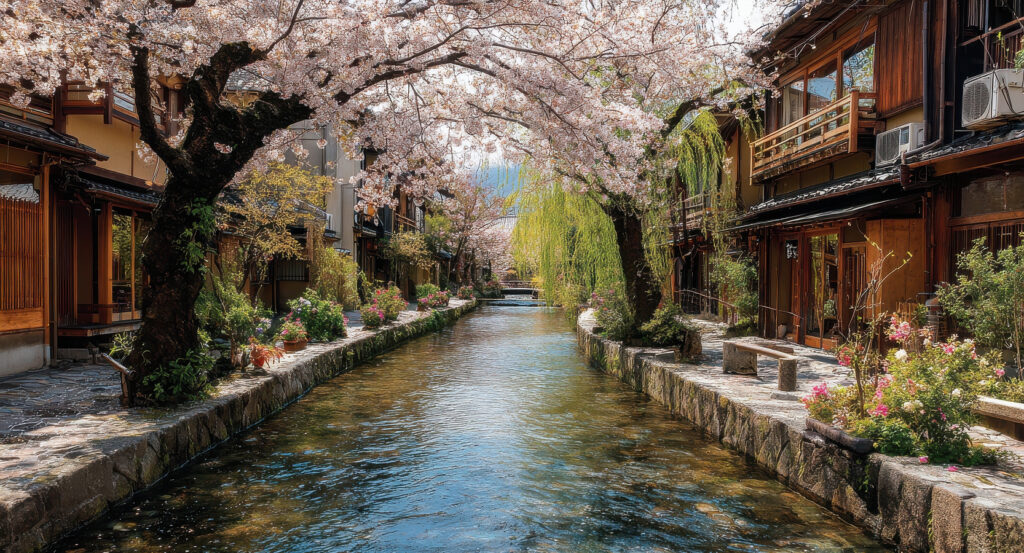
Why you should experience Saka Hotel Kyoto in Kyoto, Japan.
Saka Hotel Kyoto is Kyoto lived with ease, thoughtful design, and urbane balance, a hotel that does not compete with the city's history but instead makes your time in it feel clear, comfortable, and connected.
Located near Kyoto Station and the Kawaramachi shopping and dining districts, Saka functions as a practical yet expressive base where the city feels accessible and alive. Arrival here is direct, immediate, and unpretentious: you step off the sidewalk into interiors shaped by clean proportions, warm materials, and a visual logic that favors clarity over performance. Public spaces feel composed. They are designed to orient rather than distract, emphasizing tactile surfaces, considered sightlines, and an overall atmosphere of calm efficiency rather than physical noise. The reception area and lounges feel like refined everyday rooms, warm, orderly, and scaled to human movement. Guest rooms reinforce this character with functional intelligence and quiet comfort. Rooms are well sized for Kyoto's city center and arranged to support rest, work, and reflection. Beds are thoughtfully designed for reliable, restorative sleep after long days spent walking temple precincts, gardens, and neighborhood streets. Windows frame city views, rooftops, tree-lined avenues, and distant hills, allowing Kyoto's fabric to remain present. Furniture is refined and purposeful. Desks accommodate real work, seating invites lingering or conversation, and storage systems enable you to unpack and settle in. Rooms feel calm, composed, and designed for living. Lighting is soft and layered, enabling smooth transitions from morning to evening without harsh contrast or mood signals that compete with daily rhythm. Bathrooms are clean, efficient, and well arranged, prioritizing usability and water quality over ornamental statement. Showers are strong and consistent, layouts are intuitive, and materials feel warm under repeated use. Dining and shared spaces at Saka Hotel Kyoto extend the hotel's balanced approach. Breakfast unfolds in an environment that feels quiet and purposeful, providing nourishment and planning space. Lounges and common areas function as transitional zones, places to rest, orient, or gather. Service here is attentive, reliable, and unpretentious. Interactions feel human and helpful, guided by local knowledge and practical support. Staff offer guidance tuned to context: best routes to temples, quieter walking lanes, transit tips, and neighborhood discoveries that feel authentic. The hotel naturally attracts travelers who value coherence over flash: independent explorers, repeat visitors to Kyoto, professionals on extended stays, and anyone who wants the city to feel navigable. Saka Hotel Kyoto does not reduce Kyoto to visual cliché or buffer you from its complexity. It frames the experience in ways that make the city feel accessible, legible, and comfortably present, not softened, not diluted, but genuinely lived.
What you should know about Saka Hotel Kyoto.
Saka Hotel Kyoto was designed around the idea that clarity of space and everyday comfort matter as much as location and amenity, especially in a city like Kyoto where life is lived horizontally.
The property's planning reflects a deep understanding of how travelers move through space in an urban context: entry, orientation, rest, circulation, return, and pause. Public spaces were arranged to reduce friction, locations and sightlines that help you arrive and orient. Materials were chosen for longevity and warmth rather than immediate visual impact: timber, muted textiles, and matte surfaces that absorb sound and light gracefully. Guest room layouts were developed with an emphasis on use-based logic. Designers observed how guests unpack, rest, work briefly, and reset over the course of multiple nights, resulting in rooms that feel intuitive and complete. Storage, work surfaces, and lighting adaptability were integrated early in the planning. Lighting systems complement natural daylight and support circadian rhythm, reducing visual fatigue and enhancing presence throughout the day. Bathrooms were conceived as functional retreats, emphasizing water experience, circulation, and ease of use. Dining and common areas were envisioned as everyday infrastructure for calm presence, environments that support nourishment and reflection. Operational culture reflects this architectural intent. Staff training emphasizes situational awareness, local fluency, and adaptive support. Interactions feel calibrated to context and guest intention, offering help. Over time, the hotel has built loyalty among travelers who return not for novelty but because the experience remains consistently supportive under real use. In a landscape where many city hotels either chase visual character or default to generic comfort, Saka Hotel Kyoto stands apart through composed presence, architecture and service working together to support actual travel life.
How to fold Saka Hotel Kyoto into your trip.
Saka Hotel Kyoto works best when you treat it as a practical anchor of rhythm, return, and clear use, a base that supports your movement through Kyoto rather than a site you use between sights.
Begin mornings with ease, stepping toward Higashi Honganji, Toji Temple, or the thriving lanes around Kawaramachi as the city wakes. Kyoto's geometry feels accessible here, with transit and walkable routes laid out. Because the hotel is centrally located, returning midday feels restorative. Come back to rest, read, plan, or simply sit in calm space before heading out again. Afternoons lend themselves to deeper exploration: quieter neighborhoods, side streets, galleries, and café alleys reward unhurried attention. Use the hotel's local guidance to discover paths that feel personally meaningful and less trafficked. Evenings unfold with coherence. Dine thoughtfully in nearby restaurants that reward curiosity, attend cultural events, or walk tree-lined streets as light softens into dusk. Returning late feels calm because the hotel's spatial language absorbs energy. Saka pairs especially well with first visits, extended stays, independent exploration, and travel where autonomy and presence matter as much as proximity.
Where your story begins.
Foresyte Travel reveals places that feel extraordinary long before you arrive.
Experience premium editorial crafted for luxury travelers.

















































































































