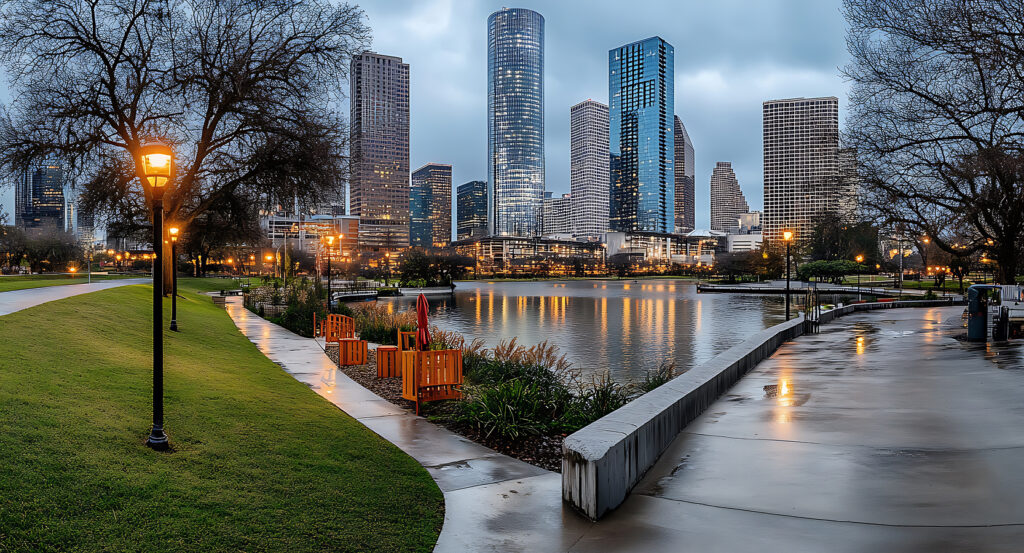
Why Sawyer Street matters.
Sawyer Street is an eclectic corridor where Washington Avenue Coalition / Memorial Park's industrial legacy, artistic reinvention, architectural heritage, and entrepreneurial spirit converge along one of Houston's most distinctive urban streets.
Running through Washington Avenue Coalition / Memorial Park between Downtown and Rice Military, the corridor connects historic warehouse districts, creative campuses, commercial streets, and restored industrial buildings that collectively demonstrate Houston's transformation from a manufacturing powerhouse into a nationally recognized center for art and design. Brick warehouses, steel-framed industrial structures, contemporary studios, and adaptive commercial spaces preserve the physical structure established during the city's principal era of industrial expansion. Continued reinvestment has strengthened the corridor without erasing the architectural style that defines its historic character. The result is an experience defined by creative energy, industrial authenticity, and one of Houston's most compelling corridors.
What defines Sawyer Street.
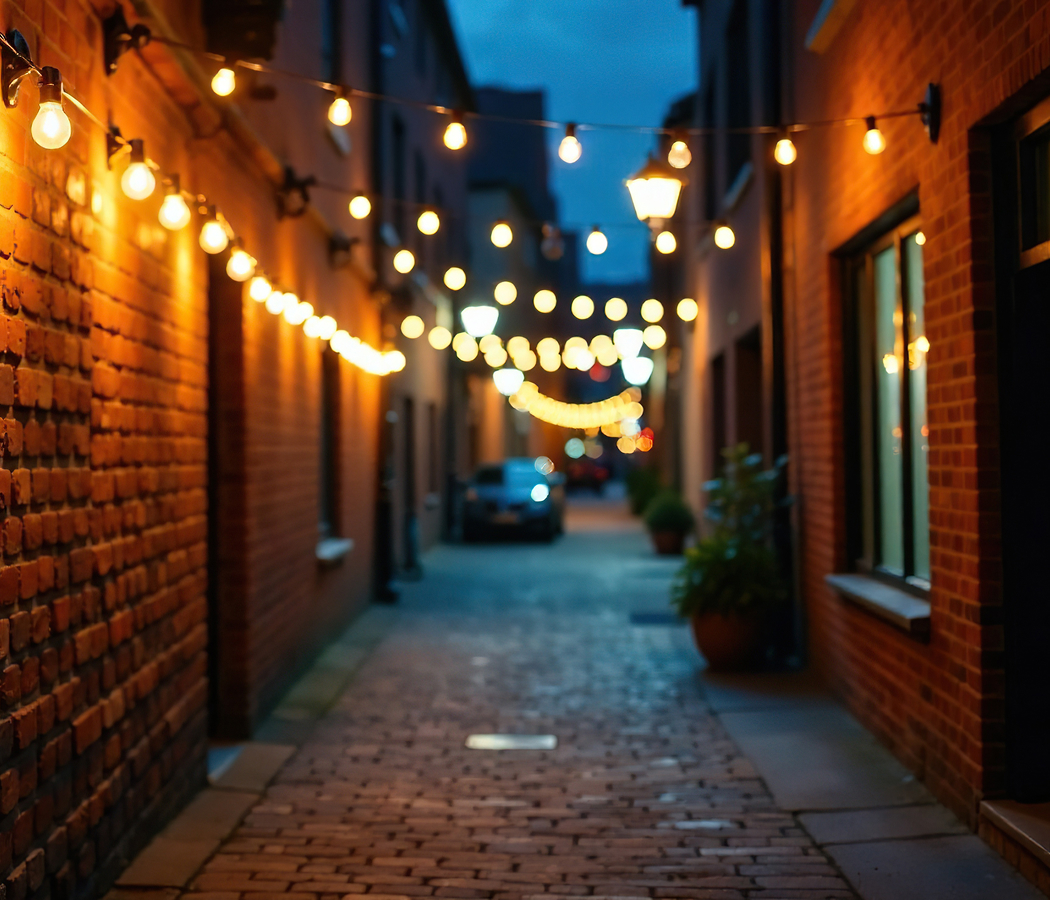
Sawyer Street is best known for extending through Houston's historic warehouse district, where industrial development accelerated during the early twentieth century as rail-served manufacturers, wholesale distributors, cotton merchants, and freight companies expanded west of downtown alongside the Missouri, Kansas and Texas Railway and the Houston Belt & Terminal Railway. The corridor developed through a substantial inventory of brick warehouses, reinforced-concrete commercial buildings, heavy timber industrial structures, and loading facilities whose engineering reflected Houston's emergence as one of the Gulf Coast's leading commercial centers. Much of the surrounding built environment dates from the 1910s through the 1950s, preserving notable examples of Commercial Style, Industrial Modern, Art Deco, and restrained Mid-Century Modern architecture that document successive phases of manufacturing and wholesale commerce. The district's later adaptive reuse retained original masonry façades, exposed timber framing, steel industrial windows, and freight-oriented building layouts while accommodating galleries, studios, workshops, and creative businesses within historic structures. Collectively, the corridor's railroad heritage, industrial architecture, engineering history, commercial evolution, and architectural preservation establish Sawyer Street as one of Houston's defining historic corridors.
Along the corridor, Sawyer Yards occupies a campus of restored warehouse buildings that collectively support hundreds of independent artists, making it among the largest working artist communities in the United States while preserving the industrial architecture that defines Sawyer Street. That concentration of creative enterprise extends to Winter Street Studios, where expansive open-floor warehouse interiors, exposed structural systems, and abundant north-light windows continue serving artists within buildings originally designed for industrial production and storage. Nearby Silver Street Studios further reinforces the corridor's architectural continuity by adapting another historic warehouse into professional studios and exhibition space while retaining its original brick construction, heavy timber structure, and industrial proportions. Together, these restored warehouse campuses, preserved industrial buildings, and thriving artist communities demonstrate how Sawyer Street evolved from a center of manufacturing into a corridor where historic architecture continues supporting Houston's contemporary creative economy.
How Sawyer Street fits.
Sawyer Street works as an exploration of Houston's creative industries, public landscapes, and architectural heritage.
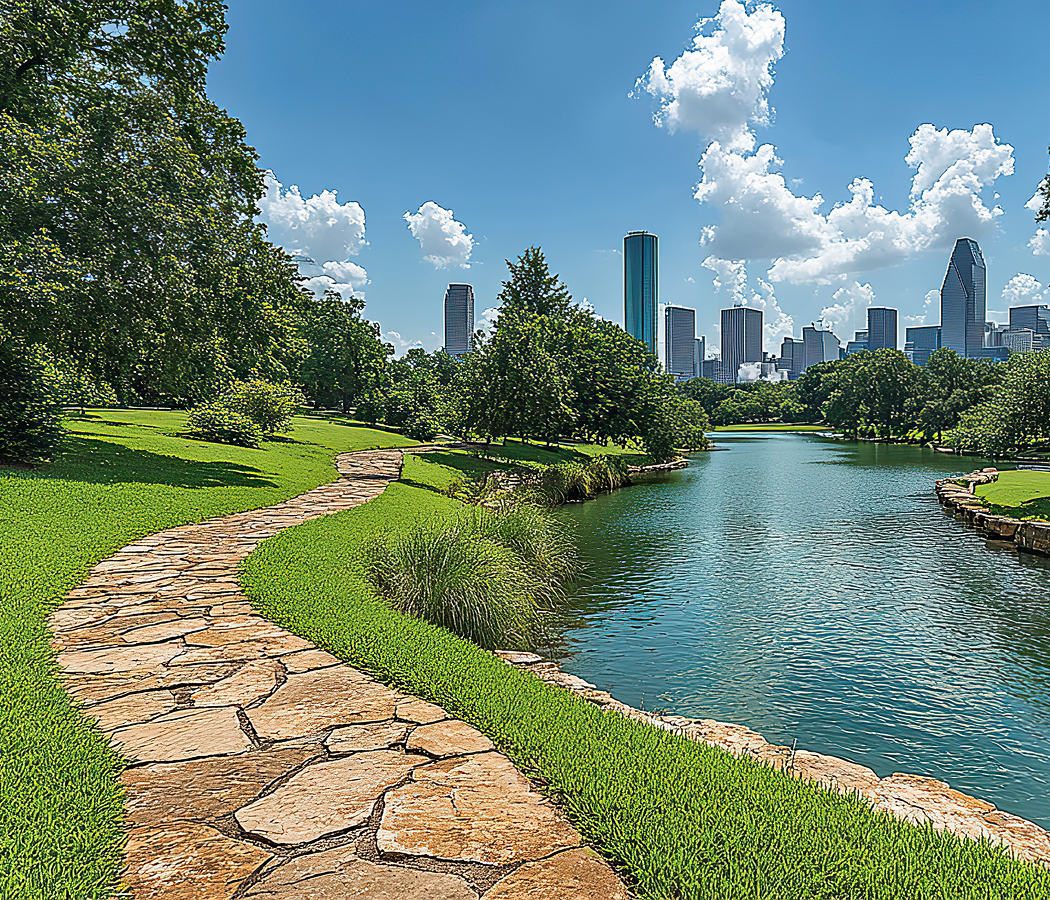
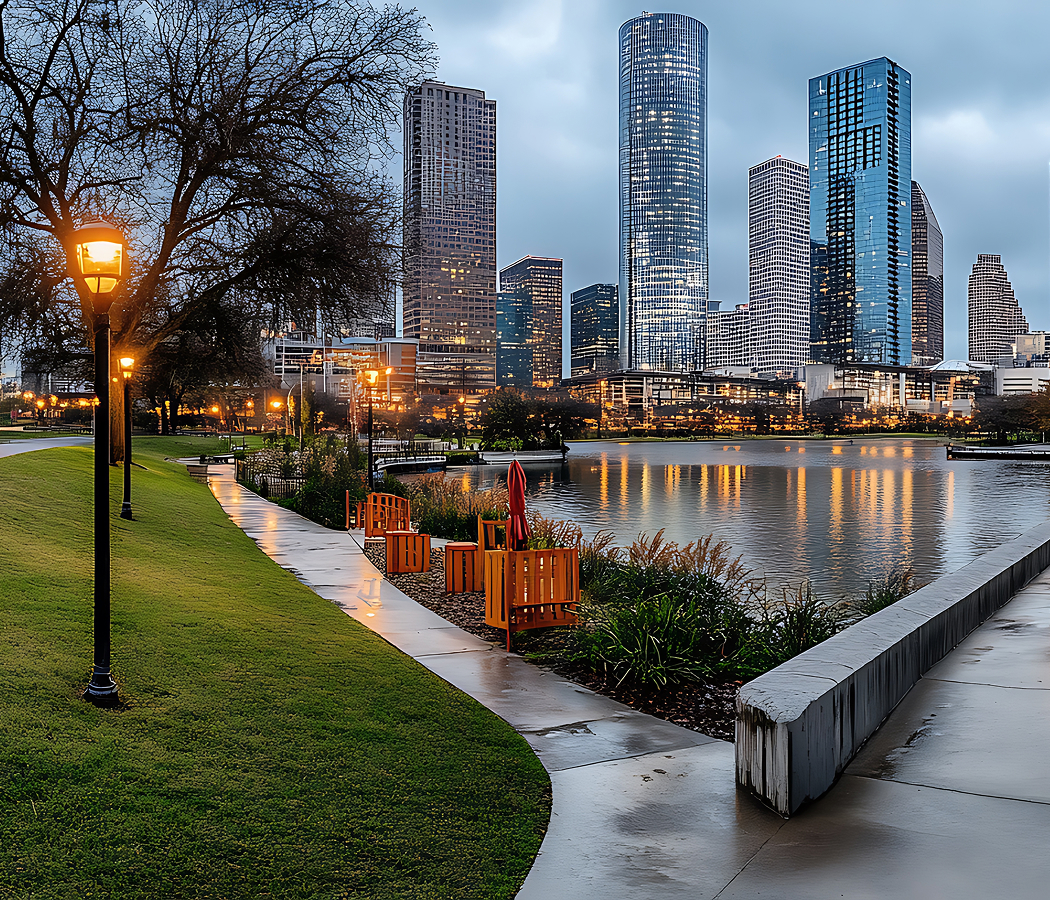
Begin at Art Car Museum, where inventive vehicle-based artworks introduce Houston's longstanding embrace of experimental artistic expression through one of the city's most distinctive cultural institutions. Continue to Buffalo Bayou Park, where restored riparian landscapes, public art, and skyline viewpoints broaden the experience while revealing the natural setting that shaped Houston's early commercial development. Conclude at Bayou Bend Collection and Gardens, where American decorative arts, historic architecture, and formal gardens provide the historical payoff by connecting the surrounding district with Houston's broader architectural and cultural legacy. The progression moves naturally from contemporary creativity through Houston's defining landscape before culminating in one of the city's finest historic house museums.
Where your story begins.
Foresyte Travel reveals places that feel extraordinary long before you arrive.
Enjoy editorial crafted for luxury travelers.
Foresyte may earn a commission when you book.