Why you should experience Tampa Marriott Water Street in Tampa, Florida.
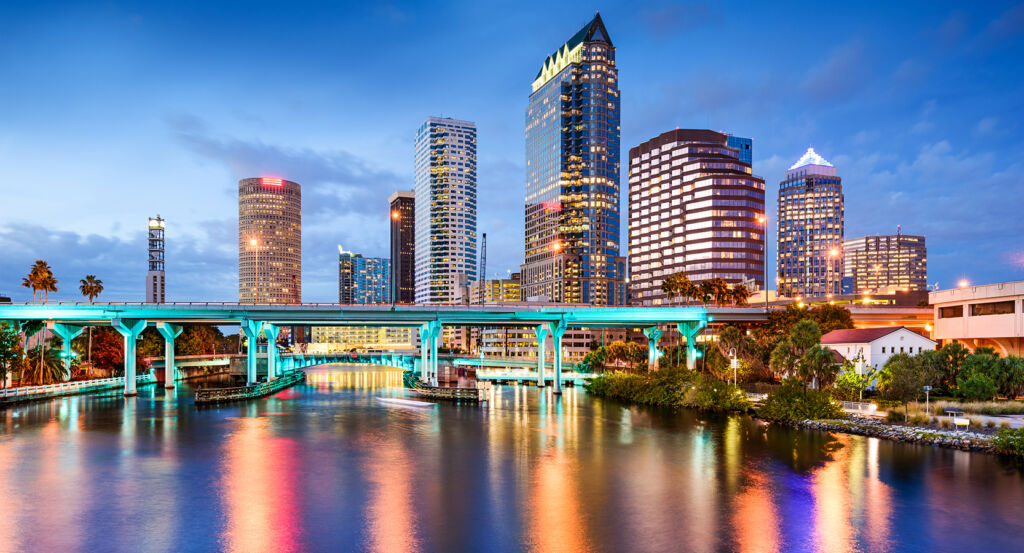
Tampa Marriott Water Street is a waterfront anchor where scale, anticipation, and the rhythm of a city in motion shape an experience that feels forward-leaning, expansive, and deeply attuned to both place and pace.
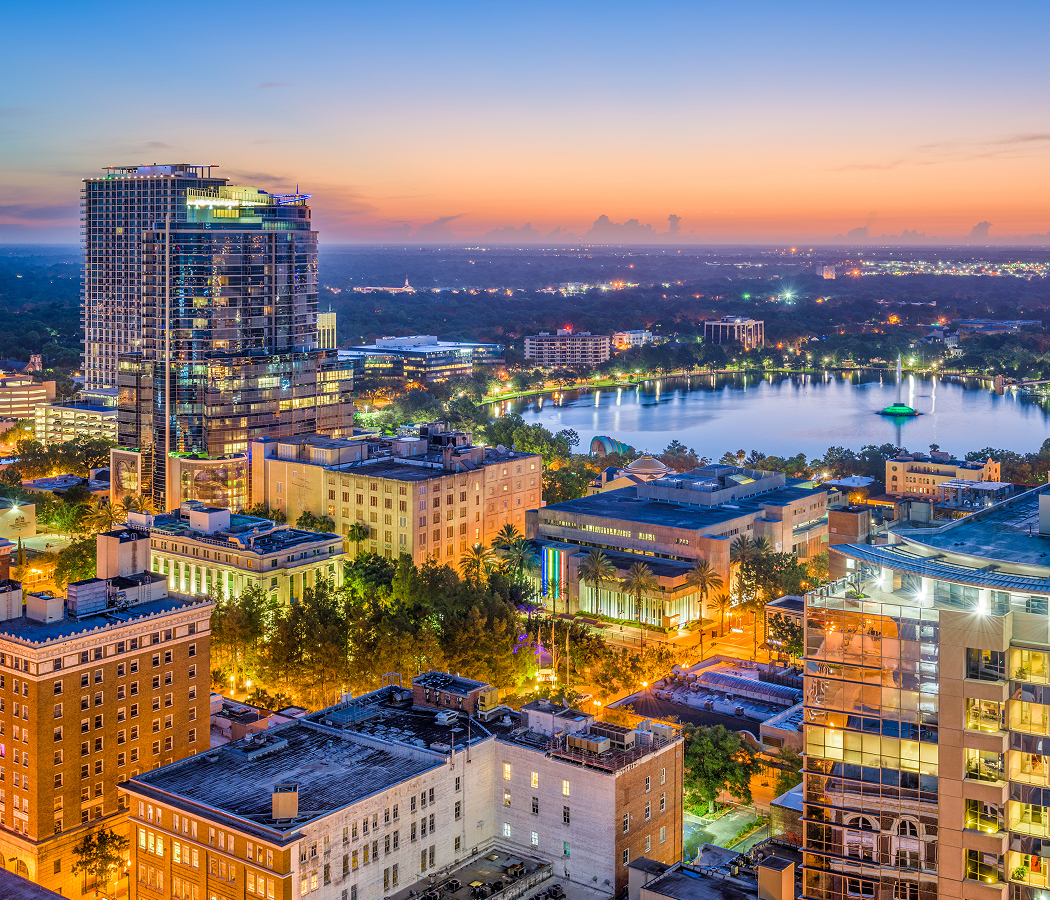
Here, the moment you arrive, you sense a shift in tempo, not from busy to quiet, but from everyday friction to focused presence. The hotel sits at the heart of the Water Street district, where river, bay, and urban life converge, and that positioning becomes part of your first impression. You disembark into light that feels broader, air that feels open, and sightlines that move outward toward horizon. There is an almost architectural breath in the space, an intentional expansion that invites you to arrive fully before you plan or perform anything. Public spaces carry this sense of proportion and clarity. The lobby unfolds like a wide room meant for circulation and pause alike, with sightlines that read toward water and sky. Materials feel anchored, stone, wood, and metal in balanced tension, and finishes are composed. You feel horizontally connected rather than vertically compressed, as though the building's logic is to welcome movement rather than interrupt it. Guest rooms amplify this orientation toward space and pause. They are generous without being excessive, arranged to support rest, work, and quiet observation in equal measure. Beds feel substantial and designed for restorative sleep, not just aesthetic comfort. Floor-to-ceiling windows frame river, city, or bay views that shape the room's mood naturally throughout the day. Light becomes a participant. Interiors remain focused and restrained, letting proportion, horizon, and personal rhythm define experience. Bathrooms feel calm and composed, supporting routine. What defines Tampa Marriott Water Street is its capacity to steady perspective, a place where your surroundings shape your sense of time.
What you should know about Tampa Marriott Water Street.
Tampa Marriott Water Street quietly excels by offering a hospitality experience that feels structurally integrated with the city rather than appended to it, and that distinction becomes clearer the longer you stay.
Water Street itself is more than a district: it's a city-within-a-city in motion, a corridor of commercial life, civic activity, riverfront passage, and cultural convergence. Many hotels near such nodes try to mollify or mediate that energy. This property absorbs it. The hotel's design, in lobby layouts, circulation, sightlines, and service patterns, acknowledges movement and gives it form. Over time, this makes your days feel more coherent. Another less obvious strength is how the hotel manages temporal flow. Days here don't feel segmented into “arrival, explore, return, depart.” Instead, they take on a looped quality: outward momentum folds back into interior calm, which then feeds outward again. This makes long stays feel fluid rather than exhausting, and short ones feel complete rather than rushed. Service aligns with this flow. Interactions are poised and tuned to context. Staff anticipate without over-presenting, offering guidance rooted in lived patterns: when the riverwalk feels gentlest, how light shifts over the bay at certain hours, which café catches sun or shade midday. These subtle cues shape your experience more powerfully than any highlight list because they help you belong to the place. The hotel's amenities reinforce its integrated logic. Dining spaces feel connected to movement rather than insulated from it; fitness and wellness areas support routine without spectacle; common areas invite linger without pressure. Architecturally, the building resists narrative flourish in favor of clarity, a bold choice in a waterfront context that too often equates views with drama. Here, horizon and proportion are allowed to speak for themselves. Over time, guests often realize that the hotel's true luxury isn't indulgence or pageantry, it's perspective.
How to fold Tampa Marriott Water Street into your trip.
Tampa Marriott Water Street works best when you allow it to function as a central axis, shaping how you experience Tampa through cycles of movement, pause, and return.
Begin your mornings. Wake to filtered light through expansive windows, take a moment by the water if you're facing the bay, and let the day unfold before planning it. Step out into the riverwalk while the city still feels soft, the river shifting light before crowds gather. Return to the hotel for coffee, pause in a lounge space, or simply settle into view before moving again. This cadence, outward, inward, outward, alters how your nervous system processes travel. Days become arcs. Midday invites return and reset. After exploration, museums, galleries, waterfront paths, or street-level discoveries, coming back feels regenerative. Sit quietly, hydrate, or take a moment in wellness spaces before heading back out. This fold, outward exploration anchored by interior calm, becomes the defining pattern of stay. Afternoons can expand outward again. Walk, shop, explore neighborhoods, or stay close and let discovery come to you casually. Evenings arrive with natural closure. As light softens across water and city, begin with a crafted drink, linger over dinner without hurry, and let conversation unfold at its own pace. Returning to your room feels like completion. Over several nights, a sustained rhythm emerges: mornings anchored by light and prospect, afternoons balanced between movement and presence, evenings settling into repose. You stop trying to do Tampa all at once and begin experiencing it as a layered environment with nuance and continuity.
Where your story begins.
Foresyte Travel reveals places that feel extraordinary long before you arrive.
Experience premium editorial crafted for luxury travelers.