
Why you should experience The Fonda Theatre in Los Angeles, California.
The Fonda Theatre is a historic, music-first performance venue where architectural character, artist-forward programming, and crowd-to-stage intimacy converge, delivering an experience that feels electric, immediate, and deeply rooted in Los Angeles' live-music lineage.
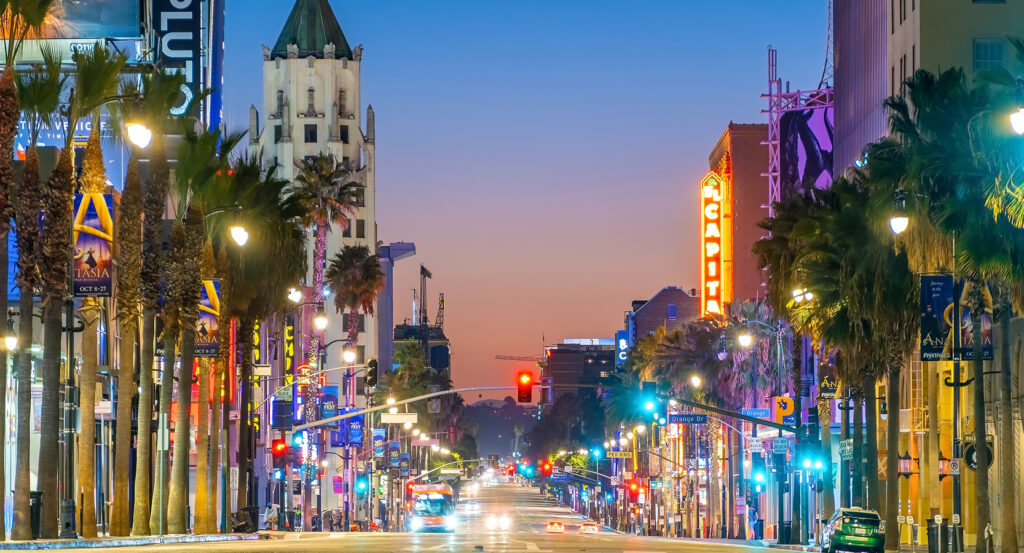
The moment you approach The Fonda, it announces itself with confidence. The iconic marquee glowing over Hollywood Boulevard doesn't feel ornamental; it feels earned. This is a building with weight. Inside, the theatre opens into a long, rectangular performance hall that prioritizes sightlines, sound, and proximity over grandeur for its own sake. The ceiling is high but not cavernous, the floor gently slopes toward the stage, and the layout pulls the crowd inward. You immediately understand that this is a room built for music, not distraction. The Fonda's interior balances vintage charm with functional restraint. Art Deco bones remain visible, grounding the space in history, while modern sound, lighting, and staging upgrades ensure performances feel current. The walls absorb sound without deadening it, allowing music to hit with clarity and force. There are no unnecessary visual flourishes competing for attention. Everything directs your focus forward. When the lights drop, the room disappears and the stage takes over. The stage itself is close, elevated just enough to command attention. Performers feel accessible, visible, and human. You see sweat, movement, expression. The energy exchange between artist and audience is immediate and continuous. This intimacy changes the behavior of the crowd. People lean in. Phones appear, but they don't dominate. Attention stays locked forward because the performance demands it. Sound quality is one of The Fonda's defining strengths. The system is tuned for balance and power, allowing vocals to cut cleanly, instruments to separate, and bass to hit. Whether it's indie rock, electronic, hip-hop, alternative, or genre-blending acts, the room adapts. Volume feels immersive. You leave energized, not fatigued. This sound discipline allows sets to breathe, building arcs. The crowd experience reinforces this immersion. The Fonda attracts music-first audiences: locals, fans who followed tours intentionally, industry professionals, creatives, and visitors who know what they're there to see. There is less casual drift here than at larger arenas. People arrive with purpose. Dress is expressive but secondary to engagement. You feel collective attention sharpen as the set unfolds. Moments land harder because the room is listening together. The bar program supports the night. Drinks are efficient, familiar, and easy to order between sets. There's no cocktail theater pulling attention away from the performance.
What you should know about The Fonda Theatre.
The Fonda's longevity comes from its disciplined refusal to sacrifice sound, sightlines, or artist connection in pursuit of scale or performance.
While many historic venues dilute their experience through excessive VIP segmentation or visual gimmicks, The Fonda protects the integrity of the room. The floor remains the resonant core. Balconies and upper areas exist, but they don't fracture attention or hierarchy. Everyone shares the same sonic and visual experience. This cohesion preserves the collective energy that defines great live shows. A lesser-known strength lies in the venue's programming philosophy. The Fonda consistently books artists whose presence benefits from intimacy. Acts here often sit at a career moment where connection matters deeply, either rising artists building momentum or established performers seeking rooms that allow nuance. This intentional booking keeps the room feeling alive. Another underappreciated element is how the venue manages pacing. Entry flow, opening acts, transitions, and set timing are orchestrated to maintain momentum. There is rarely dead air. The night unfolds with purpose, allowing anticipation to build. Sound checks and technical execution are handled with professionalism that minimizes disruption. The building's shape itself contributes to this effectiveness. The long, narrow room focuses sound forward, reducing echo and diffusion. This architectural advantage, paired with modern engineering, gives The Fonda an edge over many newer venues that prioritize aesthetics over acoustics. Staff continuity also matters. Many crew members, sound engineers, and floor staff are deeply familiar with the room, allowing problems to be anticipated. This operational maturity keeps shows running smoothly even when crowds swell. The venue's resistance to over-branding further protects its identity. The Fonda does not overwhelm guests with messaging or forced narratives. The building, the sound, and the artists speak for themselves. In a city obsessed with reinvention, The Fonda remains relevant by staying anchored in fundamentals. That steadiness is why artists respect it and audiences return.
How to fold The Fonda Theatre into your trip.
The Fonda Theatre works best when you let the show define the night rather than treating it as a backdrop, allowing attention and energy to center fully on the performance.
Arrive with time. Getting in early allows you to acclimate to the room, secure a good vantage point, and experience opening acts rather than rushing straight to the headliner. Position yourself based on how you want to feel the music, close for immersion, mid-floor for balanced sound, or slightly back for full-stage perspective. Order drinks before sets begin to minimize movement during performances. Once the music starts, commit. Let the phones stay down as much as possible. The room rewards presence. If you're with friends, allow moments of separation and reconnection between songs or sets. The Fonda excels as a standalone night or the anchor of an evening. Avoid stacking it with high-intensity clubs or noisy bars beforehand; arriving overstimulated dulls the impact. Instead, pair it with a relaxed dinner or a quiet pre-show drink. After the show, give yourself space to decompress. The energy lingers. Leaving immediately for something louder often flattens the memory. Walk the boulevard, talk through the set, let the night settle. The Fonda Theatre is not about performance for spectacle's sake. It is about the exchange between artist and audience in a room that respects sound, space, and attention. When folded into your night with intention and presence, it delivers one of Los Angeles' most authentic and emotionally resonant live-music experiences, one built on history, discipline, and the irreplaceable power of a crowd listening together.
Where your story begins.
Foresyte Travel reveals places that feel extraordinary long before you arrive.
Experience premium editorial crafted for luxury travelers.





































































































