Why you should experience The Inn at Penn, a Hilton Hotel in Philadelphia, Pennsylvania.
The Inn at Penn, a Hilton Hotel, is purposeful comfort distilled through urban logic and academic connectivity, a hotel that doesn't chase theatrical luxury or superficial flair but instead provides a grounded, reliable, and remarkably strategic base for experiencing Philadelphia with coherence and ease.
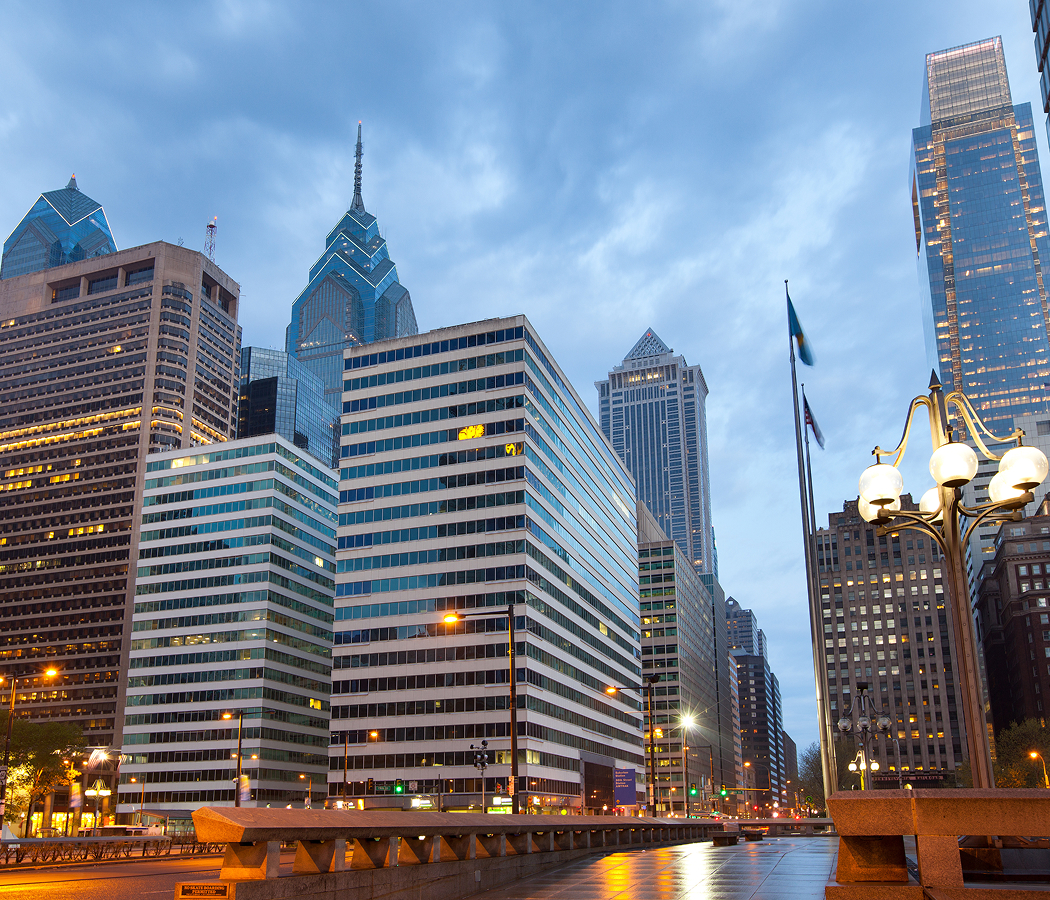
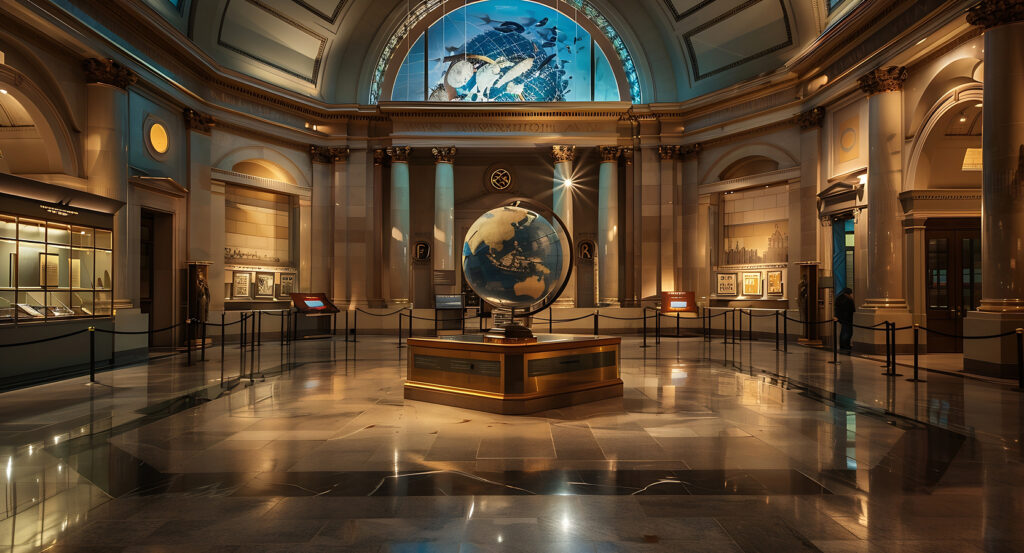
Situated just steps from the University of Pennsylvania campus and Drexel University, this hotel occupies one of the city's most active knowledge corridors, a place where daily life, professional rigor, innovation, and neighborhood energy intersect organically. Arrival feels immediate. The exterior signals presence and capacity, and stepping inside the lobby you sense a space designed to move with you. Interiors strike a balance between modern practicality and understated sophistication: polished yet comfortable finishes, strategic lighting that supports clarity over drama, and materials selected for longevity and ease. Public spaces are organized with purpose. Sightlines are clear, circulation is intuitive, and areas flow into one another. There's a sense of calm efficiency, you don't have to figure out the space, it simply works. Guest rooms extend this logic into private space with comfort that feels consistent, thoughtful, and immediately livable. Layouts are generous and purposeful, allowing for restful sleep, relaxed work, and genuine decompression. Beds are deeply comfortable and supportive, designed for repeatability, the kind of comfort that matters after long days in the city. Lighting is layered and adaptable, supporting productivity during the day and tranquil rest at night. Windows frame University City and Center City context in an honest, unfiltered way, streets, tree-lined avenues, rooftops, anchoring you in place rather than isolating you from the city's pulse. Bathrooms are modern, clean-lined, and highly functional, prioritizing water pressure, lighting, and ease of use over decorative excess. Sound insulation performs well, allowing the room to remain calm even when the neighborhood hums with life. Service at The Inn at Penn is polished, pragmatic, and situationally aware. Interactions feel professional, courteous, and supportive. Staff engagement is rooted in response, they assist without intrusion, guide without pressure, and respect autonomy rather than imposing rhythm or agenda. Staying here feels like choosing function over flourish, orientation over ornamentation, and a hotel that supports your intention, whether work, study, exploration, or rest, rather than distracting from it, making The Inn at Penn a compelling home base for travelers who value coherence, access, and quiet competency.
What you should know about The Inn at Penn.
The Inn at Penn exists at the intersection of urban utility and academic context, and that reality shapes its character in ways that most hotels anchored in historic or touristic neighborhoods do not.
The University of Pennsylvania and Drexel University are not just nearby landmarks, they are engines of daily movement, intellectual exchange, and young professional energy. This adjacency does more than provide foot traffic; it influences the hotel's operational and spatial logic. The building was designed to support academic swapping, professional scheduling, cross-city transit, and highly variable guest needs, which is why public areas feel clear, structured, and purpose-driven. Architectural decisions emphasize logic and usability over narrative motif, circulation is intuitive, acoustics are calibrated for repeated use, and materials are selected for warmth and durability. Renovations and updates prioritize infrastructure, connectivity, and comfort systems that matter to extended stays, business travelers, and repeat visits: robust climate control, balanced lighting, reliable connectivity, and streamlined circulation patterns. This operational discipline is part of the hotel's identity. The Inn at Penn doesn't wear its purpose on its sleeve; it embeds it into the bones of the experience. Staff culture mirrors this orientation. Service is best known for responsiveness and contextual awareness. Conversations feel grounded, recommendations feel locally informed, and assistance is offered with timing and intent. This creates a sense of trust and continuity that matters when you're staying multiple nights or moving between professional and personal obligations. In a landscape where many hotels rely on themed experiences or visual performance, The Inn at Penn stands apart by committing to competence as its brand value, proving that a hotel can be memorable not for what it shows you, but for how well it supports your presence in the city.
How to fold The Inn at Penn into your trip.
The Inn at Penn works as a strategic foothold in Philadelphia, a base from which the city's history, culture, and contemporary life become navigable.
Days here begin with positional advantage. Step outside, and University City unfolds with predictable rhythm: coffee shops opening, campus life in motion, research institutions cycling through schedules. The neighborhood feels structured because it is, academic calendars, transit corridors, and daily routine converge here more tightly than in typical tourist zones. This makes mornings easy to plan and afternoons efficient to execute. From this base, you can access the rest of Philadelphia organically. The historic district, Independence Hall, Liberty Bell, cobblestone streets, remains reachable via brief transit or Uber ride. The Benjamin Franklin Parkway and its museums, cultural institutions, and green spaces are not distant, and Center City's dining, performance, and nightlife corridors are readily accessible. Midday returns to the hotel are genuinely restorative. The environment's calm, unforced logic allows experiences to settle rather than stack, giving you a psychological reset before continuing outward. Afternoons can unfold through museum visits, academic talks, long lunches, or purposeful walking. Evenings at The Inn at Penn feel quietly grounding. Dining near Rittenhouse Square, heading to a performance in Center City, or meeting colleagues for a late conversation all resolve naturally back at the hotel. Over multiple nights, familiarity becomes an asset. You begin to anticipate rhythms, which streets feel liveliest at which hours, where quieter paths lead, and how University City's tempo changes over the course of a day. Extended stays reveal another layer of value: resonant continuity. You engage deeply with Philadelphia without burnout because the environment continuously gives back balance. By the time you depart, The Inn at Penn, a Hilton Hotel will not feel like just a place you slept, but like a steady home base that made the city feel coherent, accessible, and oriented to your intentions, offering structure, clarity, and a practical form of comfort in a metropolis defined by history, innovation, and motion.
Where your story begins.
Foresyte Travel reveals places that feel extraordinary long before you arrive.
Experience premium editorial crafted for luxury travelers.