
Why you should experience The Iroquois New York in New York, NY.
The Iroquois New York is where Manhattan softens, where the noise recedes just enough to hear your own pulse again, where the architecture feels like a quiet inhale between skyscrapers, and where old-world elegance settles over you like the memory of a city that once moved a little slower, a little gentler, a little more deliberately.
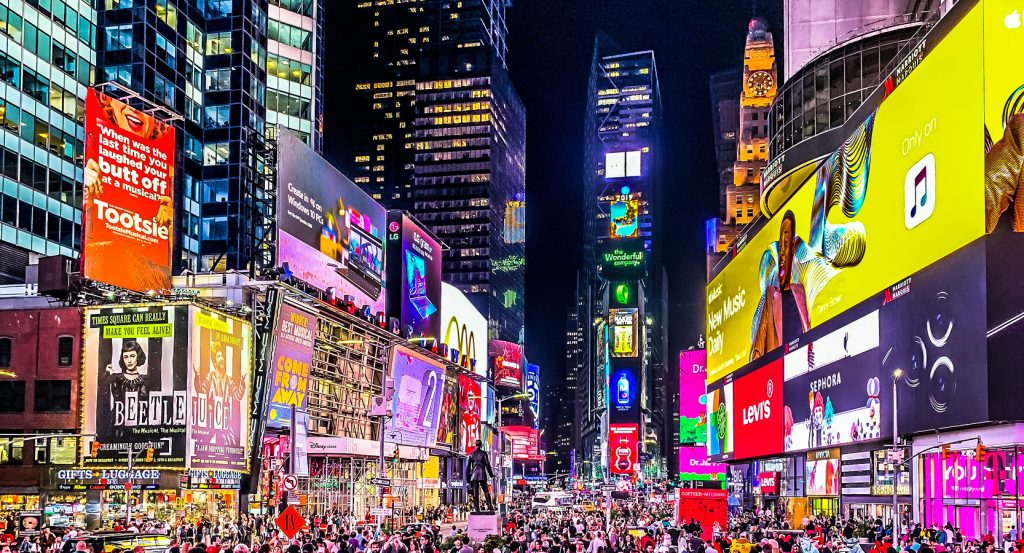
Tucked along West 44th Street between the bright theater marquees and the more intimate, tree-lined stretches of Midtown, the hotel rises with a sense of refined composure, carved stonework, warm lighting spilling from brass sconces, and an unmistakable glow that feels equal parts literary salon and private townhouse. Inside, the mood deepens: mahogany-rich tones, velvet textures brushed in amber light, marble floors catching the shine of chandeliers, and a hush that feels curated. Rooms unfold with an air of quiet confidence, sumptuous bedding, elegant crown molding, polished wood furnishings, and windows that frame Manhattan like a sepia portrait. The lighting is soft, flattering, cinematic; the air feels calm, tempered, subtly perfumed. It's the kind of calm that makes you forget Times Square is only steps away. In the evenings, the lobby bar flickers with gold, martinis glistening under low light, hushed conversations moving through the space like a gentle current, and a sense of sophistication that evokes the golden age of New York hospitality. The Iroquois isn't flashy, it isn't loud; it's timeless, dignified, and quietly magnetic, a sanctuary carved into the heart of the city.
What you should know about The Iroquois New York.
The Iroquois New York sits on one of the most architecturally and historically intriguing blocks in Midtown, a stretch shaped by early 20th-century urban planning choices, Broadway's expansion, and a hidden web of underground infrastructure that still influences the building's unique physical atmosphere.
The hotel's foundational stone rests on bedrock unusually close to the surface, giving the building rare structural stability that minimizes urban vibration, among the reasons it feels so eerily calm inside despite being within sight of Times Square. The original 1900s structure was constructed with hand-molded brick and reinforced steel, giving it a density that acts as a natural sound dampener; even at night, when Manhattan's pulse grows loudest, the hotel maintains a hush that feels almost sacred. The building's height and east-west orientation create a natural light corridor, allowing morning sunlight to drift through the narrow Midtown canyon and illuminate the facade in warm, honeyed tones, a phenomenon photographers once described as “44th Street's golden ribbon.” Wind currents shaped by the surrounding skyscrapers form a pocket of stillness at the hotel's entrance, which is why stepping inside feels like crossing an invisible threshold between chaos and composure. The interior design draws directly from the hotel's Prohibition-era past, brass details referencing vintage cocktail lounges, velvet textures echoing old theater boxes, and patterned carpeting inspired by historical illustrations preserved in early hotel documents. Even the scent profile, soft leather, polished wood, a faint citrus lift, was designed to mimic the atmospheric notes of Manhattan's private clubs from the 1930s. Guests often remark that the building feels “alive but calm,” unaware that nearly every detail, from window density to corridor width to lighting warmth, was chosen to evoke a psychological sense of grounding, the kind that urban designers quietly engineer into the world's most iconic historic hotels.
How to fold The Iroquois New York into your trip.
The Iroquois New York becomes the refined, quietly luminous anchor of your Manhattan stay, a place where your days unfold in a balance of old-world charm and modern, Midtown energy that deepens every moment of the journey.
Begin the morning by drawing open your curtains as early sunlight filters through the urban canyon in soft gold, brushing the tops of taxis and the shimmering windows of nearby high-rises. Let breakfast be slow and elegant, fresh pastries, rich coffee, soft morning light spilling over linen. Step outside and you're already in the heart of Manhattan: wander toward Bryant Park while the city is still gently stirring, feeling the contrast between leafy quiet and the first whispers of Midtown's tempo. Spend late morning exploring nearby icons, Grand Central Terminal with its celestial ceiling, the New York Public Library rising like a marble poem, Rockefeller Center's gleaming Art Deco geometry. Return to the hotel for a midday reset; settle into your room, savor the hush, let the city blur into soft background hum. In the afternoon, lose yourself in the Theater District, slip into a matinee show, or explore 5th Avenue's boutiques. As the sun begins to fall, return to the Iroquois to prepare for the evening, dim lights, elegant textures, the comforting ritual of transition. Take dinner at a restaurant nearby, or indulge in a cocktail at the hotel's bar where the lighting turns warm and amber-rich, creating an atmosphere that feels equal parts cinematic and intimate. Afterward, step into the neon-flecked magic of Times Square, not as someone overwhelmed by it, but as someone grounded by the knowledge that serenity waits only steps away. End the night back in your suite, watching the glow of the city ripple across your window as the noise softens into a low, nocturnal hum. By the time you check out, one truth becomes unmistakable: The Iroquois New York isn't merely a hotel, it's a refuge, a mood, a preserved fragment of old Manhattan elegance woven seamlessly into the heart of the modern city.
Where your story begins.
Foresyte Travel reveals places that feel extraordinary long before you arrive.
Experience premium editorial crafted for luxury travelers.







































































































