
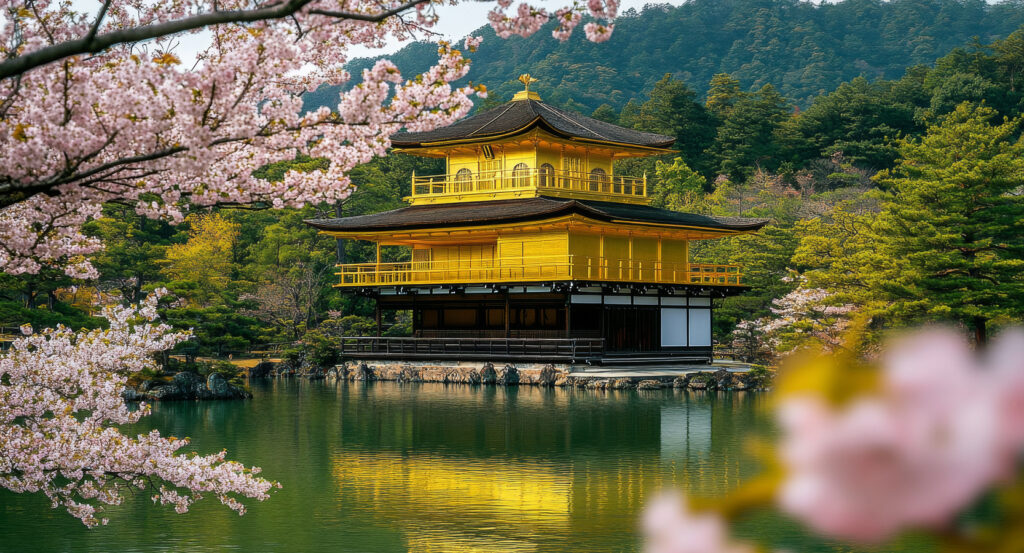
Why you should experience The Prince Kyoto Takaragaike, Autograph Collection in Kyoto, Japan.
The Prince Kyoto Takaragaike, Autograph Collection is Kyoto experienced with spatial ease, thoughtful restraint, and an urban rhythm that lets the city unfold around you without feeling rushed, overdesigned, or overwhelmed by tourism.
Located on the serene edge of Takaragaike Park, a broad expanse of water, tree lines, and quiet pathways, this hotel stands apart from Kyoto's dense historic core while still keeping the city's major districts comfortably accessible. Arrival here feels calm and intentional. You step off city streets into a lobby that communicates clarity of purpose: proportions are generous but not overwhelming, materials are warm without flamboyance, and circulation is direct rather than convoluted. There is a sense of measured welcome here, one that balances presence with quiet. Public areas are organized with an eye toward ease. Sightlines guide you steadily through the space, linking lounge, dining, and arrival zones with a rhythmic logic that feels purposeful. Natural light is used deliberately, and material choices, wood, stone, soft textiles, help absorb sound and soften presence, creating an atmosphere of composed calm. Guest rooms at The Prince Kyoto Takaragaike extend this character of spatial intelligence into private domain. Rooms are generous by Kyoto standards, arranged to support rest, routine, and real inhabitation. Beds are comfortable and designed for genuine restorative sleep after long days walking gardens, shrines, or Kyoto's historic museums. Windows frame views of Takaragaike Park, distant hills, or calm residential streets, rooting the room in place rather than isolating you from the living city. Furniture is minimal yet purposeful, desks sized for actual work, seating that invites lingering rather than posing, and thoughtful storage that allows you to unpack fully rather than live out of luggage. Lighting is layered and soft, calibrated to support smooth transitions from morning energy to evening ease. Bathrooms are well sized and quietly elegant, emphasizing usability, clear circulation, and comfort over statement. Showers are reliable, finishes feel reassuring under repeated use, and spatial arrangements support ease. Dining and shared spaces at The Prince Kyoto Takaragaike reinforce the hotel's character as an anchor of clarity. Meal venues balance refined technique with seasonal sourcing, presenting cuisine that feels rooted in Kyoto's culinary tradition. Breakfast unfolds in a composed environment that supports planning. Lounges and common areas function like extensions of guest rooms, places to read, talk, plan, or simply sit with a view of the park and light. Service here is attentive. Interactions are guided by context and understanding. Staff offer recommendations with directness and local familiarity: the best time to visit lesser-known temples, quieter river paths, ideal routes to seasonal gardens, and how to experience Kyoto's layered districts.
What you should know about The Prince Kyoto Takaragaike.
The Prince Kyoto Takaragaike was designed around the principle that spacing, rhythm, and relational presence matter as much as proximity to landmarks, particularly in a city where beauty and crowd density often collide.
Rather than chasing historic mimicry or tourist zones, the hotel embraces Kyoto's spatial logic at a broader scale: landscape, horizon, distance, and everyday movement. Architects and designers prioritized horizontality, clear pathways, and visual calm. Public spaces were arranged as sequences rather than isolated moments, enabling transitions between arrival, rest, and engagement with the city that feel logical rather than abrupt. Materials were selected for tactile warmth and durability rather than theatrical statement: wood that absorbs sound, stone that grounds edges, and fabrics that soften movement without visual distraction. Guest rooms were designed with close observation of actual traveler behavior, early departures, midday returns, late-night planning, resulting in interiors that feel intuitive from the first night to the fifth. Fixtures, lighting control, and storage were integrated early rather than retrofitted around aesthetics, supporting everyday use rather than short-term occupancy. Lighting systems support circadian rhythm with layered indirect sources. Bathrooms were conceived as functional retreats, emphasizing ease of use, clear circulation, and comfort over visual flourish. Dining and lounge spaces were planned to support nourishment, pause, and social interaction. Operational culture reflects this architectural clarity. Staff training emphasizes situational awareness, local fluency, and responsiveness. Interactions feel grounded, helpful, and contextually meaningful: how Kyoto's seasons change light in specific temples, where crowds thin at certain times, which neighborhoods reward slow walking. Over time, the hotel has earned loyalty among travelers who return not for novelty or performance, but because the experience remains composed and reliably supportive under repeated use. In a landscape often divided between heritage dramatization and generic luxury, The Prince Kyoto Takaragaike stands apart for its balance: architecture and service calibrated to support actual travel life.
How to fold The Prince Kyoto Takaragaike into your trip.
The Prince Kyoto Takaragaike works best when you treat it as a base of rhythm, return, and measured presence.
Begin mornings early, stepping out into Takaragaike Park while the light is soft and paths are quiet. Use the hotel's proximity to the park and transit to pivot efficiently between Kyoto's districts, Gion, Higashiyama, Central Kyoto, and Arashiyama. Because the property sits within a greener, less congested district, returning midday feels restorative. Come back to rest, read, plan, or simply sit with park views before heading out again. Afternoons lend themselves to sustained exploration: shrine precincts, museum corridors, side streets, and smaller gardens reward movement free of urgency. Use staff recommendations to discover routes that feel personally meaningful. Evenings remain composed. Dine thoughtfully on seasonal cuisine, attend cultural events, or walk park trails as dusk softens into night. Returning late feels calm because the hotel's interior language absorbs energy. The Prince Kyoto Takaragaike pairs especially well with longer stays, repeat visits, work-leisure blends, and itineraries where presence matters as much as proximity. By the time you depart, Kyoto will feel less like a sequence of highlights and more like a lived environment, and the hotel will feel like the constant that made that understanding possible, not softened, not diluted, but intelligibly present. In a destination defined by layered history, nuanced rhythm, and everyday movement, The Prince Kyoto Takaragaike offers something quietly essential: clarity that supports being.
Where your story begins.
Foresyte Travel reveals places that feel extraordinary long before you arrive.
Experience premium editorial crafted for luxury travelers.

















































































































