
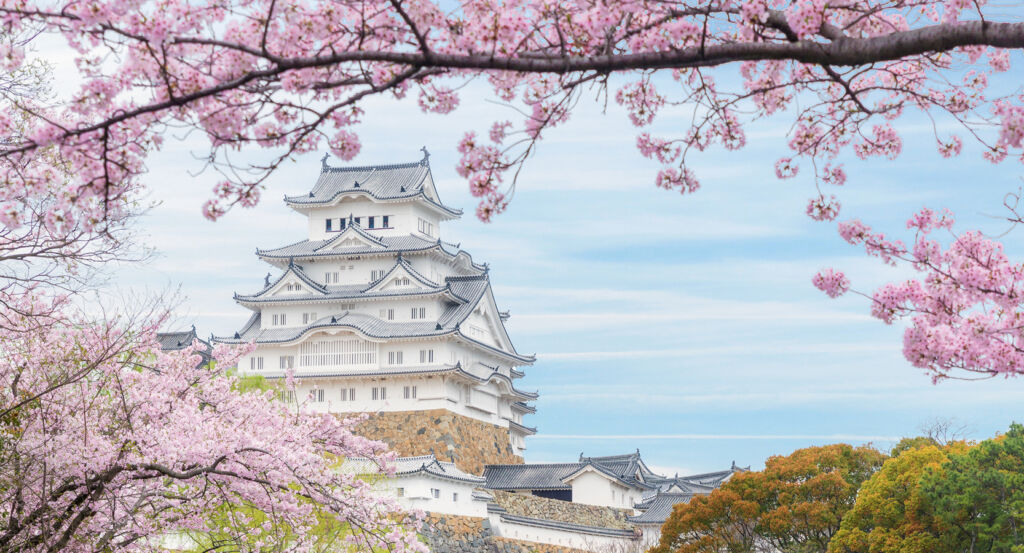
Why you should experience The Ritz-Carlton in Okinawa, Japan.
The Ritz-Carlton is a serene seaside sanctuary that makes Okinawa feel like a place of slow depth and spatial calm, where modern luxury unfolds through measured light, ocean proximity, and intentional stillness.
Perched on a bluff above the East China Sea near Nago, this hotel delivers an experience that is architectural more than theatrical. Arrival feels considered and quiet; you do not enter a lobby meant to impress, but one designed to absorb and decompress you. Circulation flows horizontally as much as vertically, encouraging you to slow your pace and orient your presence rather than rush toward a curated view. Public spaces are composed with deliberate restraint: wide views of horizon, materials that read as both natural and crafted, and daylight that anchors movement. Seating areas and lounges invite you to sit with your own thoughts, to watch wind and water change subtly across the day, and to inhabit the moment. Guest rooms extend this character into personal retreat. Layouts are generous and planful rather than sprawling; beds are positioned to maximize sightlines to ocean and sky; furnishings are refined, quiet, and essential. The interior language favors texture over contrast, depth over brightness, and a tactile softness that feels like repose. Windows and private terraces frame water, reef, and distant shore with composure, reinforcing a sense of place. Bathrooms are spa-caliber and functionally generous, designed for ritual-free routines that support recovery. Across the property, the experience feels measured, immersive, and quietly refined. The Ritz-Carlton is ideal for travelers who want Okinawa to feel expansive in stillness and profound through proximity, a destination encountered not as a series of checklist moments, but as a resonant field of presence.
What you should know about The Ritz-Carlton.
The Ritz-Carlton is best known for contextual serenity and elemental rhythm, a hospitality philosophy that treats the landscape, light, and proximity to sea as core components of the guest experience.
Unlike many resort properties that layer performance over location, this hotel imports its character from Okinawa's natural cadence, the way wind sketches patterns on water, the shift of light across limestone and green, the uncanny silence that follows a strong breeze. Arrival is calibrated to this rhythm. The procession from arrival court to lobby unfolds across graded thresholds that slow perception. Materials emphasize tactile resonance: limestone that cools underfoot, timber that weathered sunlight remembers, fabrics that mute sound. Acoustic behavior is a defining strength. Exterior sounds, wind in nearby foliage, distant surf, do not compete with interior quiet but integrate into it, creating a sound field that feels alive. Lighting strategy reinforces this environmental integration. Daylight enters low and broad, shaping spaces through gentle gradation. After sunset, artificial lighting remains warm and direct without visual drama, supporting calm rather than performance. Guest engagement with place is subtly encouraged. The hotel's orientation naturally leads you toward ocean edges, quiet garden paths, and outdoor retreats where the rhythm of nature unfolds. Service culture mirrors this sensibility: interactions are warm, precise, and understated, offering help that supports autonomy. Guidance is informed by local understanding rather than scripted hospitality choreographies, allowing the landscape to remain the primary context for your experience. Another understated strength of The Ritz-Carlton is how it reframes views. Rather than maximizing panorama for its own sake, the hotel curates sightlines that feel like compositions, a patch of reef at midday, the gradient of water at dawn, a subtle change in sky tone at dusk. Over multiple nights, these small shifts accumulate into a deeper, more nuanced sense of place. The resort does not rely on Okinawan tradition as décor or theme, nor does it cloak itself in overt cultural storytelling. Instead, it reflects a deeply Japanese value: awareness through restraint.
How to fold The Ritz-Carlton into your trip.
The Ritz-Carlton works as a temporal anchor, a place that slows your internal clock so that the island's rhythms can register fully.
Begin your mornings with quiet observation. Wake to soft light over water, step onto your terrace before breakfast, and allow the day to open from stillness. From here, activities such as snorkeling, cultural visits to nearby villages, and explorations of Okinawa's natural reserves can unfold. Midday returns to the hotel are restorative rather than interrupts, a swim in the infinity edge pool, a moment in a shaded garden alcove, or a slow lunch overlooking ocean textures that change with wind and tide. The hotel's architecture and siting support these pauses, making them feel intentional. Afternoon excursions can extend to Cape Manzamo, local markets, or heritage sites, but the pull back to the hotel remains gentle, not urgent. Evenings at The Ritz-Carlton are best approached with the same composure that defines its spaces. Dine under sky that softens into color transitions. Return to your suite. Let the night expand in quiet unfolds. Over longer stays, the hotel's influence becomes evident in how you inhabit time. Fukuoka and other urban destinations will feel pulsing; Okinawa here feels expansive. Movement slows but intention sharpens. Routes repeat with pleasure. Travelers whose schedules demand precision will find morning autonomy and evening restoration equally supportive. Leisure travelers gain the rare ability to feel both deeply present and gently detached, a condition that makes destinations like Okinawa feel less like places to see and more like places to understand. Anchoring your visit at The Ritz-Carlton allows the island to be encountered as a field of elemental engagement, not a sequence of postcards. This hotel does not compete with Okinawa's natural beauty; it is a view for it. In doing so, it creates a stay that feels quietly profound, deeply restorative, and unmistakably of place, where rest supports discovery, presence supports curiosity, and the island's rhythms reshape how you move through time.
Where your story begins.
Foresyte Travel reveals places that feel extraordinary long before you arrive.
Experience premium editorial crafted for luxury travelers.

















































































































