
Why you should experience Togetsutei in Kyoto, Japan.
Togetsutei is Kyoto lived through seasonal gravity, river silence, and inherited rhythm, a ryokan that does not attempt to interpret Arashiyama but simply continues it, allowing landscape, tradition, and time to remain in charge.
Set directly along the Katsura River at the base of Arashiyama's wooded slopes, Togetsutei occupies a position that feels inseparable from the district itself. This is not a hotel that arrived later to capitalize on scenery; it is part of the scenery's memory. Arrival unfolds. You cross into Arashiyama, pass the bridge, and the pace of the city drops away almost. The river slows everything. The mountains close in gently. Togetsutei does not announce itself with architecture or signage; it waits, steady and unhurried, as it always has. Public spaces feel composed but unforced. Tatami, wood, and open sightlines toward the water create an atmosphere that is calm. There is no attempt to modernize the experience into abstraction. Instead, the ryokan allows tradition to remain functional. You feel immediately that this is a place designed for repeated seasons, not singular stays. Guest rooms carry this same sense of continuity. Rooms are generous, especially those facing the river, where sliding doors open to views that change hour by hour and month by month. The Katsura River becomes a constant presence, not as performance but as rhythm. Tatami floors ground the space, encouraging barefoot movement and slower behavior. Futons or beds are prepared with care, firm and supportive, promoting sleep that feels deep and uninterrupted. Furniture is minimal and purposeful. Low tables, floor seating, and open layouts emphasize flexibility. Nothing competes with the view, and nothing distracts from rest. Lighting is soft and natural, following the day. Bathrooms vary by room type but consistently emphasize warmth, water quality, and ease of use. Bathing here feels restorative rather than indulgent, particularly when paired with the sound of the river outside. Dining at Togetsutei is deeply seasonal and tied to Kyoto's traditional culinary cadence. Meals arrive as composed progressions rather than performances, emphasizing balance, texture, and ingredient clarity. Eating here feels anchored to place, reinforcing the sense that you are participating in a cycle. Shared spaces throughout the ryokan function as quiet thresholds. Corridors, gardens, and observation points are designed to slow movement and encourage pause. There is space to sit, look, and do nothing, which becomes increasingly valuable in a district that fills quickly during daylight hours. Service at Togetsutei is attentive but restrained. Interactions feel practiced through time rather than training, shaped by continuity and repetition. Staff understand the rhythms of Arashiyama intuitively: when guests are tired, when silence matters, when guidance is useful and when it would interrupt. The ryokan attracts travelers who value immersion over novelty: repeat visitors to Kyoto, couples seeking stillness rather than romance-as-display, families returning for tradition, and anyone who wants to feel the city through seasons rather than schedules.
What you should know about Togetsutei.
Togetsutei's character is inseparable from Arashiyama's role as Kyoto's historical retreat zone, a place where aristocrats, poets, and monks withdrew to experience nature not as escape, but as recalibration.
The ryokan has long operated with an understanding that its greatest asset is not architecture or amenity, but continuity. Design choices throughout the property favor preservation over reinvention. Materials are maintained rather than replaced, allowing surfaces to age naturally and carry memory. Room layouts reflect traditional logic rather than optimization for modern tourism, emphasizing openness, flexibility, and proximity to the landscape. Windows are treated as primary elements, framing the river and mountains as living participants in the stay. Interiors avoid decorative excess, trusting that restraint will allow attention to move outward. Bathing culture here emphasizes recovery and rhythm. Water temperature, quiet, and timing matter more than scale. Dining spaces are organized to support attentiveness and calm, reinforcing the idea that meals are part of the day's flow. Operational culture mirrors this philosophy. Hospitality is rooted in repetition and familiarity. Staff anticipate needs through observation rather than inquiry, maintaining a sense of continuity that regular guests immediately recognize. Over time, Togetsutei has become less a destination and more a seasonal return point for travelers who value consistency and place memory. In a district where many accommodations chase novelty or modernization, Togetsutei stands apart by remaining faithful to the idea that not everything needs to evolve to remain relevant.
How to fold Togetsutei into your trip.
Togetsutei works best when you allow Arashiyama to set your pace rather than treating it as a single excursion, using the ryokan as a center of gravity rather than a scenic backdrop.
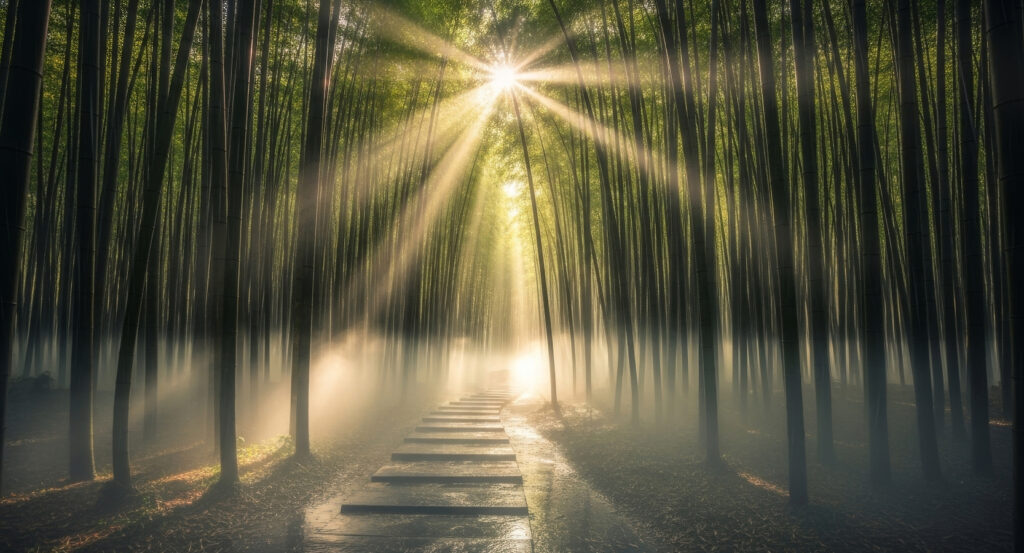
Begin mornings early, stepping out along the river before the bamboo grove fills and the bridge becomes crowded. Let the quiet shape your movement. Visit nearby temples and forest paths while the air is cool and the district still feels local. Because Togetsutei sits at the heart of Arashiyama, returning midday feels natural. Come back to rest, bathe, or simply sit with the river before heading out again. Afternoons are ideal for slow wandering: mountain paths, side streets, and lesser-visited shrines reward unhurried attention. Evenings belong to the river. Dine as light fades, walk as the day visitors depart, and listen as the district settles into near silence. Returning late feels grounded because the ryokan mirrors the neighborhood's descent into quiet. Togetsutei pairs especially well with longer stays, seasonal visits, and trips where recovery matters as much as exploration.
Where your story begins.
Foresyte Travel reveals places that feel extraordinary long before you arrive.
Experience premium editorial crafted for luxury travelers.

















































































































