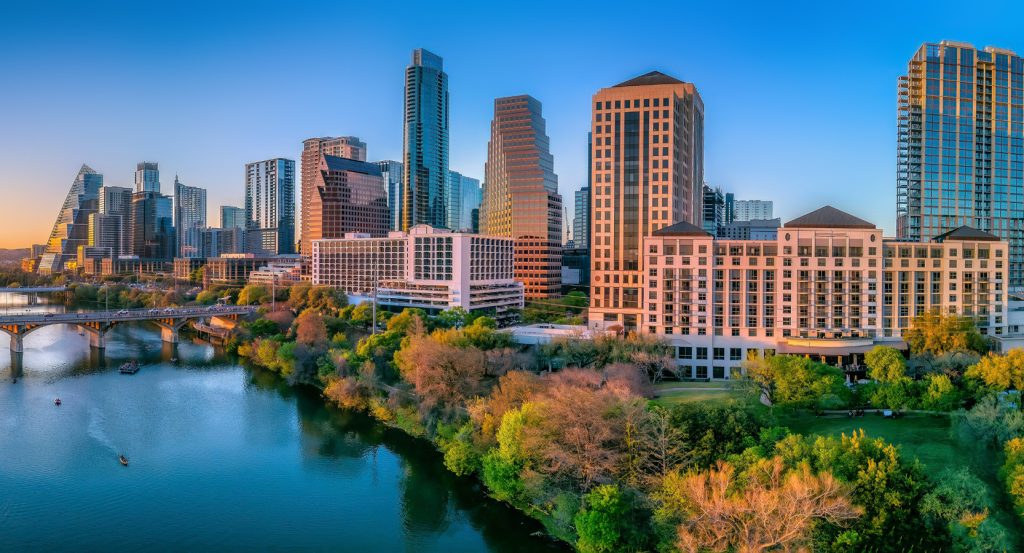
Why you should experience Walsh Tarlton Lane in Austin, Texas.
Walsh Tarlton Lane is a graceful corridor where Barton Hills' hillside landscapes, outdoor traditions, architectural character, and environmental stewardship create one of Austin's most memorable thoroughfares.
Running through Barton Hills between Zilker and Westlake, the roadway connects established residential neighborhoods, protected green spaces, trailheads, and cultural destinations that reflect Austin's enduring relationship with the Edwards Plateau. Each successive stretch reveals limestone bluffs, mature live oaks, shaded residential streets, panoramic hill country views, and carefully preserved natural landscapes that reinforce the corridor's distinctive identity. The defining moment arrives as Walsh Tarlton Lane demonstrates how conservation, neighborhood stewardship, and outdoor recreation continue shaping one of Southwest Austin's defining corridors. The result is an experience defined by scenic beauty, neighborhood refinement, and one of Barton Hills' most rewarding streets.
What you should know about Walsh Tarlton Lane.
Walsh Tarlton Lane is best known for connecting the hillside neighborhoods of Barton Hills, an area shaped by postwar residential development, the rugged topography of the Edwards Plateau, and direct access to Austin's most celebrated parklands. Residential construction introduced Ranch houses, Mid-Century Modern residences, Contemporary homes, native limestone walls, cedar fencing, exposed timber framing, landscaped setbacks, winding road alignments, and mature tree canopies that continue defining the corridor's architectural identity. The roadway follows terrain influenced by limestone escarpments while linking residential districts with recreational destinations, trail systems, and preserved natural landscapes surrounding Barton Creek and Zilker Metropolitan Park. Live oak, Ashe juniper, Texas mountain laurel, cedar elm, Mexican buckeye, agarita, and native grasses reinforce the corridor's relationship with the Edwards Plateau ecosystem while shaping its unmistakable landscape. Continued stewardship has preserved mature vegetation, strengthened pedestrian accessibility, enhanced neighborhood connectivity, and maintained Walsh Tarlton Lane as one of Barton Hills' defining scenic corridors. Collectively, the corridor's residential origins, environmental setting, architectural diversity, and sustained preservation established Walsh Tarlton Lane as one of Southwest Austin's most distinctive thoroughfares.
Adjacent to the corridor, the Wild Basin Wilderness Preserve, established in 1974, protects more than 227 acres of native habitat while supporting ecological research, environmental education, and wildlife conservation within the Balcones Canyonlands. Nearby, the Austin Central Library, opened in 2017, has earned international recognition through sustainable architecture, rooftop gardens, rainwater harvesting systems, and public gathering spaces that reflect Austin's contemporary design leadership. The nearby Lady Bird Johnson Wildflower Center, founded in 1982 by Lady Bird Johnson and Helen Hayes, preserves one of the world's leading collections of native Texas plants while advancing botanical research and conservation. Together, these conservation areas, architectural achievements, and botanical institutions demonstrate how Walsh Tarlton Lane reflects a corridor where environmental stewardship, education, and thoughtful design continue reinforcing one another.
How to fold Walsh Tarlton Lane into your trip.
Walsh Tarlton Lane works as an exploration of Austin's hill country landscapes, outdoor recreation, and environmental heritage.
Begin at Barton Springs Pool, where spring-fed waters, limestone surroundings, and generations of local tradition establish the natural character surrounding Walsh Tarlton Lane while introducing Austin's most celebrated outdoor gathering place. Continue to Zilker Botanical Garden, where themed collections, shaded pathways, and internationally inspired garden design deepen the experience before guiding the journey toward its historical conclusion. Conclude at Umlauf Sculpture Garden & Museum, where Charles Umlauf's sculptures and thoughtfully integrated landscapes provide the historical payoff by illustrating Austin's longstanding commitment to public art and cultural preservation. The progression moves naturally from Austin's defining natural landmark to cultivated landscapes before culminating in one of the city's most significant artistic institutions.
Where your story begins.
Foresyte Travel reveals places that feel extraordinary long before you arrive.
Experience premium editorial crafted for luxury travelers.