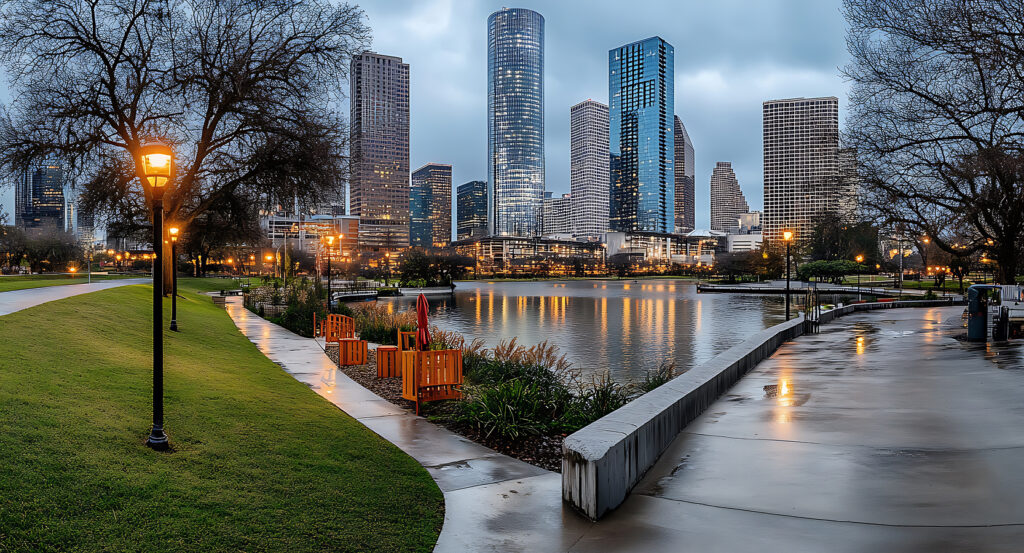
Why you should experience Waugh Drive in Houston, Texas.
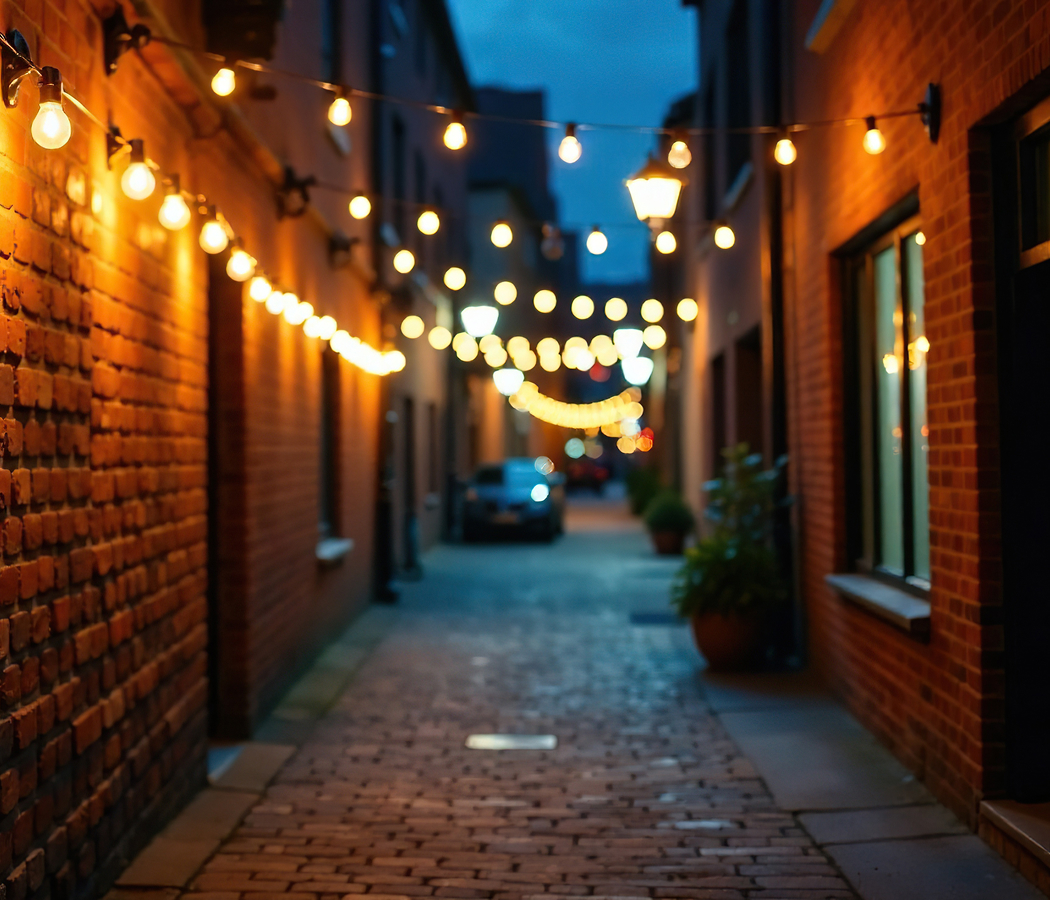
Waugh Drive is an animated corridor where Montrose's creative spirit, architectural heritage, neighborhood traditions, and enduring cultural character converge along one of Houston's defining north-south streets.
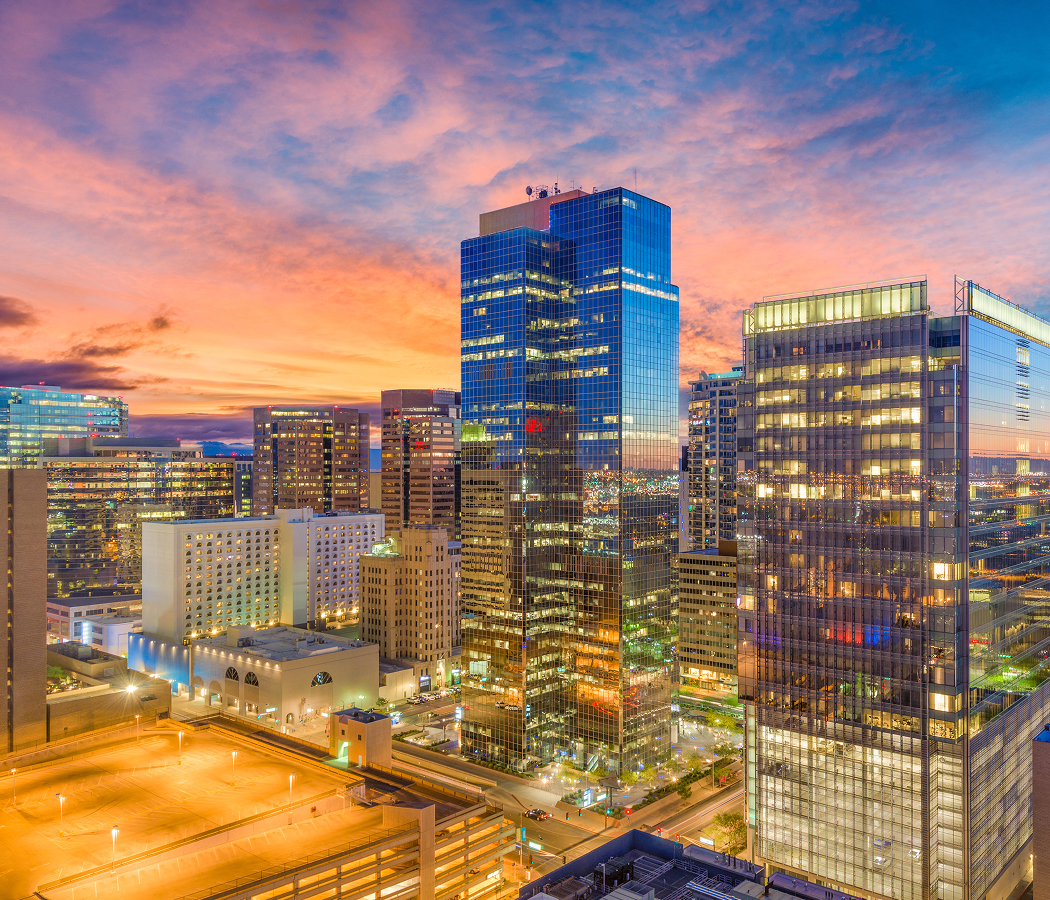
Running through Montrose between Midtown and Washington Corridor, the corridor connects historic residential districts, acclaimed cultural institutions, neighborhood parks, and established commercial destinations that collectively reflect Montrose's emergence as one of Houston's most influential urban communities. Mature live oaks, preserved early twentieth-century homes, pedestrian-friendly streets, and a diverse architectural landscape create an environment where artistic expression, civic engagement, and neighborhood history remain closely intertwined. Decades of thoughtful reinvestment have strengthened the corridor while preserving the eclectic character that distinguishes Montrose from every other part of Houston. The result is an experience defined by architectural richness, cultural continuity, and one of Montrose's most recognizable corridors.
What you should know about Waugh Drive.
Waugh Drive is best known for traversing Montrose, a neighborhood developed by the Westmoreland Company beginning in 1911, when carefully planned subdivisions introduced landscaped streets, deed restrictions, and substantial residences that attracted professionals, business leaders, and civic figures. The corridor matured alongside Houston's westward expansion as nearby neighborhoods accumulated distinguished examples of Craftsman, Prairie School, Colonial Revival, Spanish Colonial Revival, and Mid-Century Modern architecture documenting successive phases of residential development throughout the twentieth century. The surrounding district became nationally recognized for its concentration of independent galleries, artist studios, preservation organizations, locally owned businesses, and cultural institutions that collectively established Montrose as one of Texas' foremost creative communities. The corridor also reflects Montrose's longstanding importance within Houston's LGBTQ+ history through neighborhood organizations, advocacy groups, community gathering places, and decades of civic leadership that helped shape the city's cultural landscape. Collectively, the corridor's planned development, architectural diversity, cultural leadership, neighborhood continuity, and historical significance establish Waugh Drive as one of Houston's defining historic corridors.
The Buffalo Bayou watershed influenced early neighborhood expansion through floodplain topography, native riparian forests, and alluvial soils that guided subdivision planning across western Houston during the early twentieth century. The Montrose Management District, established in 2009, continues supporting streetscape enhancements, public art, mobility improvements, economic development, and neighborhood preservation that reinforce the area's architectural character and cultural vitality. Archaeological investigations throughout Houston's inner urban core have documented Indigenous occupation together with nineteenth-century settlement evidence that continues expanding scholarly understanding of long-term human activity along the Upper Texas Gulf Coast. Together, these environmental systems, civic organizations, and archaeological discoveries demonstrate how Waugh Drive reflects a corridor where neighborhood history, environmental history, and cultural stewardship remain closely interconnected.
How to fold Waugh Drive into your trip.
Waugh Drive works as an exploration of Montrose's artistic legacy, neighborhood character, and natural setting.
Begin at The Menil Collection, where internationally significant works of art and thoughtfully designed gallery spaces introduce the cultural vision that transformed Montrose into one of Houston's foremost artistic districts. Continue to Buffalo Bayou Park, where restored landscapes, public art, and scenic trails deepen the experience through one of Houston's signature urban green spaces. Conclude at Rothko Chapel, where Mark Rothko's grand paintings and the chapel's internationally recognized commitment to art, spirituality, and human rights provide the historical payoff through one of Houston's most influential cultural institutions. The progression moves naturally from world-class art to the city's defining landscape before culminating in a destination that unites artistic achievement with enduring cultural significance.
Where your story begins.
Foresyte Travel reveals places that feel extraordinary long before you arrive.
Experience premium editorial crafted for luxury travelers.