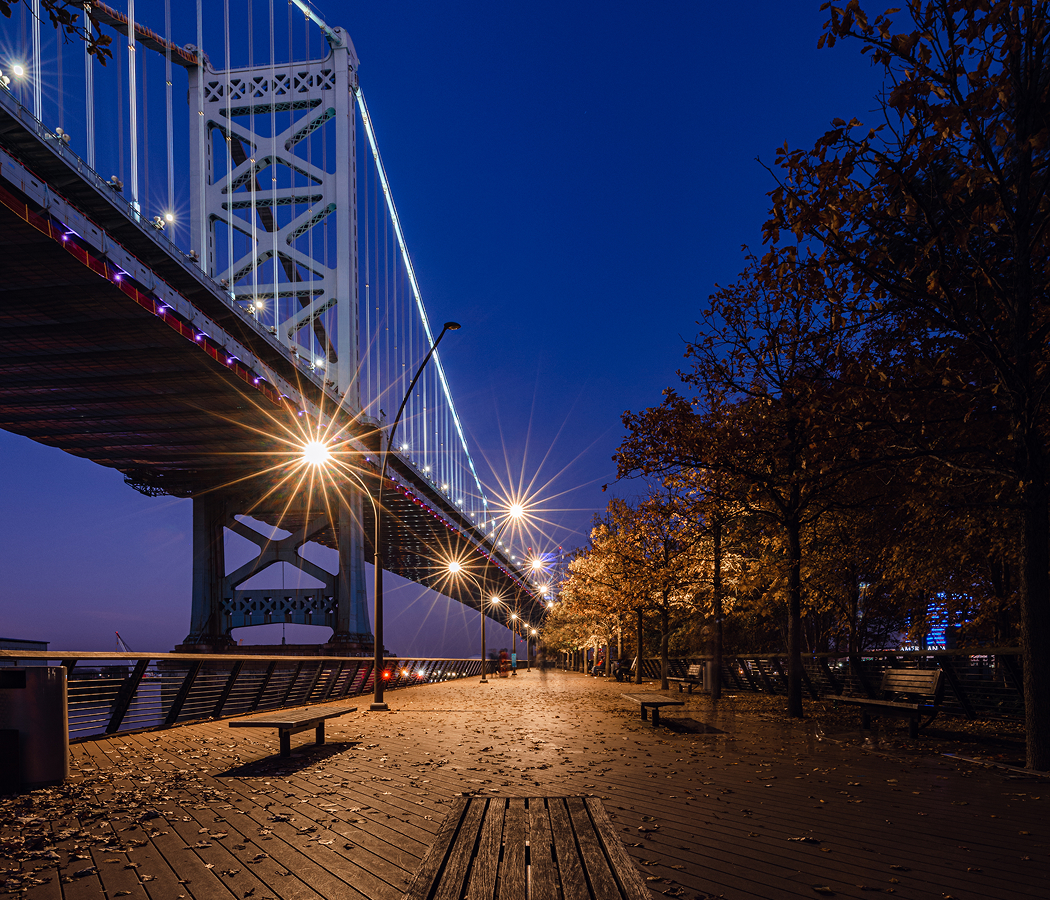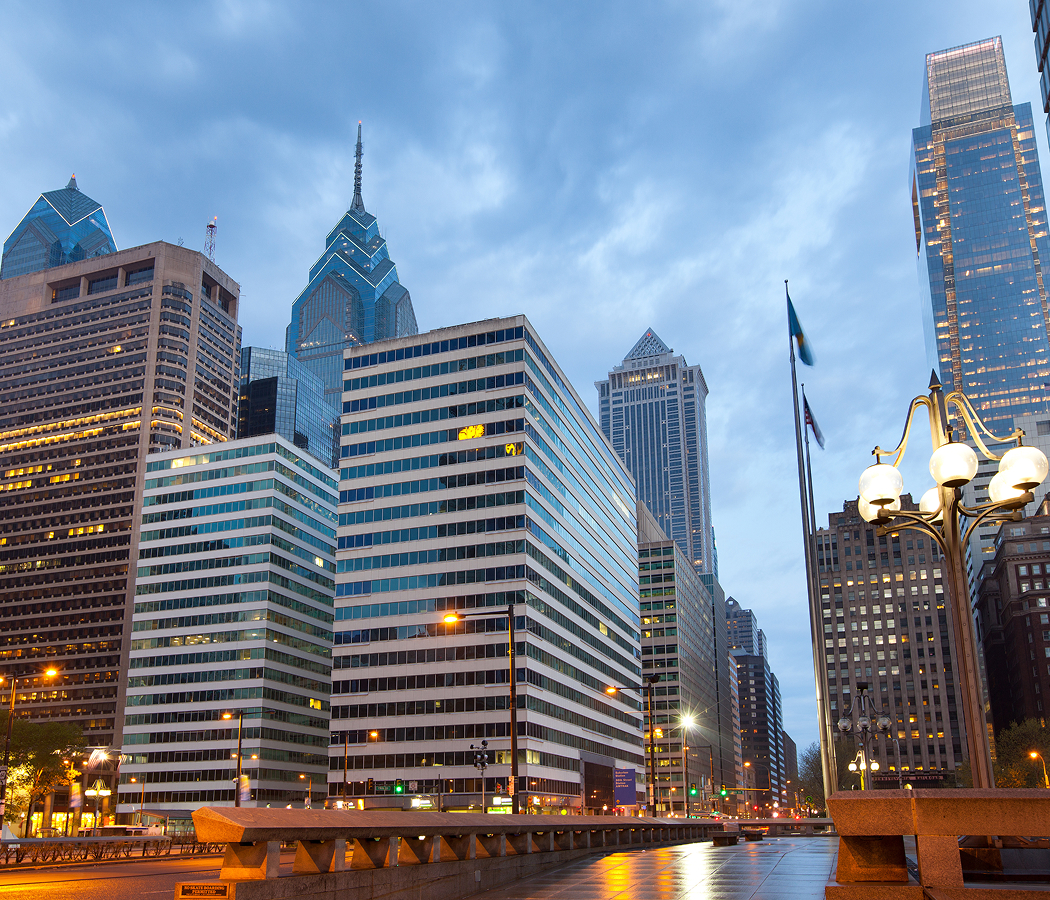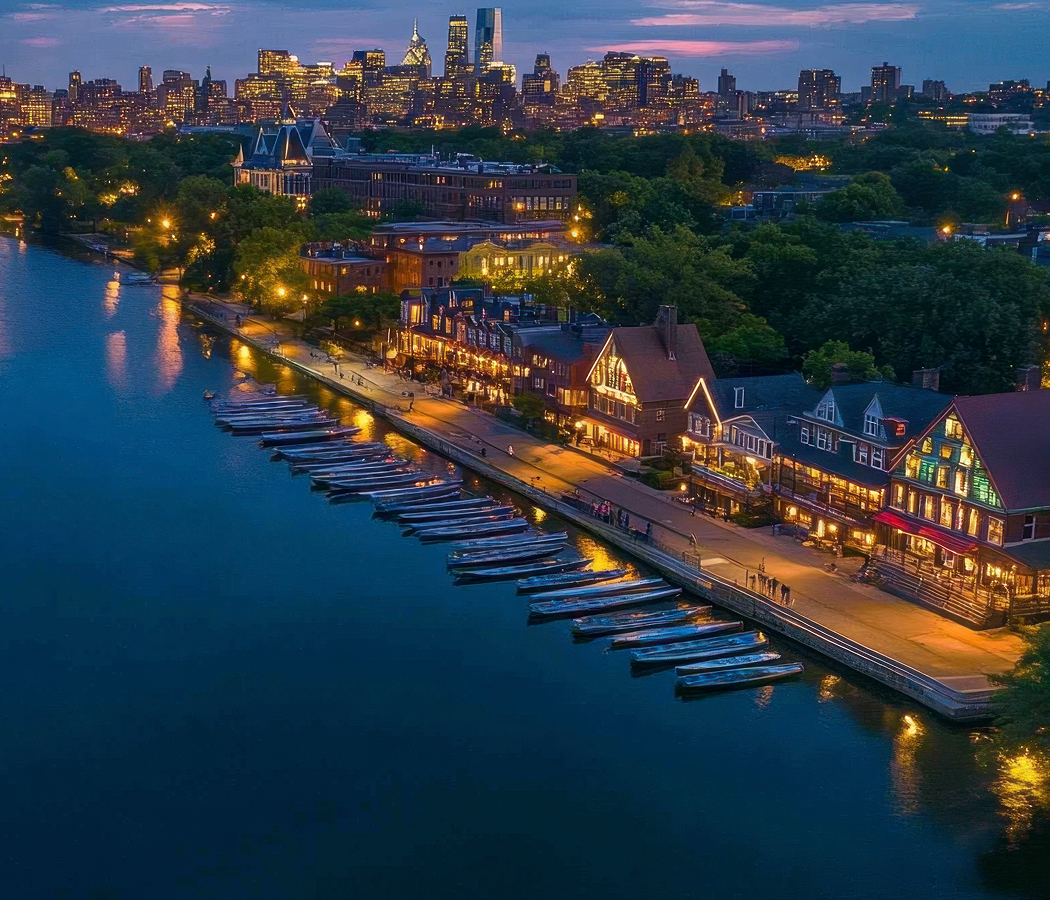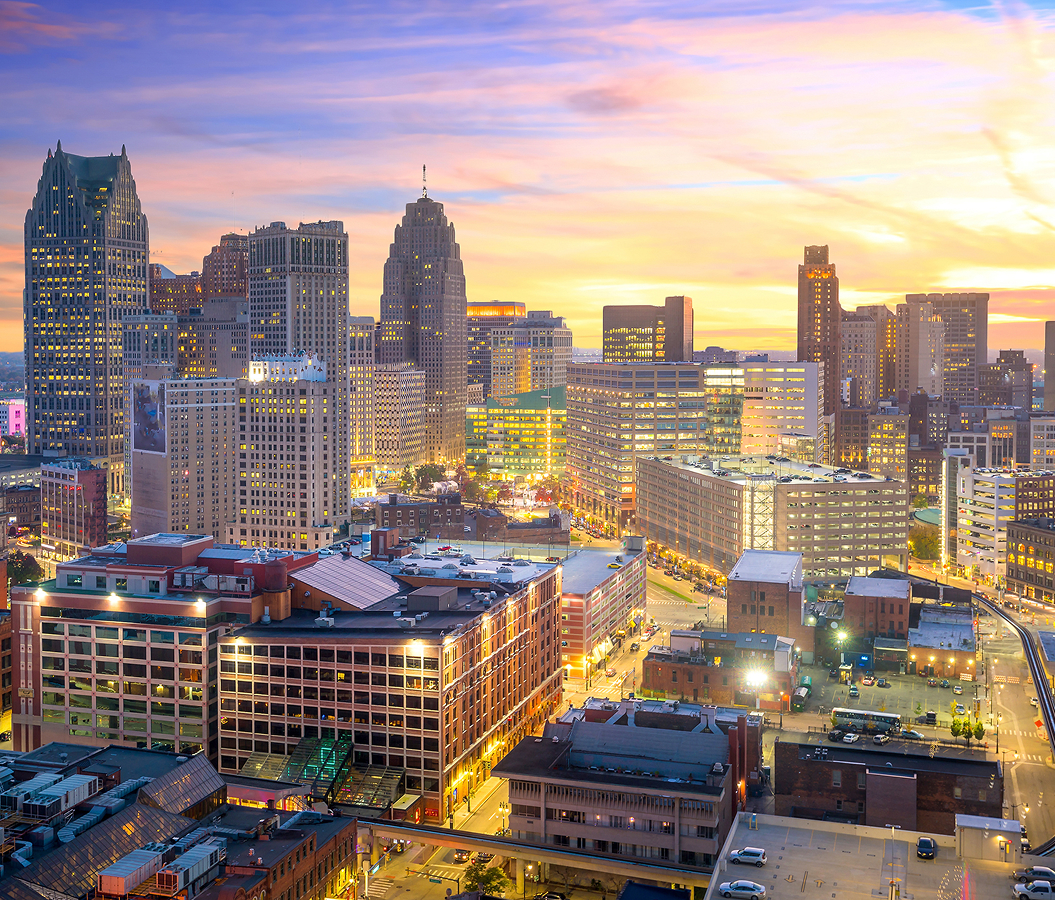
Why you should experience Willow Grove Avenue in Philadelphia, Pennsylvania.
Willow Grove Avenue is a graceful corridor where Chestnut Hill's architectural heritage, landscape tradition, institutional legacy, and garden-suburb character define one of Philadelphia's most distinguished residential streets.
Running through Chestnut Hill between Mount Airy and Wyndmoor, the corridor connects historic estates, stone residences, academic institutions, and preserved woodland landscapes that collectively reflect Philadelphia's long tradition of suburban planning and architectural excellence. Successive blocks reveal how turnpike travel, commuter rail service, estate subdivision, and skilled masonry shaped a remarkably cohesive streetscape while preserving the area's natural topography. Throughout the avenue, Wissahickon schist buildings, mature tree canopies, and carefully integrated landscapes express more than a century of residential craftsmanship. The result is an experience defined by refinement, continuity, and one of Philadelphia's most distinguished residential corridors.
What you should know about Willow Grove Avenue.
Willow Grove Avenue is best known for evolving from an early country road serving rural estates before substantial residential development accelerated during the late nineteenth and early twentieth centuries as Chestnut Hill emerged as one of Philadelphia's premier commuter communities. Expansion of the Chestnut Hill East Line, Chestnut Hill West Line, and nearby Germantown Avenue street railway connections strengthened access between Northwest Philadelphia and Center City, encouraging substantial residential construction throughout the surrounding district. Builders introduced distinguished collections of Colonial Revival, Tudor Revival, Craftsman, and Georgian Revival residences constructed with locally quarried Wissahickon schist, limestone trim, slate roofs, handcrafted timber detailing, leaded-glass windows, and substantial masonry chimneys that continue defining the corridor's architectural identity. Estate subdivision respected the area's rolling terrain through generous setbacks, curving lot layouts, mature landscape plantings, and preservation of existing woodland that established Willow Grove Avenue as one of Chestnut Hill's most cohesive residential streets. Together, these transportation improvements, residential planning principles, architectural traditions, estate development, and landscape stewardship established Willow Grove Avenue as one of Chestnut Hill's defining corridors.
Formation of the Chestnut Hill Residential Historic District, recognized on the National Register of Historic Places, reinforced long-term preservation of architecturally significant residences, historic streetscapes, stone walls, and landscape features across the surrounding neighborhood. Stewardship by the Chestnut Hill Conservancy has documented historic buildings, encouraged compatible preservation practices, and promoted protection of the area's architectural and cultural resources through research and advocacy. Continued investment by the City of Philadelphia has supported roadway reconstruction, pedestrian accessibility improvements, drainage modernization, and streetscape enhancements that preserve the corridor's historic character while accommodating contemporary neighborhood needs. Collectively, these preservation initiatives, civic investments, conservation efforts, and infrastructure improvements demonstrate how Willow Grove Avenue continues reflecting the architectural and landscape traditions that distinguish Chestnut Hill.
How to fold Willow Grove Avenue into your trip.
Willow Grove Avenue works as an exploration of Chestnut Hill's architectural heritage, woodland landscapes, and cultural traditions.
Begin at Morris Arboretum & Gardens, where nationally recognized botanical collections, historic garden design, and expansive woodland landscapes introduce the horticultural traditions that have shaped Chestnut Hill's distinctive setting while establishing an immersive beginning to the outing. Continue to Woodmere Art Museum, where exhibitions devoted to Philadelphia artists deepen appreciation for the region's creative legacy while complementing the surrounding residential architecture and landscaped streets. Conclude at Valley Green Inn, where a historic stone inn overlooking Wissahickon Creek provides the historical and scenic payoff through centuries of hospitality, enduring craftsmanship, and one of Philadelphia's most memorable natural settings. Together, the sequence moves from cultivated landscapes to regional artistic achievement before culminating in the Wissahickon Valley, revealing how Willow Grove Avenue captures the enduring relationship between architecture, landscape, and history in Northwest Philadelphia.
Where your story begins.
Foresyte Travel reveals places that feel extraordinary long before you arrive.
Experience premium editorial crafted for luxury travelers.